







Colombian mango conquers the world: The challenges and opportunities of its international expansion



by Francisco Seva Rivadulla, international agro-food journalist


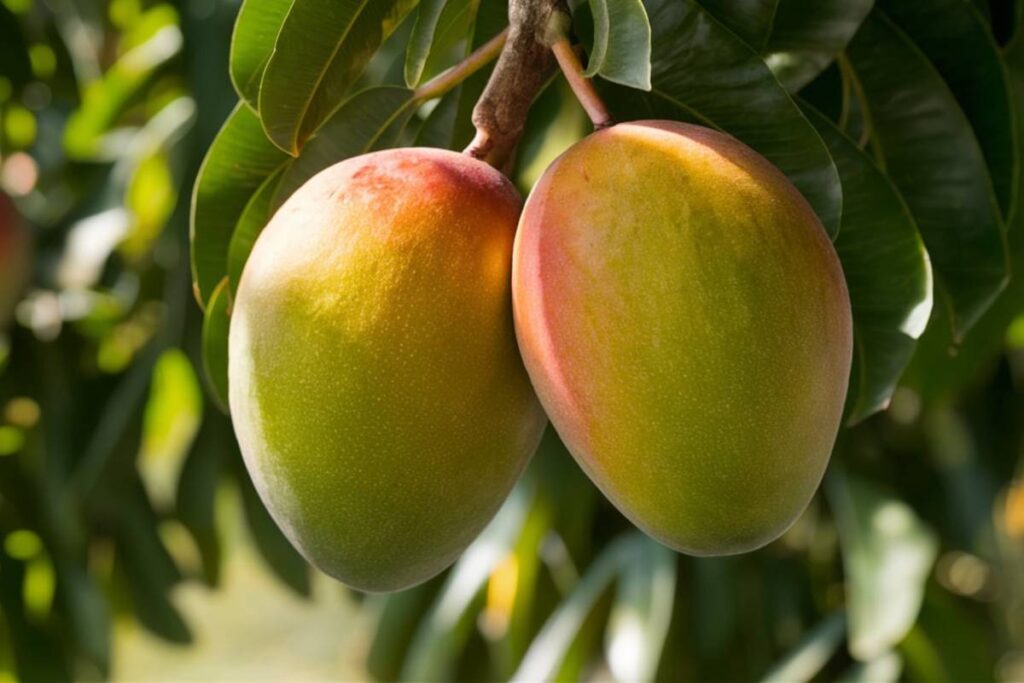
The international dimension of the mango in Colombia reflects a sector in full expansion, driven by productive growth and the strategic vision of entities like FEDEMANGO. Its commitment to developing a quality seal and the goal of 600,000 tons of exports by 2030 demonstrate an ambitious roadmap.
Colombian mango has been gaining prominence in international markets thanks to favorable agroclimatic conditions, a better production chain, and growing global demand for tropical fruits.
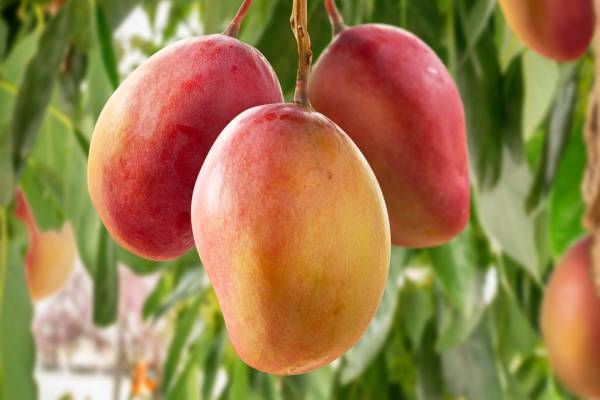
In the Latin American country, this fruit is not only part of the daily diet but has also become a strategic product within the agro-export sector.
Growing production drives Colombian mango exports
In recent years, mango production in Colombia has shown sustained growth, driven by the expansion of cultivated areas and agricultural mechanization.
The strengthening of producer associations, along with access to technical assistance, has allowed for improvements in both yields and fruit quality. This growth has been key to positioning Colombia as an emerging supplier capable of constantly responding to international demand, and the Federation of Mango Producers and Exporters of Colombia (FEDEMANGO) has played a fundamental role in this process.
The Managing Director of the organization, Gloria Isabel Morales, has played a prominent role in promoting the internationalization of Colombian mango. Her work has been key to opening new markets and positioning the product, especially in the United States, Canada, and Europe.
Likewise, FEDEMANGO is committed to creating a national quality seal that will standardize production, guarantee traceability, and strengthen international consumer confidence. For the industry body, this seal represents a key tool to differentiate Colombian mango in a highly competitive global environment.
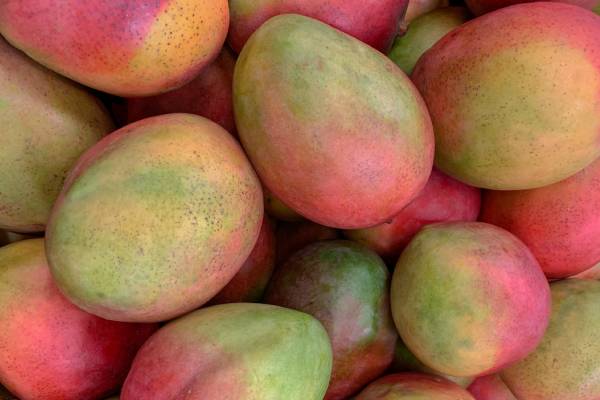
In terms of projections, the sector has set an ambitious goal: to reach 600,000 tons of Colombian mango exports by 2030, consolidating the country as a relevant player in the global trade of tropical fruits.
Competitive advantages and productive diversity
Colombia has diverse thermal zones or climates, allowing mango production throughout much of the year. This commercial model facilitates a continuous supply to international markets, putting regions such as Tolima, Cundinamarca, Magdalena, and the Caribbean Coast in the center of the country’s mango industry.
Colombia also has a strong product portfolio featuring varieties such as Tommy Atkins, Kent, and Keitt. These stand out for their resistance to transport and acceptance in demanding markets, strengthening the country's competitiveness in its main markets, including the United States, the European Union, and the Caribbean. In Europe, countries like Spain and the Netherlands function as logistical redistribution platforms to other markets.
In the long run, FEDEMANGO aims to access the Asian market. This goal requires stringent phytosanitary and quality standards, driving the modernization of production and logistics in the Latin American country.
Decisive impulse to internationalization
The internationalization of Colombian mango marks a decisive stage for the future of the country's agro-export sector.
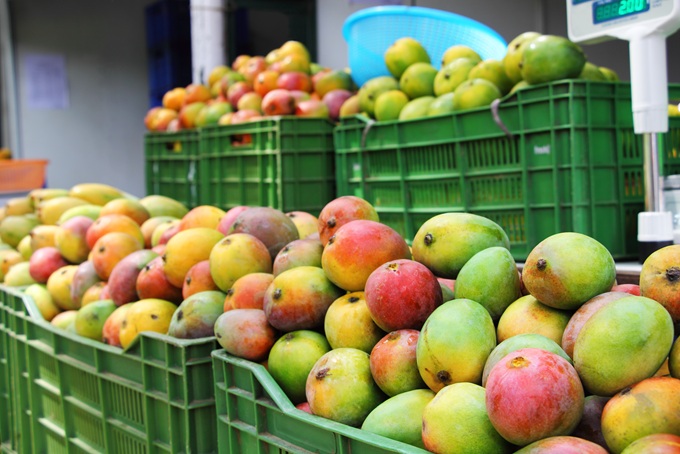
The work led by FEDEMANGO, along with the focus on strategic markets and the consolidation of quality standards, reflects a clear vision for global positioning.
In this context, Colombian mango ceases to be merely a product and becomes an ambassador for the country’s agricultural sector in international markets. Its ability to adapt to global demands, strengthen its identity of origin, and expand its presence in new destinations will be decisive in consolidating its competitiveness.
In this way, internationalization not only represents a commercial goal but also a development strategy that can profoundly transform the mango production chain in Colombia, generating greater value, more opportunities for producers, and a solid position in global trade in tropical fruits.
*All images are referential.
Related stories






Subscribe to our newsletter