Mexico formalizes Protected Geographical Indication standards for Michoacán avocados
 Add Fresh Fruit Portal to Google
Lee esta noticia en Español.
Mexico has formally established production, traceability, and geographic standards for the Protected Geographical Indication (PGI) of Michoacán avocados. The move seeks to strengthen differentiation in export markets, including the United States.
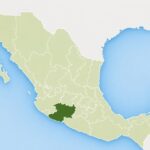
The Mexican Institute of Industrial Property (IMPI) published the resolution in Mexico’s Official Gazette, defining the product characteristics, production protocols, and the protected growing area associated with the Michoacán Avocado Belt, known as FAM.
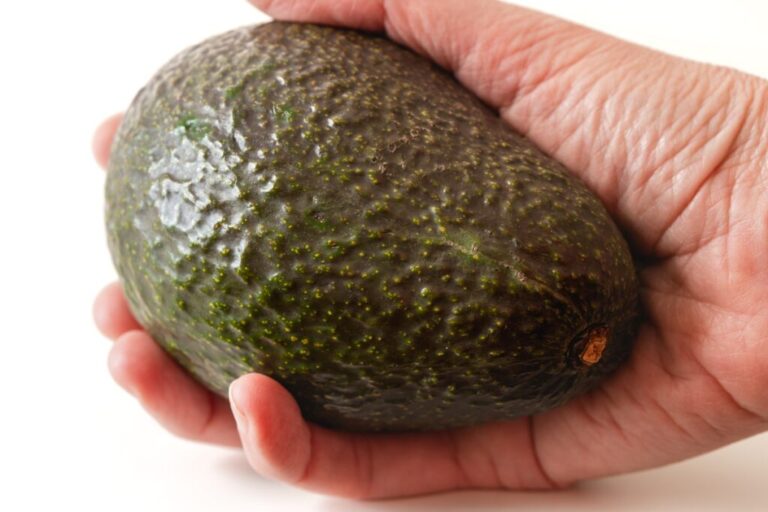
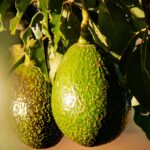
The designation applies primarily to Hass avocados grown in 31 municipalities across Michoacán, including Uruapan, Tancítaro, Tacámbaro, and Zitácuaro. These constitute the core of the country’s avocado export region.
“This is a national asset and may only be used with authorization issued by the IMPI, once the legal entity responsible for certifying compliance with the rules of use has been accredited,” the declaration stated.
Standardized production for Michoacán avocados
The document establishes detailed protocols for handling the fruit to preserve its quality. The new standards specify that harvesting must take place during cooler hours to prevent physiological disorders, particularly browning.
Harvesting is done manually, ensuring precise cuts at the stem to prevent damage and the entry of pathogens. The protocol also prohibits the inclusion of fruits that have fallen to the ground in the process.
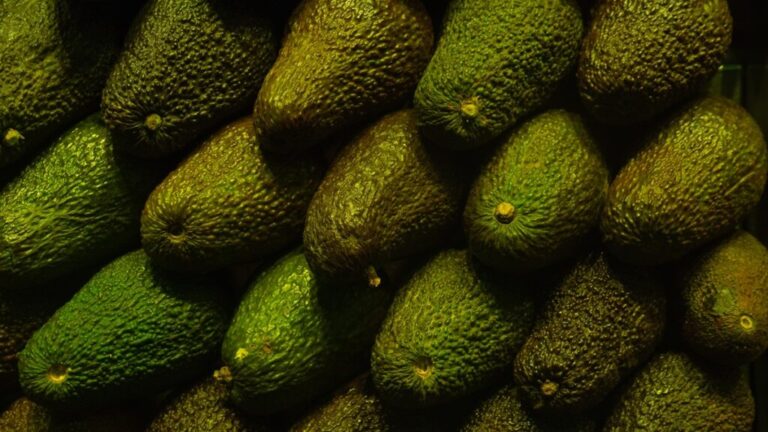
Post-harvest handling includes destemming, storage, and transport in shaded conditions, as well as careful control during box packing to prevent mechanical damage.
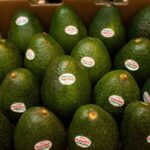
At packing houses, avocados must undergo pre-cooling to remove “field heat” and slow ripening. Subsequently, automated individual labeling, size-based grading, and packaging in formats that vary by destination market are carried out.
Packaging options include plastic mesh bags for retail sale and corrugated cardboard boxes with capacities ranging from about nine to 29 pounds, designed to facilitate ventilation and extend postharvest life.
Final packaging involves palletizing and securing the load for transport.
Export market remains key focus
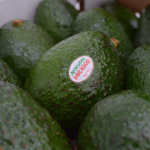
Mexico remains the leading supplier of avocados to the US market. America’s neighbor to the south accounted for more than 80 percent of avocado imports in recent years, according to the US Department of Agriculture (USDA)
International sales are conducted through specialized importers, with other primary destinations including Europe, Canada, and China.
Additionally, Michoacán avocados fully supply Mexico’s domestic demand, with distribution to the country’s main wholesale markets.
The product must comply with the rules of use presented in January 2026, as well as with the applicable Official Mexican Standards. Any modification to these provisions must be registered with the IMPI.
*All images are referential.
The second edition of the Global Avocado Summit will be held on November 11, 2026, at the Monticello Casino Events Center in Santiago, Chile. Organized by the Chilean Avocado Committee and Yentzen Group, the meeting seeks to bring together the main players in a growing industry.
The event has established itself as a key space for addressing commercial and sustainability issues in the industry, bringing together producers, exporters, buyers, certifiers, and innovators to analyze the sector’s challenges and opportunities.
For more info, contact
events@yentzengroup.com
Related stories
Asia and the Middle East: Two “very attractive” markets for Michoacán mangoes
Michoacán avocados move forward with geographical indication of origin protection