








China slashes tariffs on African citrus imports
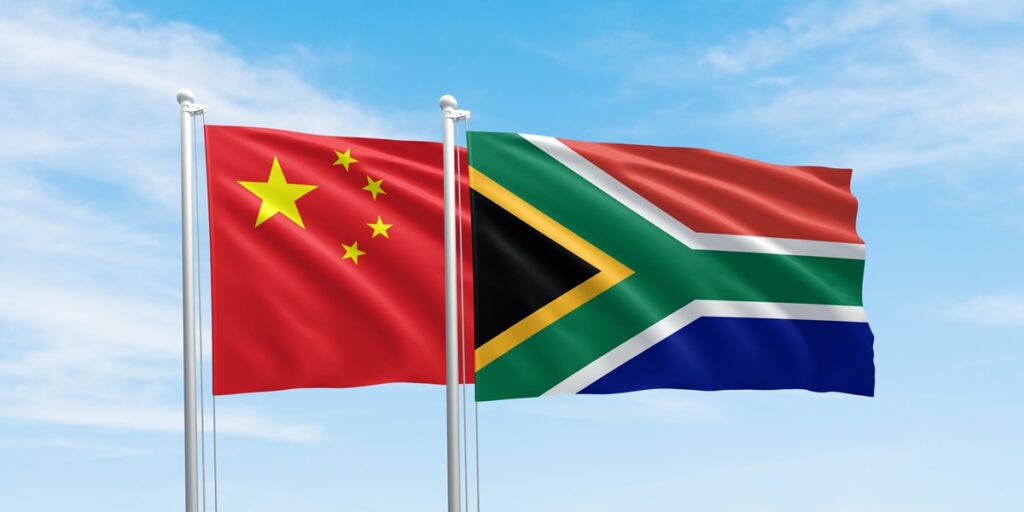



China has introduced a zero-tariff program for imports from 53 African countries and approved changes to the South African citrus cold-treatment protocol. The move could expand export opportunities for one of the Southern Hemisphere’s largest citrus suppliers.


The authorization is just the latest step in an ever-closer economic relationship between South Africa and China. The latter has served as an attractive export market after US tariffs forced the South African industry to find profitable alternatives.
Chinese President Xi Jinping announced the implementation of a unilateral zero-tariff regime during the 39th African Union Summit. The measure took effect on May 1.
In February 2026, China and the African States signed the Comprehensive Economic Partnership Framework Agreement (CAEPA), signaling plans to strengthen trade relations while negotiations continue on a broader agreement.
Additionally, on April 10, the South African Minister of Agriculture, together with the Chinese Ambassador, signed an amendment to the cold treatment protocol for citrus exports, which took effect on April 23.
In a recent letter to the industry, Boitshoko Ntshabele, CEO of the Citrus Growers Association of Southern Africa (CGA), celebrated the developments.
“These advances represent significant progress for the industry, especially in a context of global economic uncertainty,” Ntshabele noted.
Along with these milestones, an official release issued on April 28 by the General Administration of Customs of China outlined implementation for the zero-tariff agreement. According to Ntshabele, this will allow South African authorities to adapt their systems, particularly regarding the certificates of origin necessary to access the benefit.
Challenges and a long-term view for African citrus
Despite the progress, Ntshabele warned that the tariff elimination is a unilateral measure by China and not a formal trade agreement. Furthermore, he stressed the importance of moving towards a bilateral treaty based on clear rules.
He also recalled the experience of the US African Growth and Opportunity Act (AGOA), recently extended for one year until December 2026, as an example of the need for more stable trade frameworks.
Although the zero-tariff program is a two-year measure, Ntshabele emphasized that South Africa should accelerate negotiations with China to finalize an agreement before this benefit expires.
*Images courtesy of CGA.
Related stories
New protocol updates plant health rules, boosting South African citrus exports to China
South Africa: Late mandarin exports stabilize in 2026 with slight drop
South African citrus shipments challenge geopolitical disruptions in the Middle East
South African citrus exports projected to grow up to 5 percent in 2026






Subscribe to our newsletter