







Peruvian mango seeks to consolidate its global leadership amid new commercial challenges



by Francisco Seva Rivadulla, agri-food reporter


Peruvian mango has established itself as one of the pillars of the country’s agro-export sector, reaching record figures and a prominent presence in the main international markets.
However, this sustained growth is accompanied by structural challenges that condition the category’s competitiveness and force the sector to rethink its global expansion strategy.
Key challenges for the competitiveness of Peruvian mango
Despite Peru’s explosive expansion as an agro-producer across multiple categories, logistics pressure and rising costs remain a considerable hurdle for the country.
Increasing sea freight rates, container shortages, and shipment delays directly affect the quality of Peruvian mango at destination. Additionally, there are internal limitations, such as deficient road infrastructure and a cold chain whose capacity continues to prove insufficient amid growing production. All of these factors combined continuously complicate efficient transport from production areas to ports.
Unfortunately, not all challenges facing the Peruvian industry are within the country’s control. Extreme weather phenomena, including droughts, heavy rains, or thermal variations, are considerably impacting both production volumes and fruit quality. This instability introduces uncertainty in the exportable supply, making medium- and long-term commercial planning difficult.
Intense market conditions challenge the Peruvian mango sector
Strong mango producers such as Mexico and Brazil maintain a strong presence in strategic markets such as the United States and Europe. Saturation in these destinations forces Peru to differentiate its offer and explore new markets with greater growth potential.
Access to international markets also hinges on compliance with strict phytosanitary and quality standards. Pest control, such as the fruit fly, remains a critical factor determining the global footprint of Peruvian mangos. Any non-compliance can lead to commercial restrictions, a reputational hit, or the loss of key markets.
Maintaining access to a wide range of markets is crucial, as diversification continues to gain traction as a commercial strategy. While the United States and Europe continue to be the main destinations in terms of volume, countries like Japan and South Korea stand out for their high purchasing power and quality demands. Meanwhile, Russia presents interesting opportunities due to its growing demand for imported fruit.
Building a differentiated brand for the future
Peruvian mango has clear competitive advantages, such as its quality and international recognition. However, the future of the sector will depend on its ability to adapt to an increasingly demanding environment. Improved logistics, innovation in the value chain, market diversification, and a firm commitment to differentiation will be decisive factors.
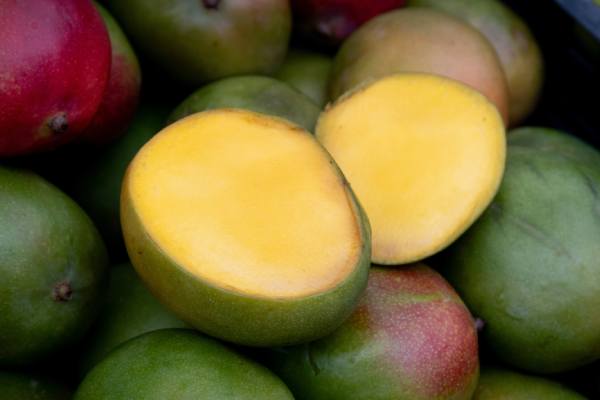
Creating a local quality brand for Peruvian mango is a pending task for the industry. A distinctive seal would strengthen its position, increase international recognition, and consolidate its presence in demanding markets, especially in Europe and Asia.
With a well-defined strategy oriented towards internationalization and quality, Peruvian mango will not only be able to strengthen its global positioning but also guarantee sustained, profitable growth over time.
*All images are referential.
Related stories
Massive surge in Peruvian mango exports sinks prices
Piura mango industry under strain as market conditions worsen








Subscribe to our newsletter