Cosmic Crisp: An apple by and for Washington growers
 Add Fresh Fruit Portal to Google
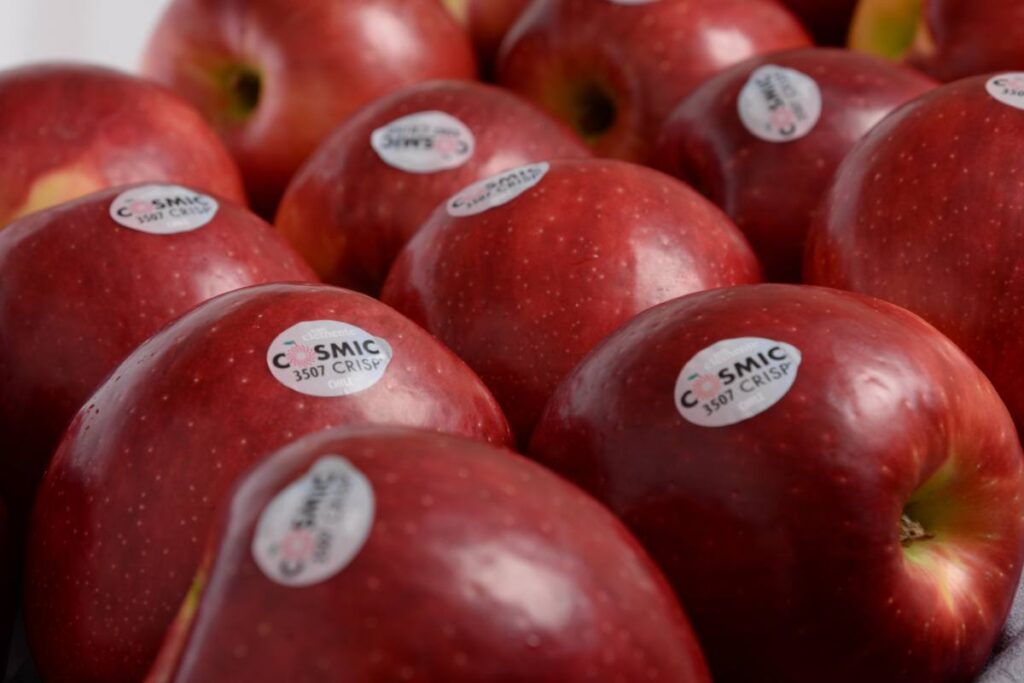
Only seven years after its launch, Cosmic Crisp is an undeniable success story within the fresh produce industry. The brand has made a name for itself for its crisp texture, balanced flavor, and juiciness, making it one of the best-selling apples in the country.
But this apple’s story is not complete without its origin. Developed and grown in Washington, W38 is the result of decades of research at Washington State University (WSU) and the unwavering support and effort of state growers who invested heavily in the cultivar both before and after its commercial launch in 2019.
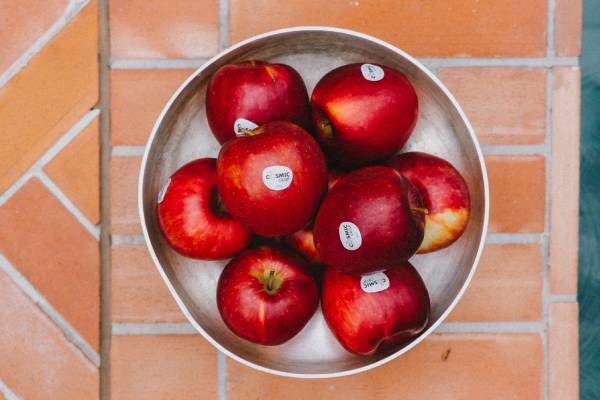
That faith has been recognized and was rewarded once again at the beginning of April, when WSU officially announced the extension of the Washington Grower Exclusivity period. The authorization, which was set to expire in 2027, will now stay in place until May 2032, granting the state’s apple industry exclusive rights to grow Cosmic Crisp in North America.
In a notice sent to the local apple grower community and signed by Senior Director, Innovation & Entrepreneurship at WSU, Jeremy Tamsen, the institution celebrated producers’ role in Cosmic Crisp’s success story, emphasizing the sector’s technical and financial support, as well as its enduring commitment to the cultivar’s commercial success.
A village? It takes an entire state
Back in 2019, expectations for Cosmic Crisp were high, said Kathryn Grandy, Head of Marketing at Proprietary Variety Management (PVM), the company responsible for commercializing the brand.
“Our early experience with Cosmic Crisp was unlike any previous launch in the US apple industry,” she told FreshFruitPortal.com. “When WSU and PVM first opened licensing, demand dramatically exceeded expectations.”
The initial plan was to release about 300,000 trees, she explained, but growers requested roughly 4 million, which forced the university to allocate plants through an application and drawing process.
Things quickly snowballed from there, said PVM COO Kevin Brandt: More than 11.5 million trees were planted within the first three years, which rapidly turned into nearly 17 million in 2021. According to company figures, initial industry investment exceeded $750 million in orchard redevelopment, packing, and marketing.
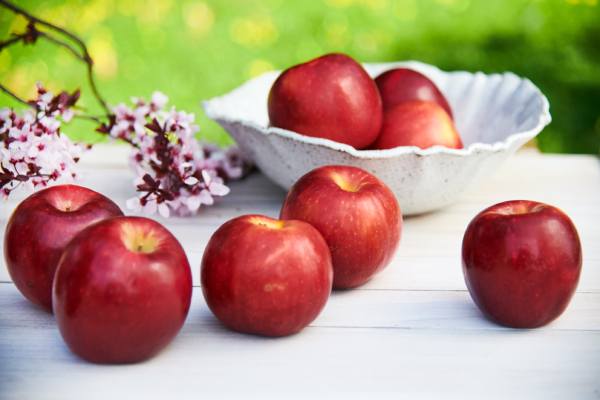
Image courtesy of PVM
Good timing is a recurrent element in the Cosmic Crisp story. Back in 2019, Grandy explained, growers were hoping for a cultivar that could both replace declining legacy varieties like Red Delicious and improve returns by competing in the Honeycrisp-dominated premium category. And even though it wasn’t bred specifically for it, W38 fit the bill perfectly.
The rise didn’t come without its challenges, as growers quickly learned that Cosmic Crisp wasn’t just a better and improved Honeycrisp. Grandy said there was a steep learning curve in which producers discovered the cultivar’s unique agronomic behavior in both orchards and storage.
On the marketing side, things were not a piece of apple pie either. The team behind the brand had to continuously manage grower and consumer expectations after a media frenzy that positioned Cosmic Crisp in the public eye as “the apple of the future.” At the same time, they had to lay the groundwork with retailers, securing shelf space, building confidence, and providing promotional guidance for an apple launch like no other before—all in the middle of the 2019 pandemic.
But the multiple challenges didn’t affect growers’ enthusiasm. Acreage expanded, from 630,000 trees in 2017 to over six million new plants in 2018 and four million more in 2019. Today. PVM says over 20 million Cosmic Crisp trees are planted in the state of Washington.
Production also started ramping up—from over 3.7 million 40-pound boxes in 2021 to nearly eight million in 2023, and around 11.7 million in 2024.
“By 2023, Cosmic Crisp entered the top 10 bestselling apple varieties in the US, and by 2025, it had become the fifth most-produced apple variety nationally,” Grandy said. “It’s currently the bestselling branded apple and the third overall bestselling apple within the category, nationally.”
From the Northwest to the world
Soon after its success in the US, the variety was set to take over the globe. Cosmic Crisp’s long shelf life and slow browning made it an excellent candidate for exports, and according to PVM, the variety quickly gained particularly strong traction in Mexico, Canada, Taiwan, and Vietnam.

Promotional activation in Barcelona, Spain | Archive.
Outside North America, Cosmic Crisp is licensed for cultivation in 12 markets, with Europe accounting for 1,100 hectares. The nation bloc is followed by China, South Korea, and Russia, each with 500 licensed hectares. Smaller markets are also growing the apple: Australia and Chile (200 hectares each), as well as New Zealand, Türkiye, and Argentina (between 100 and 150 hectares each).
Licensing W38 abroad brought its own challenges, Kevin told FreshFruitPortal.com, like adapting the Washington-bred variety to different climates and production systems, managing intellectual property, and protecting the brand by ensuring consistent eating quality across markets.
Cosmic Crisp: An apple by and for Washington growers
It seems counterintuitive to restrict the cultivation of an apple cultivar with such a meteoric commercial trajectory, but according to the PVM Head of Marketing, this is one of the most strategically important parts of the Cosmic Crisp model.
“Because Washington growers retained exclusive North American growing rights, they effectively created a protected premium category around a Washington-developed apple,” Grandy explained.
This has had obvious advantages for state producers, including the ability to limit oversupply from competing domestic regions. This has resulted in greater pricing power and better grower returns, says PVM.
According to the executive, this has also reinforced Washington’s position as a dominant premium apple supplier and “slowed the rapid commoditization that can occur when a successful variety is planted broadly across multiple competing regions.”
With the extension of the exclusivity cultivation period, Washington growers are celebrating five more years of the state’s Cosmic Crisp legacy. As of 2025, the apple’s production has expanded enough to provide a year-round domestic supply, which PVM says it expects to strengthen in the upcoming years with the support of Washington growers.
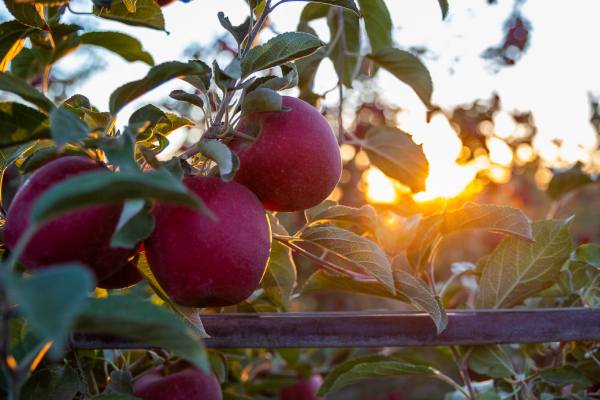
Image courtesy of PVM
The future also brings growth opportunities abroad. The company says it’s looking to expand Cosmic Crisp's global penetration into Southeast Asian and Middle Eastern markets, with special efforts to improve intellectual property protection, coordinated branding, and premium positioning worldwide.
Moreover, the brand’s staggering success has generated a solid royalty revenue stream for WSU, supporting continued research and breeding efforts. That financial foundation, plus the wealth of knowledge generated by growers navigating W38’s cultivation learning curve, has supported the development of future varieties, including Sunflare, a climate-resilient, long-lasting premium apple set to debut its first commercial volumes in 2029.
“Cosmic Crisp demonstrated that Washington could do more than grow apples exceptionally well—it could successfully create, brand, commercialize, and globally market a proprietary variety at scale and protect the university’s and growers' intellectual property,” Grandy concluded.
*All photos courtesy of PVM and San Clemente | Archive
Related stories
First Chilean Cosmic Crisp apples to hit shelves in Brazil and Taiwan
Washington State University's WA64 apple finally has a name
Cosmic Crisp apple reaches new heights with marketing campaign