








South African growers sound the alarm about electrical outages in the Western Cape
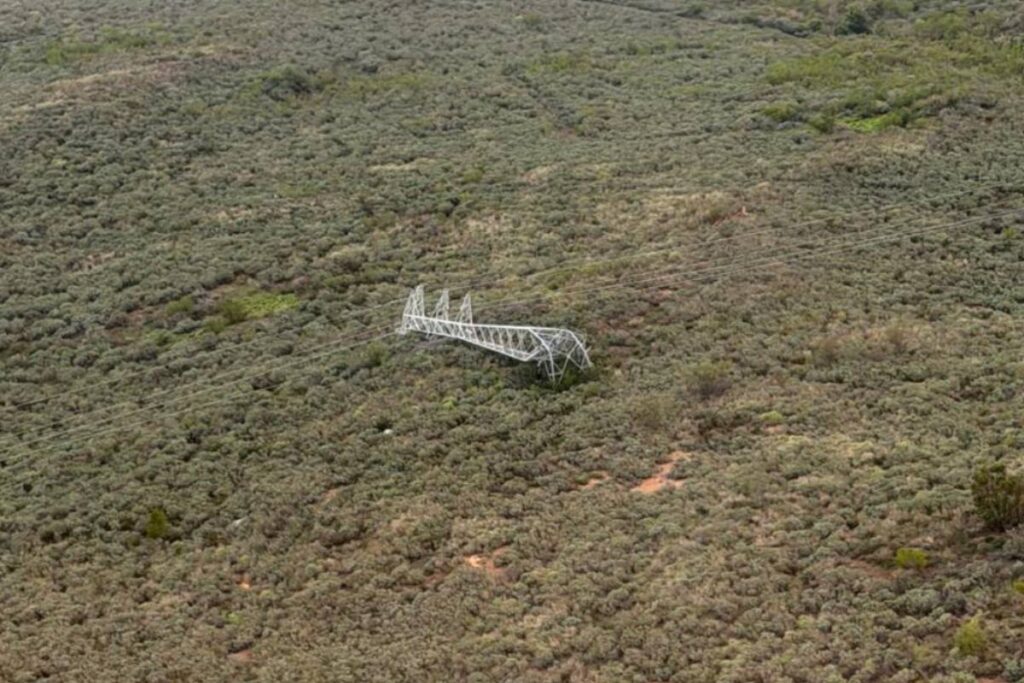



Recent storms that hit the Western Cape of South Africa on May 10 and 12 have severely damaged the region’s electrical infrastructure, leading to extensive power outages that are currently jeopardizing the work of local apple growers.


The deciduous fruit industry reportedly has more than 300,000 tonnes of freshly harvested export fruit in cold storage, and over 100,000 tonnes more awaiting processing. The sector is currently using generators to keep the cold chain running—a key phytosanitary and commercial requirement for fruit destined for international markets. However, limited capacity and escalating diesel costs are placing enormous strain on growers, packhouses, processors, and communities.
“There is insufficient generator capacity to keep these cold stores operational, while diesel costs are placing enormous financial pressure on businesses,” said Pieter Graaff, chairman of Tru-Cape Fruit Marketing. “If the fruit deteriorates, it cannot be packed, which could result in thousands of job losses and major export revenue losses.”
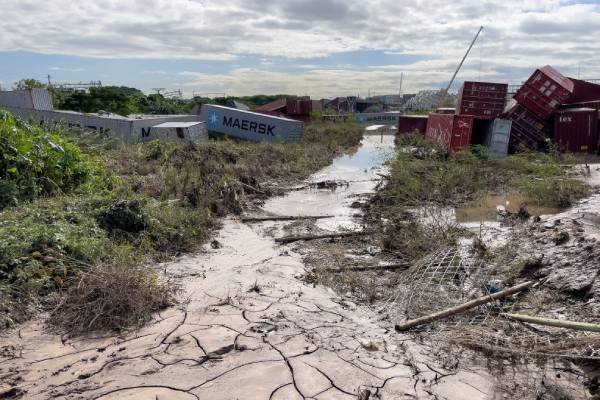
Flood damage in Durban, South Africa, in 2022 | Archive
Sweeping electrical damage in the Western Cape
In a press release requesting government support for the industry, leading South African pomme fruit producer Tru Cape reported that due to the strong winds and abnormal rainfall in the Western Cape, between six and ten pylons collapsed between Wolseley and Worcester. The damage, they said, is so extensive that repairs could take up to four weeks.
“The storm’s impact has been catastrophic. As rivers swelled, roads, homes, and lives were swept away,” Graaff added. “The damage to infrastructure will take years to repair and cost billions of rand.”
Francois Malan, managing director at Ceres Fruit Growers, stressed that most farming operations in the region have suffered some form of damage—from orchards being washed away and infrastructure destroyed to erosion damage and crop losses. However, restoring electricity to the town and surrounding farms is the most critical situation the region is currently facing.
“Millions of rands are being spent daily on diesel to keep packhouses, farms, and communities functioning. Electricity is currently our biggest crisis,” he said.
Attie van Zyl, managing director of producer Two-a-Day, noted that some of the company’s orchards in the Western Cape received over 600 millimeters (23.6 inches) of rainfall in a three-day period. Strong winds also blew off approximately one-third of the remaining fruit on the trees, which will now be diverted for juice. Fortunately, he said, this represents only about 2.5 percent of the total crop.
Table grapes join the call for help
In a press release, the South African Table Grape Industry, represented by SATI, also asked for urgent government intervention and support in the face of the damage left by the storms in the Western Cape.
According to the industry body, farming operations in parts of the Berg River, Hex River, and Olifants River regions have been partially or severely disrupted. Access is the sector’s main concern after roads were either extremely damaged or entirely washed away.
Additionally, SATI reports widespread damage to vineyards and agricultural infrastructure in the Western Cape, including flooded orchards, collapsed netting and poles, damaged trellising systems, and irrigation infrastructure. Some farms reported that more than a third of their plantings had been affected.
“Government disaster relief processes must be accelerated to address these extenuating circumstances,” said SATI CEO, Mecia Petersen.
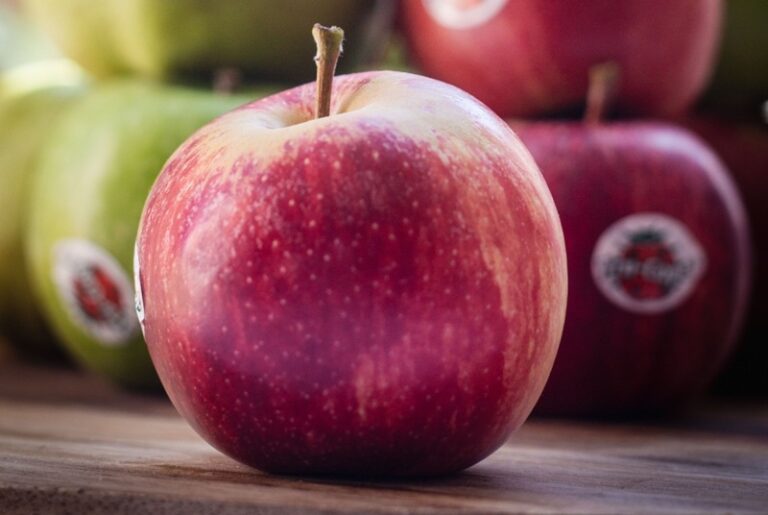
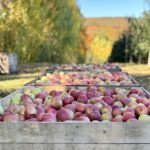
Image courtesy of Tru-Cape | Archive
The executive emphasized that the timing of the disaster is particularly concerning as Western Cape table grape producers are now entering a critical post-harvest period during which essential vineyard management practices must be carried out.
Industry praise to government support
In a visit to the affected areas, the South African Minister of Agriculture, John Steenhuisen, visited the region to assess the storm’s impact on the apple and pear industry and surrounding communities.
The government official emphasized the importance of the electrical crisis affecting the region and promised that “help is on the way.”
“Moving forward, it is critical that government remains nimble and adaptable in the face of an increasingly volatile climate, and that all future investment in infrastructure and development is undertaken in a sustainable and resilient manner to protect local economies and the livelihoods they support,” he stated.
Even though the government official didn’t specify what type of help the industry should expect or what the timeline for receiving it would be, the South African government recently declared a state of disaster in the region. This enables both local and national authorities to allocate public funds to aid and support those affected by the inclement weather.
Related stories
South African floods cause over $230 million damage, crippling citrus and avocado farms









Subscribe to our newsletter