








Proposed H-2A reforms spark debate over wages and worker rights
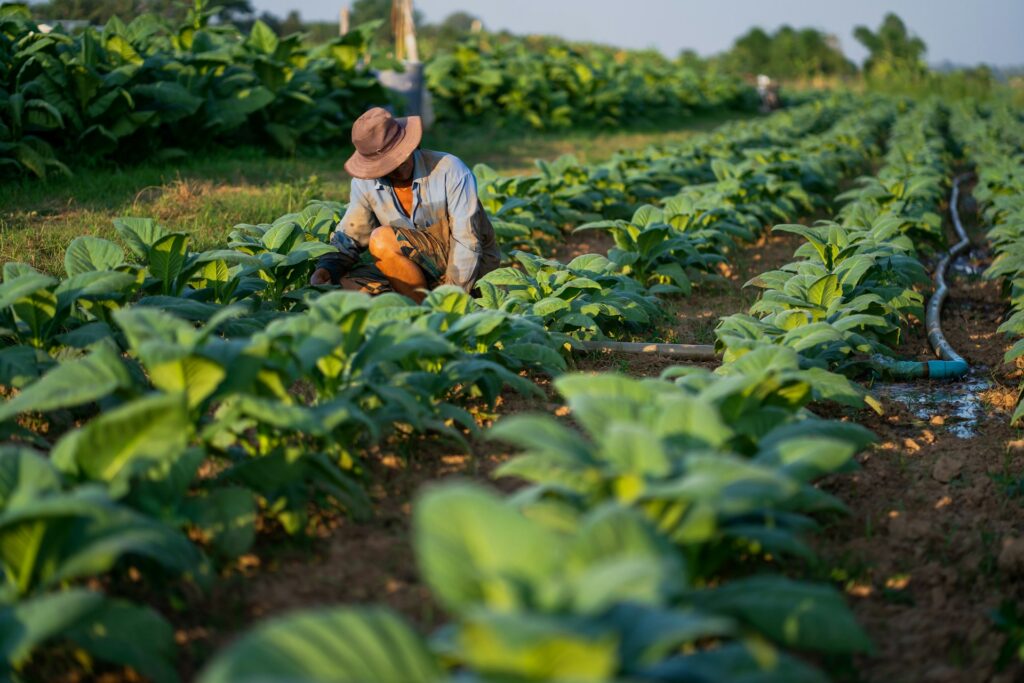



The H-2A agricultural guestworker visa program is set for its first massive overhaul in four decades as part of the Securing Agriculture’s Workforce Act of 2026 (SAWA), introduced by a bipartisan group of lawmakers on June 30.


The initiative has been met with ample pushback, generating a heated debate within the fresh produce industry, largely one of the biggest users of the visa program. While some celebrate the bill’s promise to expand access, control costs, and stabilize wages while cutting through red tape, labor advocacy groups warn of pay cuts, eroding protections, and displacing domestic workers.
A closer look at the proposed H-2A changes
One of the biggest changes proposed by the bill is the removal of the H-2A program’s seasonal requirement. Instead, the regulation would define eligible employment as temporary work, capping duration at 350 days.
The H-2A visa program is largely used by the ag-industry for seasonal work such as packing and harvesting. However, this update would allow year-round industries to benefit from the program as well, including mushroom production, controlled environment agriculture, and dairy farming.
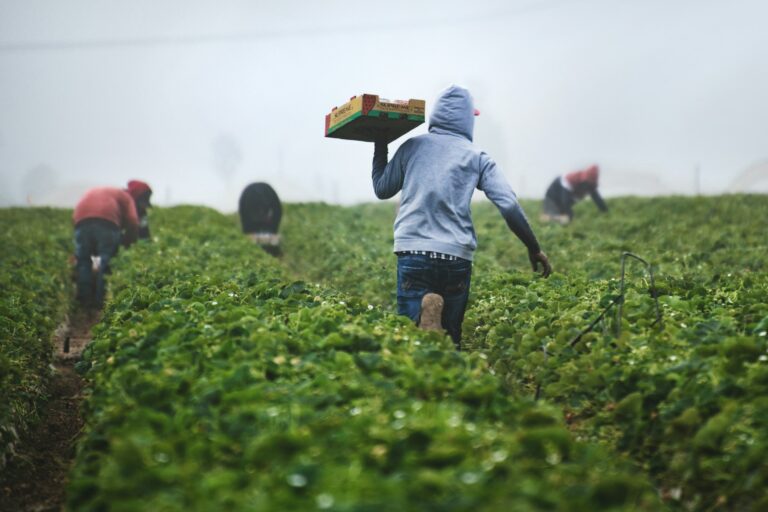
Rachel Roberts, president of the American Mushroom Institute, told The Packer that the sector's traditional workforce is shrinking as longtime employees retire and fewer people enter the profession. She noted that 12 mushroom farms have closed during the past three years and described labor shortages as a growing threat to the sector.
Tom Stenzel, executive director of the Controlled Environment Agriculture Alliance, told the outlet that controlled environment growers face similar workforce challenges. He explained that, while growers have adopted technology, “indoor produce growers still need a reliable workforce,” and the current 10-month seasonal limitation “simply doesn’t work for year-round growers.”
SAWA would additionally cap annual changes to the Adverse Effect Wage Rate at a maximum increase of 3.5 percent or a maximum decrease of 1.5 percent. The bill also would codify the Trump Administration's Interim Final Rule governing H-2A wage calculations, establish daily housing charges for workers, and create multi-year labor certifications and housing inspections.
The legislation would also establish an online platform for communication among employers, workers, and government agencies, and shift authority to define agricultural labor and services from the Secretary of Labor to the Secretary of Agriculture.
In addition, the bill would allow certain unauthorized agricultural workers already employed in the US to participate in the H-2A program if they meet eligibility requirements. However, it does not include a pathway to citizenship.
“A lack of domestic workforce for these jobs, how cumbersome the H-2A visa program was, and the fact that the cost of ag labor was pushing some farmers to the brink of bankruptcy,” Thompson said during a press conference. “I decided we couldn’t sit back and let someone else solve this problem.”
Labor groups push back
On the other side of the debate, farmworker advocates argue that SAWA would lower wages and weaken worker protections.
“It’s a wishlist for H-2A employers on the backs of workers,” said Diego Lopez, Director of Government Affairs for the United Farm Workers Foundation, speaking with Civil Eats.
According to the organization, changes to the Adverse Effect Wage Rate calculation and allowing employers to deduct housing costs from workers' pay could reduce wages by several dollars per hour, depending on the state. The group also argues that the bill's wage adjustment formula would slow future wage growth.
“This takes from the pockets of farmworkers and makes them unable to afford groceries, rent, healthcare, and other basic needs for survival,” Lopez said.
The expert also argued that if Congress intends to support year-round agricultural employment, lawmakers should create a permanent immigration pathway rather than expand a temporary visa program.
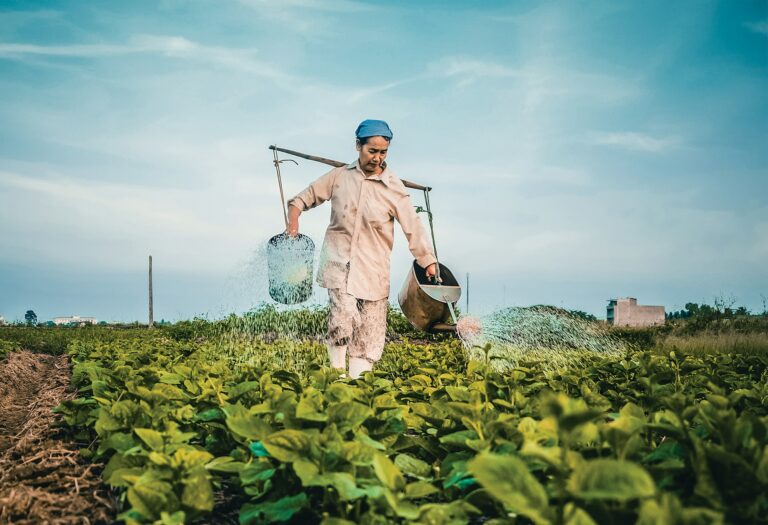
“We have bipartisan compromises like the Farm Workforce Modernization Act, which provides a pathway to citizenship and includes many provisions for employers,” he added.
The National Farmers Union (NFU) has also weighed in, saying in a statement that it supports several overdue updates for family farmers but raised concerns about expanding H-2A eligibility to meatpacking operations.
NFU President Rob Larew said the provision “could undermine the program’s original intent and harm the farmers and workers it was designed to serve.”
SAWA was officially presented by House Agriculture Committee Chairman Glenn “GT” Thompson (R-PA), who was backed by more than 40 co-sponsors and a coalition of over 400 agricultural groups.
The measure must advance beyond the House Agriculture Committee before moving through Congress.
*Photos are referential.
Related stories
Voice of the Farmer 2026: Survey reveals urgent income and climate crisis weighing on returns
High input costs weigh down on farmer sentiment
US farmer sentiment slips in 2026 amid trade uncertainty and global competition concerns








Subscribe to our newsletter