








Ecuadorian banana exports peel good growth in 2026
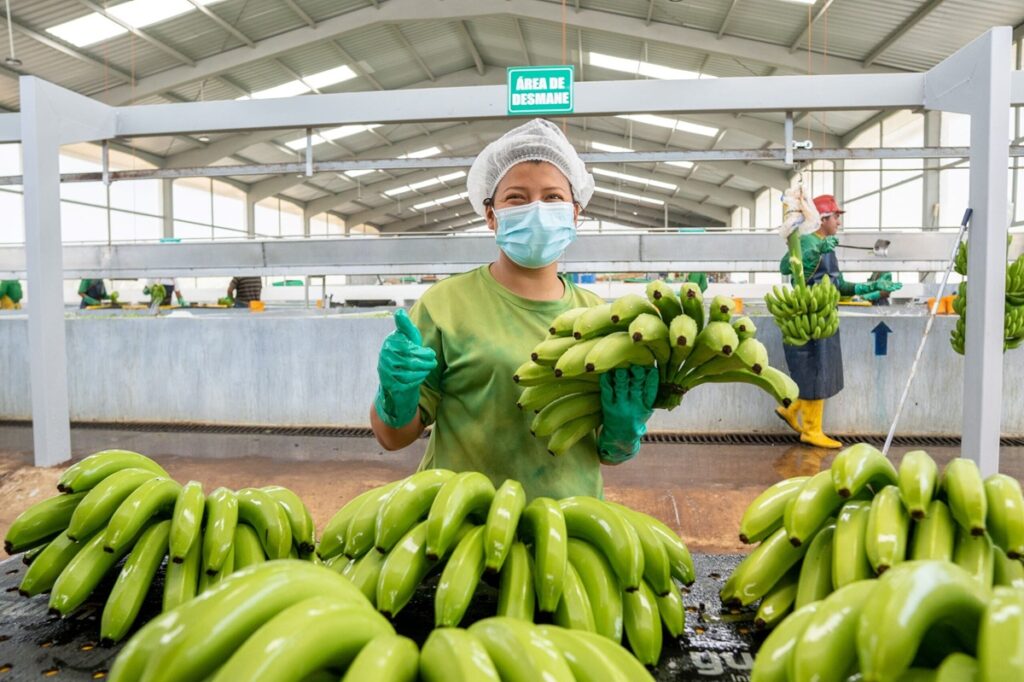



The Ecuadorian banana sector is looking at a positive 2026. Exports grew seven percent year-on-year from January to May 2026, according to the latest report from the Banana Marketing and Export Association of Ecuador (ACORBANEC, for its initials in Spanish).


Higher fruit availability and strong demand from the European Union, Russia, and South America drove the fifth consecutive month of positive export performance, the industry body said.
Shifting global demand bears fruit for exporters
The EU consolidated its position as the top destination for Ecuadorian bananas, receiving 34 percent of shipments, followed by Russia at 21 percent, the Middle East at 14 percent, and the United States at 11 percent.
Lower fruit availability in competing regional producing nations was another key driver, according to ACORBANEC. Heavy rains in Colombia, alongside weather disruptions in Costa Rica, Guatemala, and Honduras, reduced regional supply, boosting demand for Ecuadorian bananas, particularly in Europe.
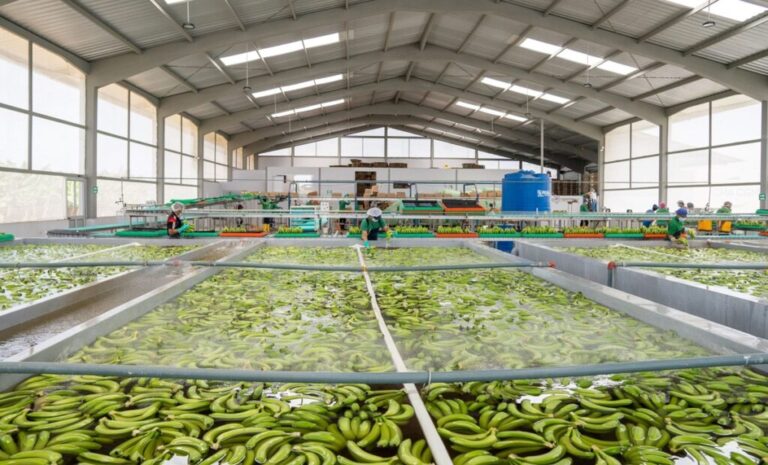
Exports to the EU rose 15 percent during the first five months of the year, with notable increases in Spain, France, Italy, Poland, Greece, Finland, and Sweden. Russia maintained steady demand, posting 14 percent growth, while shipments to South America expanded 10 percent.
In contrast, US demand declined, dropping seven percent compared to the same period in 2025.
Middle East logistics face slippery slopes while China climbs
The Middle East remained a growing market for Ecuadorian fruit, with imports to Saudi Arabia up 27 percent.
However, regional conflicts disrupted logistics chains. The closure of the Strait of Hormuz and temporary service suspensions by some shipping lines caused transit delays to Persian Gulf nations, including Bahrain, the United Arab Emirates, Kuwait, Qatar, and Oman, while adding an estimated $300 to $600 in logistics costs per container.
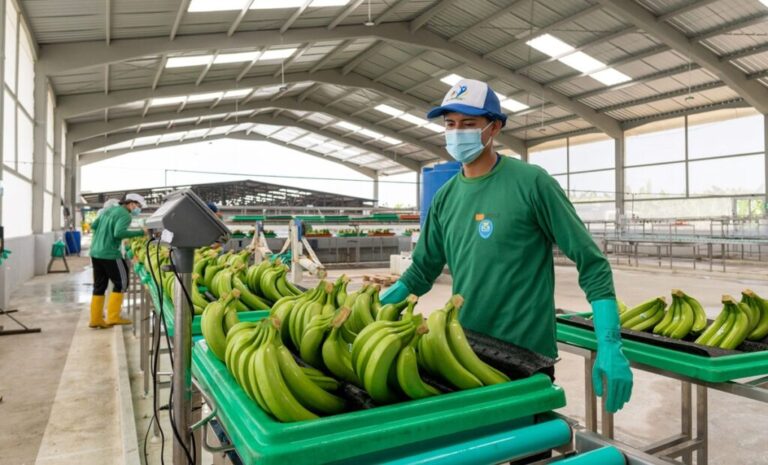
China also posted gains, with exports growing three percent. ACORBANEC reported that growth was supported by lower production in Asian nations such as the Philippines, Cambodia, and Vietnam—which faced weather and phytosanitary challenges— and the benefits of the Ecuador-China trade agreement.
The latter enabled a progressive tariff reduction on Ecuadorian bananas, dropping from the original 10 percent to seven percent in 2026.
Increased production keeps supply appealing
Higher domestic production supported positive export performance. The industry body reported that bagging increased by one percent year on year.
Likewise, plantations experienced favorable physiological development, leading to better bunch yields and expanded production area from new and replanted acreage. Despite heavy rains and flooding in the provinces of Los Ríos, Guayas, and El Oro, exportable supply remained above 2025 levels.
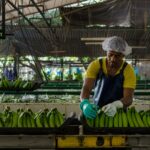
*Photos courtesy of ACORBANEC.
Related stories









Subscribe to our newsletter