








Lower harvest shaped the Argentine pear export season, but US market remained stable



Written and reported by Macarena Bravo | Lee esta noticia en español


Argentine pear and apple production went down this year due to a combination of climatic factors, including frost and hailstorms. However, the smaller crop didn’t affect the commercial performance of exports, Nicolás Sánchez, President of the Argentine Chamber of Integrated Fruit Growers (CAFI, for its initials in Spanish), told FreshFruitPortal.com.
Despite weather woes, Sanchez said there was a year-on-year improvement in the campaign thanks to a more balanced supply and demand at the fruits’ main destinations. This sharply contrasts with early expectations of lower fruit availability due to frost damage, a situation later compounded by hailstorms.
“Pear production decreased between 10 percent and 15 percent compared to a normal season, while the drop in apples was greater, standing between 20 percent and 25 percent,” he said.
In the case of apples, the expectations were lower because 2026 was an off year for the crop.
Argentine pear shipments keep the pace
But even in the face of a reduced crop, Sanchez says pear exports into the United States remained stable.
"The comparison is made with the last season, when shipments were exceptionally high because the United States had a smaller harvest and Argentina had a supply surplus," he explained.
The view of the CAFI representative coincides with the assessment made by American importers, who described the season for imported Argentine pears as more complex than expected. This was due to a greater availability of local fruit due to the harvest in Washington and Oregon lasting longer than usual.
Sánchez emphasized that, unlike the previous campaign, the US market remained stable.
"There was a more balanced supply, and that allowed both sales and prices to be more stable than last year," he noted.
Other destination markets
Latin America and the United States are the main destinations of Argentine pears, but other markets such as Europe, Russia, and the Middle East also play a role in the sector’s portfolio, albeit a smaller one.
Regarding the end of the season, Sanchez said that pear shipments will start to decrease gradually in the upcoming weeks due to the low stock level.
In the case of apples, he said that the timeline will depend on the domestic market, where close to 60 percent of the fruit is sold.
In this regard, he explained that both prices and demand in the local market remained relatively stable during the first half of the year, although he acknowledged that winter usually slows sales down.
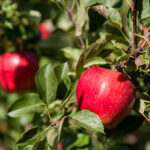
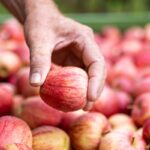
*All images are referential. Source: Shutterstock.
Related stories
Argentine pears and lemons led the country's exports in 2025
California growers demand action against 125 percent import surge of Argentine pears








Subscribe to our newsletter