Japanese fresh fruit market eyes $21B value by 2031

 Add Fresh Fruit Portal to Google
The Japanese fresh fruit market is set for some explosive growth. An August report by Mordor Intelligence puts 2026 value at $17.07 billion, with the sector forecasted to hit $21.3 billion by 2031 at an annual growth rate of 4.5 percent.
Rising international trade, government ag modernization grants, and rising domestic apple production drove market valuation up from $16.33 billion in 2025, the assessment notes.
Although premium presentation, an Asian staple, keeps prices high, limited domestic land creates steady demand for imported produce. Japan produces significant volumes of apples and pears but relies on foreign suppliers for bananas, oranges, grapes, and tropical fruits.
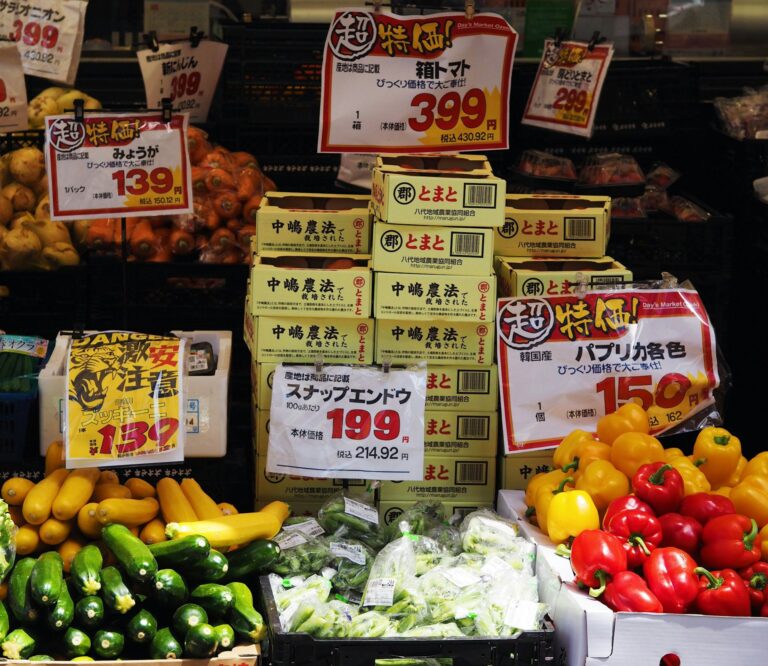
In this landscape, the Philippines and Ecuador accounted for the bulk of banana imports, which rose from $960 million in 2023 to $975 million in 2024, according to the International Trade Commission’s Trade Map.
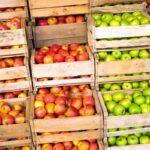
Meanwhile, growers in Chile, Australia, and the United States ship large volumes of citrus, table grapes, cherries, and kiwifruit.
Japanese fresh fruit growers' biggest challenges
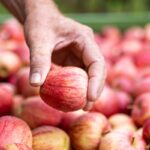
Apples maintain market dominance among domestically grown fruits, accounting for over 35 percent of total Japanese fresh fruit production volume.
The island ranked 13th globally in apple production during the 2024/25 marketing year, harvesting 737,100 metric tons, according to data by the US Department of Agriculture. Aomori Prefecture led domestic output, yielding 371,000 metric tons in 2025 to supply 61 percent of the national crop.
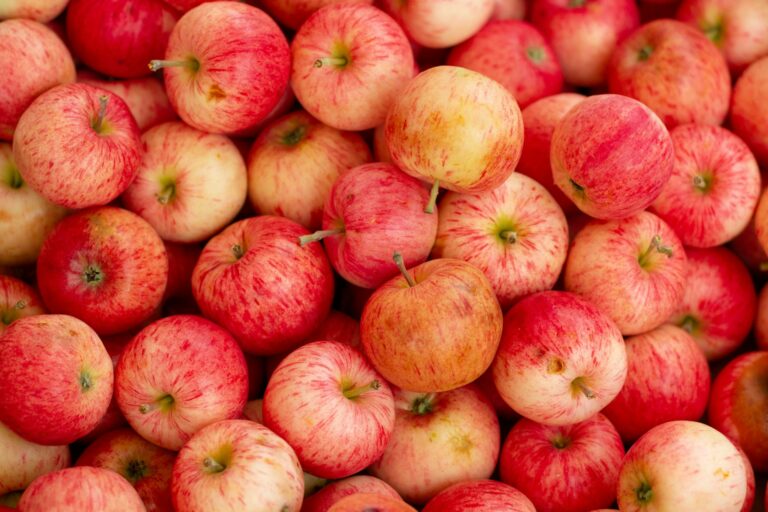
“The Fuji apple maintains Japanese fresh fruit market dominance, while varieties like Jonagold and Orin gain popularity due to their distinct flavors and premium quality,” the assessment states regarding key varieties in the category.
However, despite strong consumer demand for healthy foods, Japanese growers face severe operational headwinds. Natural hazards, extreme temperatures, and an aging agricultural workforce restrict domestic yields.
In 2023, six major earthquakes damaged soil structure and irrigation systems across several farming regions. High production costs also squeeze general consumer purchasing power, although extreme luxury items like a pair of Yubari King melons still commanded $30,000 at auction in 2024.
A year later, Japanese authorities funded cold-chain logistics upgrades through the Ministry of Agriculture, Forestry, and Fisheries. Exporter Wismettac Foods was one of the beneficiaries, receiving subsidies to maintain depot transit temperatures within 0.9 degrees Fahrenheit of target levels.
“These logistics improvements increase product shelf-life by up to 48 hours, allowing access to previously unreachable markets. The enhanced cold chain infrastructure reduces produce waste and improves profit margins for producers in the Japanese fresh fruit market, supporting national export objectives,” the report notes.
*All images are referential via Unsplash.
Related stories
Japan’s first agricultural certification schemes featured on ITC Standards Map
Japan will continue importing Peruvian Hass avocado this season