








CGA makes slight downward revision to citrus export estimate as season ramps up




 Add Fresh Fruit Portal to Google
Following the most recent meetings with industry officials, the Citrus Growers' Association of Southern Africa (CGA) revised its total export estimate for 2026 downward.


The latest projection sits at 205.3 million 15kg cartons, revised two percent down from the original forecast of 209.4 million 15kg cartons.
In a statement, the industry body explained that the revision is the result of different adjustments growers have made to each variety estimate as the season has progressed.
The South African citrus estimate: a breakdown
The mandarin estimate has been reduced by 206.3 million 15-kg cartons, down 2.7 million from the original forecast. The CGA said that the Nova and Leanri varieties are done harvesting, and all regions still packing are now focused on the late mandarin types such as Orri, Nadorcott and Tango.
Meanwhile, the navel orange estimate now sits at 26.4 million 15kg cartons, down 4.6 million from the original estimate released in March 2026. The industry body explained that the revision in this case was due to larger navel orange sizes reported in the Eastern Cape resulting from increased rainfall.
“About 75 percent of the navel crop has been packed, with less than six million cartons of late navels to pack,” the organization said.
So far, there have been only small adjustments to the Valencia orange estimates.
“There is an overall trend of excellent yields per hectare in the northern regions, which has been offset by a lower crop in the Eastern and Western Cape,” said the CGA.
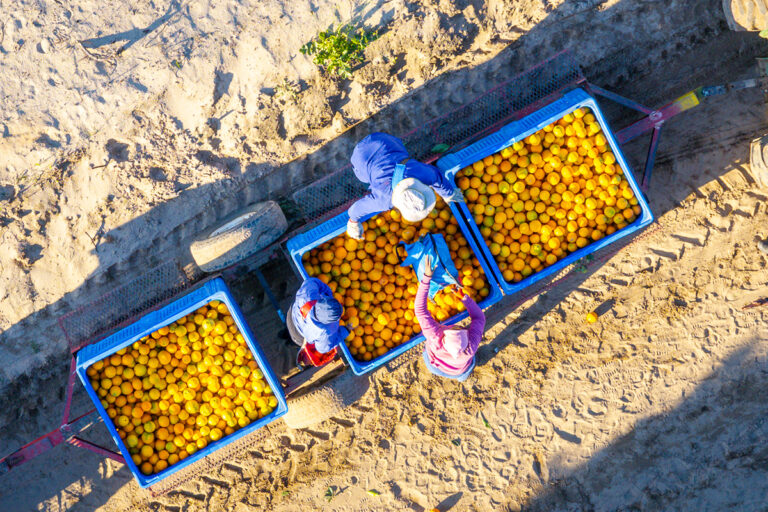
Orange juice factories are processing considerable volumes of fruit, and Valencia packing season will ramp up over the next two to three weeks. The expectation is that the season might be somewhat longer than usual.
Meanwhile, the grapefruit estimate has been lowered by 11 percent to 14 million 15kg cartons. The original forecast sat 16 percent above 2025 production, and the new projection, albeit lower, still puts expectations over last year’s levels.
According to the CGA, the Northern regions have finished packing grapefruit, while the Oranje Rivier and KZN areas are drawing to a close. Class 1 and 2 year-to-date volumes are lower than in past years, while fruit destined for processing factories is higher.
The lemon season has drawn to a close in most regions, and the industry is celebrating a 12 percent increase over the original projection, putting the season’s estimated tally at 51.3 million cartons. Some packhouses in the Eastern Cape, the country's largest lemon-producing region, indicate that volumes are winding down, with less than 10 percent left to go.
Concerns over external pressures on the sector
With the industry reaching the peak of its season, concerns over the considerable pressure on port capacity, particularly delays at the Port of Durban, have risen. Unfortunately, that’s only half of it.
“It has been a very challenging season for our growers on a number of fronts,” the CGA said in a statement. “Floods in the Western and Eastern Cape have impacted the season; input costs, market conditions and pricing are equally important factors placing pressure on farm-gate margins.”
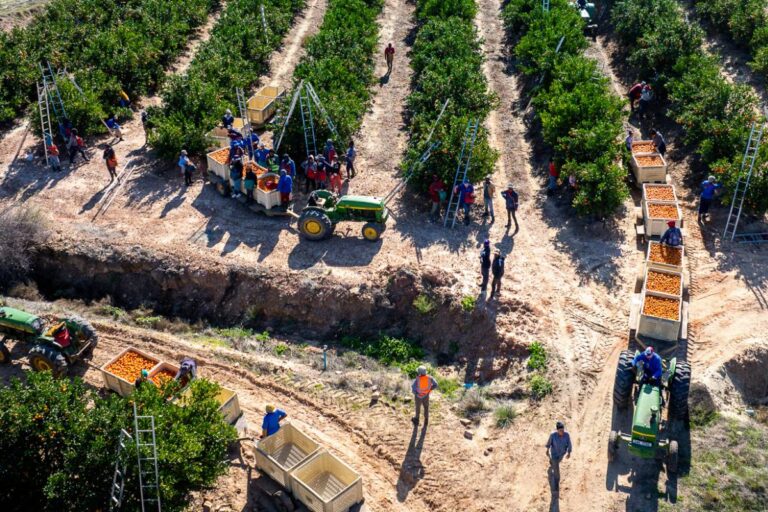
The industry body has also sounded the alarm about the impact of geopolitical disruptions in the Middle East, especially given that the region accounts for approximately 20 percent of South Africa's exports.
“The war has also placed considerable pressure on input and logistics costs, such as diesel and, most notably, shipping rates. Transit times were also affected. The conflict's effects extend well beyond the region, weighing on demand in other markets as well,” The CGA statement reads.
As the season progresses, the industry body is underscoring the importance of quality discipline across the value chain, calling on growers and distributors to ensure the right fruit, of the right quality, reaches the right market.
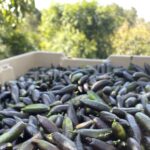
*Main image referential; other images courtesy of the CGA.
Related stories
South African citrus exports projected to grow up to 5 percent in 2026
South Africa: Late mandarin exports stabilize in 2026 with slight drop









Subscribe to our newsletter