The avocado ripeness challenge: The industry is harnessing technology to win over consumers in India
 Add Fresh Fruit Portal to Google
Choosing a ready-to-eat avocado or one that will be perfectly ripe in just the right amount of time can be a difficult task for consumers, especially in markets where the fruit still has low penetration.
This challenge has led the industry to develop technologies to help consumers determine ripeness level in avocados, improving their experience while reducing waste associated with a wrong fruit choice.
This has become increasingly important in markets such as India, where growth potential for avocado consumption is one of the highest globally.
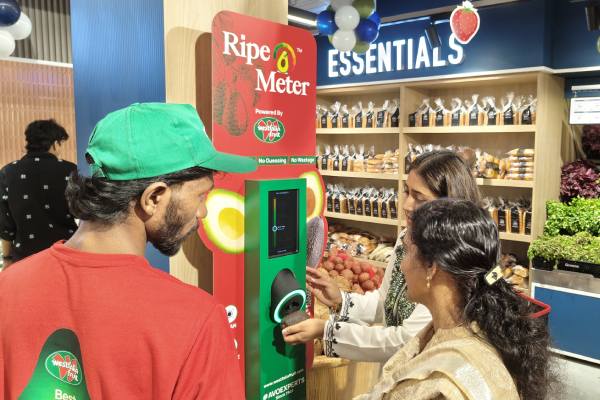
Image by Westfalia
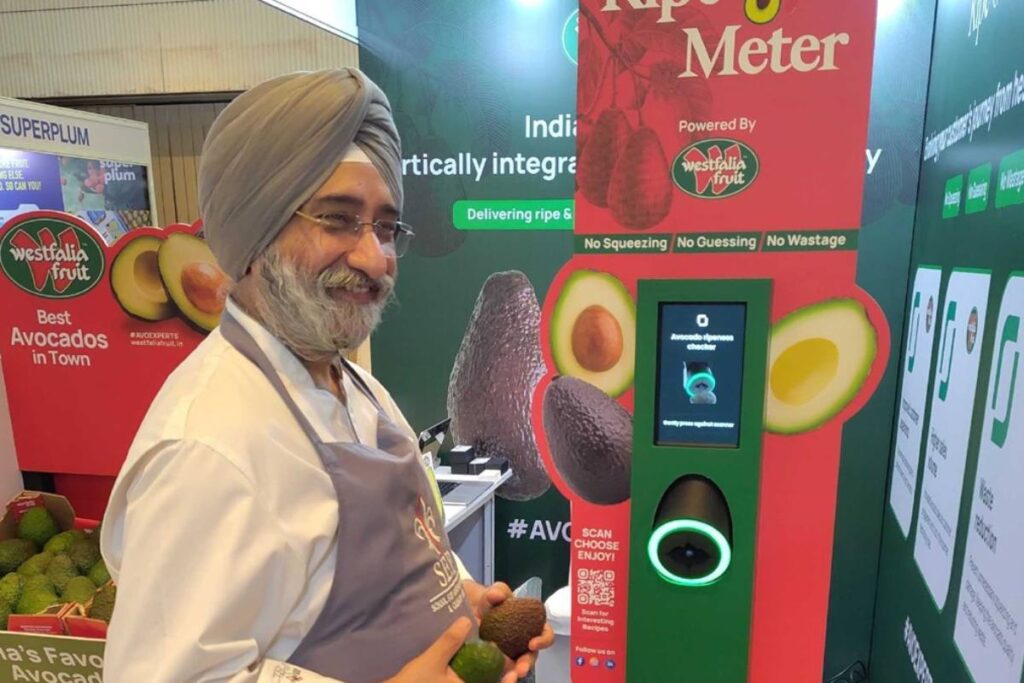
Enter Westfalia Fruit’s Ripe-O-Meter, a tool that is already in five major cities in India and allows consumers to check whether an avocado is ready to eat or needs more time to ripen at the point of sale.
The process is simple: shoppers place an avocado on the device, and it provides the fruit’s ripeness level so that consumers can choose which one to buy based on when they plan to eat it.
"Indian consumers are increasingly discovering avocados, but knowing when the fruit is ready to eat remains a major barrier," said Ajay TG, Market Unit Director India at Westfalia Fruit. "By making it easier to understand the ripeness level at the point of purchase, we can give consumers greater confidence, enhance the eating experience, and help our retail partners generate repeat demand for the category."
Technology to reduce waste
Having a hard time identifying ripeness affects buying decisions but also fruit quality. A common practice among consumers is squeezing avocados to check their state, which can cause bruising and unnecessary damage in display.
A tool like the Ripe-O-Meter can reduce handling and help retailers protect product quality, as well as potentially decrease waste in both stores and homes.
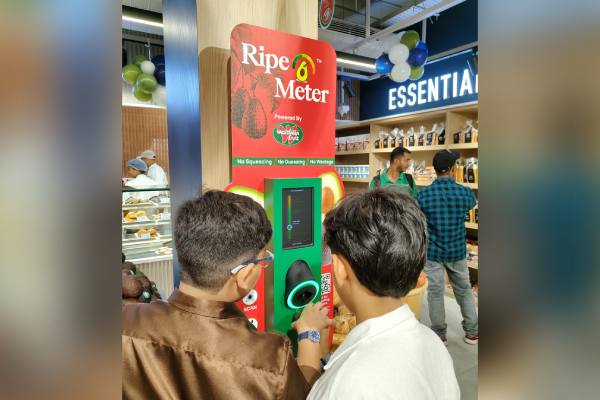
Image by Westfalia
But the device is not the only initiative the company is pushing in the country, including ripening programs, packaging formats, and in-store educational efforts. The strategy is to address the category holistically, from fruit supply to consumption.
"Developing an avocado market requires more than just putting fruit on the shelf. Reliable supply and quality are essential, but long-term growth depends on understanding what prevents consumers from repurchasing and resolving those barriers," explained Hans Boyum, Customer Director for Developing Markets at Westfalia Fruit.
A trend advancing across different markets
Using tech to educate on avocado ripeness is not exclusive to the Indian market.
In the United Kingdom, Cranfield University developed a method using a laser and small vibration to measure the fruit’s resonance frequency, allowing it to reliably determine its ripeness without damaging it and reducing waste by around 10 percent.
Image by Westfalia
More recently, Avocados Australia launched a pilot trial with an in-store ripeness scanner to simplify product selection and boost domestic consumption.
These initiatives reflect one of the industry’s main challenges and help ensure the first avocado experience is a good one as avocados expand in markets where consumers are less knowledgeable about the fruit.
*All images courtesy of Westfalia Fruit.
The second edition of the Global Avocado Summit will be held on November 11, 2026, at the Monticello Casino Events Center in Santiago, Chile. Organized by Paltas de Chile and Yentzen Group, the meeting seeks to bring together the main players in a growing industry
The event has established itself as a key space for addressing commercial and sustainability issues in the industry, bringing together producers, exporters, buyers, certifiers, and innovators to analyze the sector’s challenges and opportunities.
For more info, contact events@yentzengroup.com
Related stories
Coop Norge’s tech-ripe avocados result in a 14 percent increase in sales
Avocados From Mexico boosts consumer reach with AI-based engine