


Breakfast and sliced applications drive avocado menu expansion amid shifting trends, HAB says
 Add Fresh Fruit Portal to Google
Avocados may no longer be the new kid on America’s menus, but they still know how to make an impression at the register. The Hass Avocado Board (HAB)’s Foodservice Quarterly Insights report confirms that, despite the market's constant ebbs and flows, the fruit revenue holds firm.
"Dishes with avocado command a very consistent premium of about $2 over dishes without, a gap that has held true through economic uncertainty and other global shifts," the assessment states.
The price tag has remained stable through inflation and changing economic conditions, with appetizers showing the largest gains and averaging a $3.01 premium.
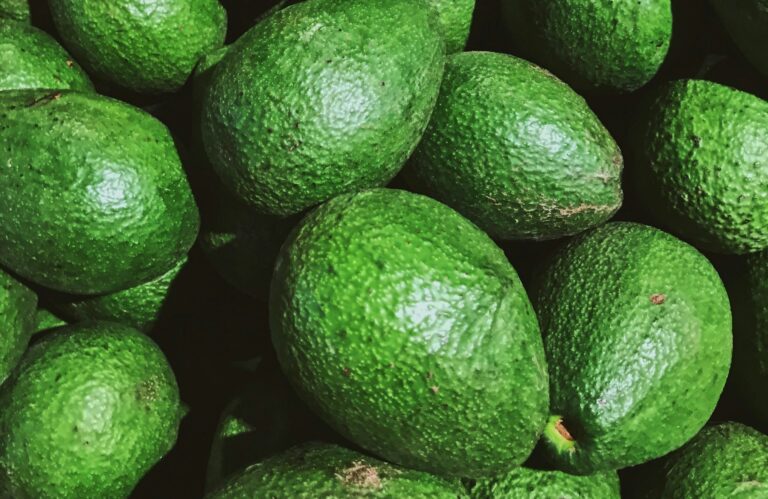
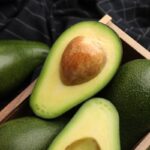
Image by Unsplash
Some individual menu items command even larger differences. Deli salad sides carry a $6.50 premium. Bread appetizers carry a $5.15 premium. Fried protein appetizers carry a $5 premium.
Unsurprisingly, consumer awareness remains high. The report found that 94 percent of US consumers are aware of avocado, with 77 percent saying they have tried it, and 65 percent stating they love or like it.
Avocado breakfast gains
While still an imposing presence, the fruit’s role on restaurant menus is changing, with growth shifting away from guacamole and instead moving toward sliced and diced applications.
Casual dining is the only segment projected to increase its use of guacamole over the next decade, with a forecasted four percent uptick. Conversely, other restaurant segments face slight long-term declines in guacamole menu penetration.
But avo toast fans have made an impression. The breakfast segment has seen particularly strong gains, with usage growing by 50 percent over the past 10 years and penetration standing at 48 percent.
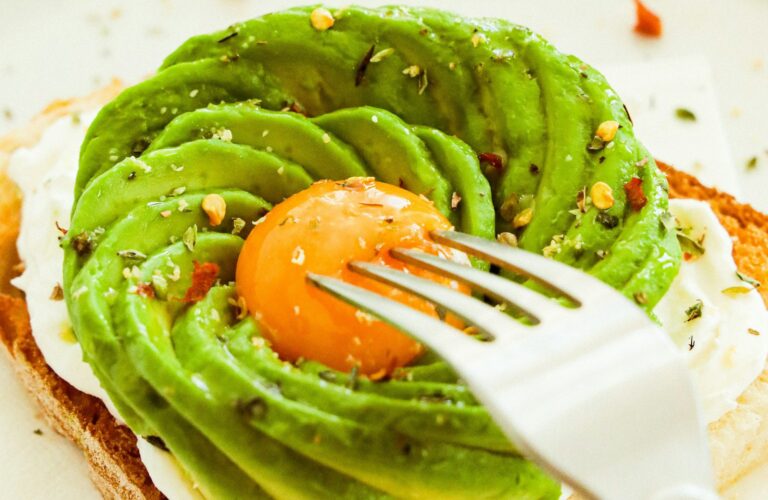
Image by Unsplash
According to the HAB, avocado toast accounts for nearly 45 percent of breakfast menus, while breakfast bowls account for 25 percent.
Many lunch and dinner applications have also become permanent, all-day menu items, the organization notes. Avocado salad makes for the most notable case, breaking into the top 15 applications for the fruit.
“The new format enters at 9.3 percent penetration and six percent growth, displacing Ceviche and Avocado Toast from last wave's most-penetrated dish list," the report states.
Fast-casual restaurants lead the category with 67 percent avocado menu penetration. Casual dining follows at nearly 65 percent, followed by fine dining (57 percent), midscale restaurants (47 percent), and quick-service restaurants (28.6 percent).
Generational breakdown: From Tex-Mex to birria ramen
Younger consumers are, unsurprisingly, the leading force behind the rise of avocados. Gen Z posted the strongest positive shift in sentiment during the latest research wave.
“Trial and affinity both climbed among Gen Z (70 to 73 percent tried it; 55 to 59 percent loved/liked it) even as 'know it' held flat—the strongest positive shift in consumer sentiment this wave," the report notes.

The generation also gravitates toward globally inspired fusion dishes. Gen Z is 65 percent more likely to like or love birria ramen compared with the general population, followed by sushi burritos (57 percent) and elote (44 percent).
“When trying to grow Gen Z avocado attachment, these cross-cultural formats are the perfect category to lean on," HAB advises.
Millennials remain avocado's core audience: They are 43 percent more likely to choose birria tacos and chicken tinga compared to other generations. They are also 23 percent more likely to like or love California rolls and 19 percent to prefer Mexican pizza.

Gen X shows a stronger preference for familiar Tex-Mex formats, including gorditas (29 percent compared to the rest of the population), chalupas (16 percent), and taco salads (13 percent).
Boomers do not over-index on any avocado-centric dish compared with the general population. Instead, the group favors established formats such as fajitas, tacos, and Cobb salads.
Wellness continues to drive demand
One of the fruit’s key selling points from its very introduction, the report identifies several health and wellness trends that could further support avocado demand.
Weight-loss medications are one area to watch. HAB says 11 percent of consumers currently take GLP-1 drugs, while 27 percent are interested in them.
"GLP-1 households have cut grocery spend 5.5 percent and limited-service restaurant spend eight percent over six months. Avocado's whole-food, healthy-fat profile fits exactly where consumption is shifting up," the report says.
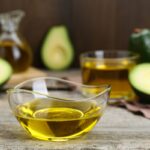
Avocado oil also stands to benefit from changing consumer preferences. The report says 49 percent of consumers use avocado oil as a substitute for seed oils.

High-protein and fiber-focused diets offer another opportunity. While avocado is not a primary protein source, the report says it pairs well with high-protein bowls and salads.
The fruit can also help operators address consumer interest in fiber and gut health, another rising trend.
Clean-label eating is another emerging avenue, where single-ingredient avocado can fit that preference without requiring product reformulation.
“Avocado already carries a 'feel-good' wellness halo without functional additives, well-positioned as consumers want benefits that feel natural, not medicinal," the assessment stresses.
*All images are referential via Unsplash. | Graphs by HAB/DataEssential.
The second edition of the Global Avocado Summit will be held on November 11, 2026, at the Monticello Casino Events Center in Santiago, Chile. Organized by Paltas de Chile and Yentzen Group, the meeting seeks to bring together the main players in a growing industry
The event has established itself as a key space for addressing commercial and sustainability issues in the industry, bringing together producers, exporters, buyers, certifiers, and innovators to analyze the sector’s challenges and opportunities.
For more info, contact events@yentzengroup.com
Related stories