As heat waves hit Europe, Staay offers an alternative to traditional iceberg lettuce
 Add Fresh Fruit Portal to Google
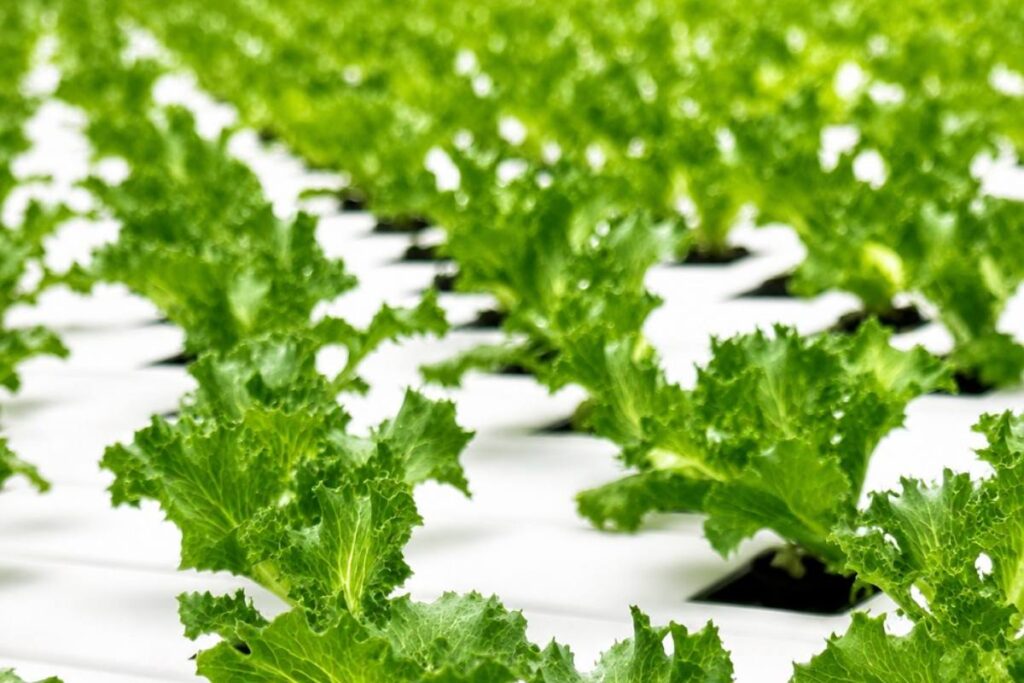
The European market for leafy vegetables is once again under frequent pressure this summer. Heatwaves, drought, and fluctuating availability are causing challenges in the supply of traditional iceberg lettuce at various times. It is precisely now that Staay Food Group is introducing an alternative that responds to this development: iceberg leaf lettuce grown in controlled hydroponic greenhouses.
The launch comes at a time when the sector is increasingly seeking ways to reduce its dependence on weather conditions. Popular outdoor crops such as iceberg lettuce are vulnerable to heat, drought and extreme rainfall. As a result, availability is under pressure, which can lead to erratic supply and rising prices.
Within the retail landscape, an indoor-grown ‘crispy lettuce’ concept is not entirely new, but with the introduction of iceberg leaf lettuce, Staay is deliberately opting for a broader market approach.
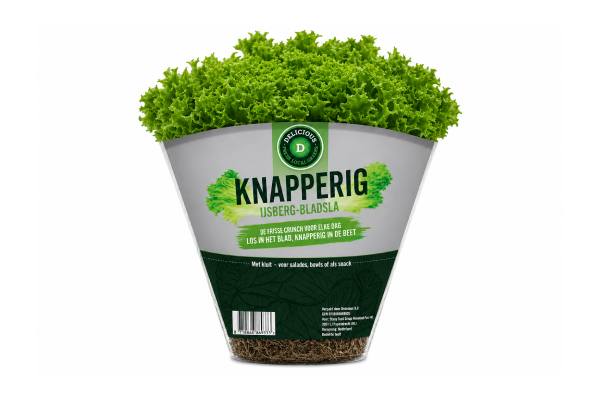
“We are seeing growing demand for reliable availability of leafy vegetables. That is why, together with our partners, we are investing in varieties and concepts that are less dependent on external conditions,” says Michiel Geraedts, the director responsible. The new lettuce variety is initially being tested on a limited scale, but the concept has been developed with a view to further scaling up should the market demand it.
An alternative to a sometimes vulnerable category
The lettuce variety used for the new iceberg leaf lettuce has been developed by seed breeder Rijk Zwaan and is grown for Staay by its cultivation partner Deliscious in a sustainable hydroponic growing environment. The product combines the fresh crunch of iceberg lettuce with the benefits of indoor cultivation, such as a more consistent supply and often more predictable product quality.
The lettuce is supplied with the root ball as standard, which helps to ensure longer freshness, shelf life and retail stability. For foodservice and the processing industry, the heads of iceberg lettuce are, of course, also available without the root ball.
Staay is responding to a changing market
This launch forms part of a wider trend in which the fruit and vegetable sector is seeking ways to make the food supply more resilient to climate change. Michiel Geraedts: “The question is no longer whether climate change will affect the availability of fresh produce, but rather how the sector will respond to it. Controlled growing systems can help ensure greater stability in terms of availability and quality.”
In addition to its own open-field vegetable cultivation, Staay Food Group has also been active in covered lettuce cultivation for many years. The company now offers a wide range of hydroponically grown lettuce varieties from specialized greenhouses in the Netherlands.
With the introduction of iceberg leaf lettuce, the range is being further expanded with a product that capitalizes on the popularity of iceberg lettuce and meets the need for greater supply reliability within the lettuce segment. Precisely at a time when the traditional iceberg lettuce market is under pressure from heat and drought, it is becoming clear how controlled cultivation can contribute to greater reliability in the supply chain.
*All images courtesy of Staay Food Group.
Related stories
University of Florida lettuce crops show full resistance to bacterial leaf spot
No soil, no problem: How hydroponics pose a growing alternative in the face of climate change