Strikes paralyze ports in Germany and the Netherlands, threatening new logistical delays
 Add Fresh Fruit Portal to Google
This is a developing story...
A wave of labor strikes is hitting the main ports of Northern Europe. The stoppages could delay cargo movement and increase logistical congestion at a particularly relevant time for the trade of perishable goods.
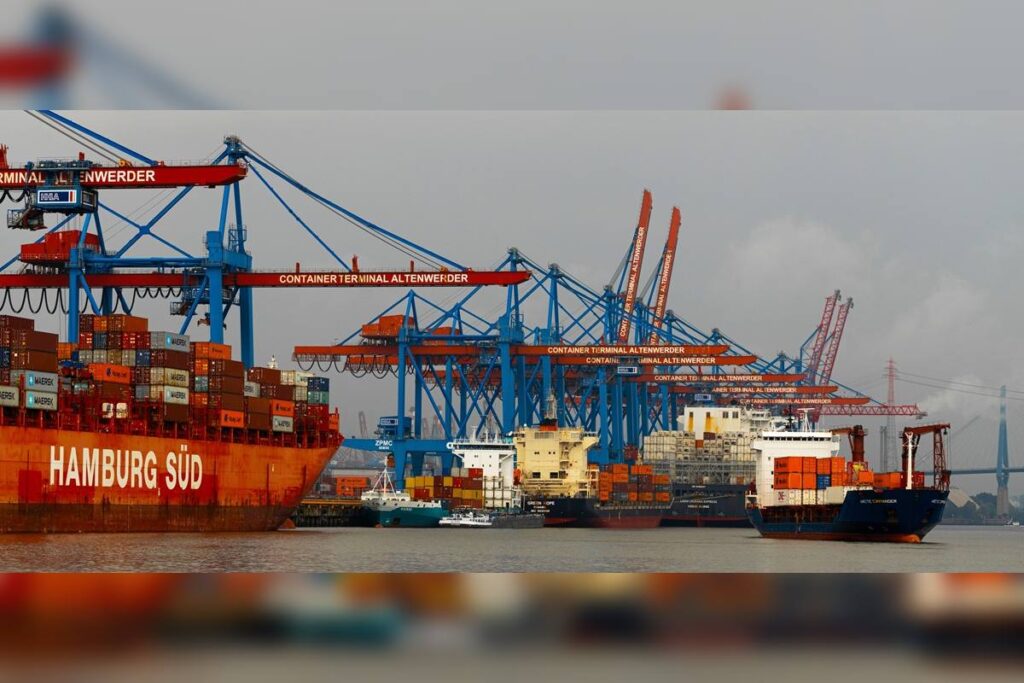
In Germany, port workers began a 48-hour warning strike on Wednesday, September 2, called by the United Services Union of Germany (Vereinte Dienstleistungsgewerkschaft, ver.di). The stoppage follows failed salary negotiations between the union and the Central Association of German Seaport Operators (ZDS).
The strike affects ports such as Hamburg, Bremen, Bremerhaven, Wilhelmshaven, Emden, and Brake.
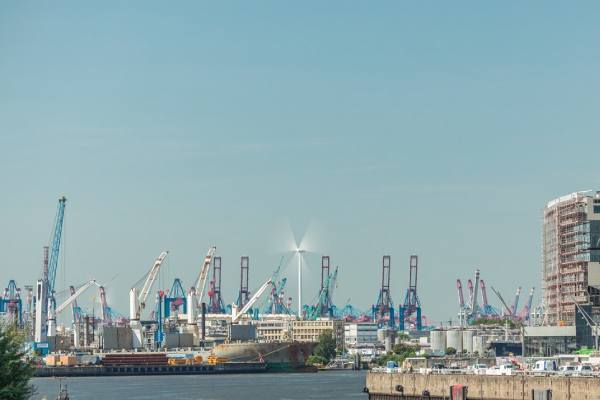
The media outlet NDR reported that the shutdown is already affecting operations. In Hamburg, images from Friday morning showed container cranes stopped, while ship handling has been interrupted or slowed.
Specialized outlet World Cargo News reported that the shutdown is expected to affect container loading and unloading, land transport, and other port operations. Terminals could also face congestion and delays due to difficulties affecting trucks and other vehicles.
Rotterdam joins European strikes
Meanwhile, port workers in the Netherlands began a national strike this Friday, September 4.
The FNV and CNV unions called on workers at the ports of Rotterdam, Amsterdam, and Zeeland to stop their activities between 11:15 a.m. and 7:00 p.m. (local time), impacting ship handling and cargo movement.
Unlike the German strike, the Dutch stoppage follows government plans to cut social security spending, particularly on unemployment and disability benefits.
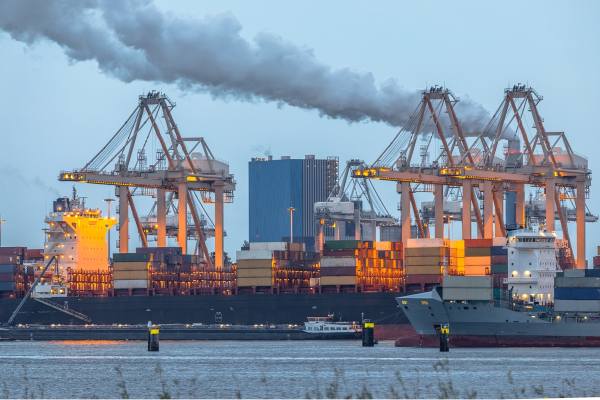
In Rotterdam, one of Europe's main logistics and port hubs, operators have already warned about restrictions on land transport. Some terminals have announced the temporary suspension of truck entry and handling during the strike period, Kuehne-Nagel reported.
Shipping companies warn of possible delays
The timing of both stoppages is causing concern among logistics operators, as disruptions can extend beyond the effective strike hours while terminals return to normal operations.
The shipping company Hapag-Lloyd informed its customers that the strikes could affect ship operations, cargo handling at terminals, and land movements in both German ports and Rotterdam.
The impact could include delays in container loading and unloading, modifications to ship itineraries, and difficulties withdrawing merchandise from the terminals.
For the produce sector, the situation is especially relevant as any extension of transit times could affect import planning and the distribution of perishable products entering Europe through these hubs.
Furthermore, port disruptions occur amid pressure on Northern European transport chains, so operations could take time to recover once the stoppages end.
For now, operators continue to monitor the situation and evaluate possible measures to reduce the impact on supply chains.
*Main photo editorial credit Tobias Arhelger / Shutterstock.com
Related stories
Port workers in the Netherlands call a national strike for September 4