



Wish Farms welcomes a new leadership era with flavor and high-performing varieties at the forefront
 Add Fresh Fruit Portal to Google
At the outset of a new era for Wish Farms, marked by longtime founder and CEO Gary Wishnatski stepping back from leadership, the company is looking to the future with quiet optimism.
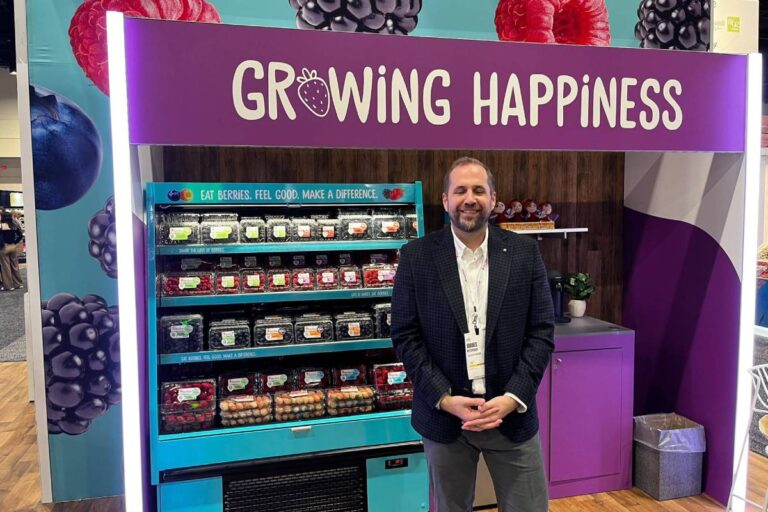
FreshFruitPortal.com stopped by the Wish Farms booth at the Global Produce and Floral Show in Orlando, Florida, to speak to the firm’s newly appointed CEO, James Peterson. The former Chief Operating Officer stepped into the role after Wishnatski, the company's third-generation owner and long-time leader who led the business for 50 years, left the position to become Executive Chairman.
"He's still involved, just a little bit more of taking a step back," Peterson explained. "It's his baby. I think this transition of roles gives him the ability to focus on the things that are important to him, and I can take over all the day-to-day stuff."
Merely four months into the job, the executive outlined his vision and the company’s priorities for the next five years, highlighting Wish Farms’ new genetics development program and a consumer-first approach to marketing.
A 5-year outlook centered on flavor and health
Looking ahead to the next five years, Peterson mentioned flavor as the primary driver of growth in the berry category, noting how retail perception has shifted over time.
"We've seen it now for a number of years where retailers are now finally rewarding genetics programs and rewarding flavor,” he said. “For a lot of years, it was like, 'Hey, we want the best flavor,' but you weren't necessarily being rewarded for those investments."
Peterson emphasized that high-performing varieties are creating sustained growth through repeat purchases rather than simple market penetration. Citing blueberries as a prime example, he noted that improved varieties featuring better taste and "crunchiness" have elevated consumer habits.
"As opposed to buying blueberries once every two weeks, you have people buying blueberries every week," he said.
Alongside flavor, Wish Farms is positioning itself around the emerging "food as medicine" trend. Peterson explained that market research shows a clear shift in how consumers view their diet in relation to long-term health.

"People really do view food as medicine now," Peterson observed. "People worry about brain health and heart health, and they're like, 'What foods can specifically help me, from a dietary perspective, avoid some of that?'”
This shift has made understanding who’s buying and why a crucial element of the company’s promotional strategy, which plans to market specific health benefits directly to consumers to fuel category demand.
Proprietary genetics and controlled growth
To deliver on flavor, Wish Farms is making significant investments in its in-house genetic development, with a primary focus on blackberries and raspberries, which Peterson noted, offer the largest runway for growth due to current inconsistencies in consumer eating experiences.
To lead the endeavor, the company recruited veteran breeder Carlos Fear, formerly of Driscoll's.
"We've been wanting to get into genetics for a long time, but you really have to have the right person leading your genetics," Peterson said. "We were extremely fortunate to get Carlos. I think we felt like this is our opportunity to kind of go all in."
In contrast, and in light of the incredible varietal development that has swept the industry in recent years, Wish Farms is taking a different approach to blueberries. On this front, the firm actively participates in varietal clubs and partners with third-party genetics companies offering premium, high-performing cultivars sought out by leading retailers over general supply.

Wish Farms bets on thoughtful and deliberate growth
Regarding acreage expansion, Wish Farms is taking a conservative, controlled approach amid industry-wide cost pressures.
Peterson criticized "reckless growth" driven by outside capital in produce, emphasizing that acreage expansion must align strictly with demand forecasting and grower sustainability.
"It's not about beating the marketer next door by a nickel,” he said. “If at the end of the year that grower didn't have a good year, then we need to understand why and how we can position our programs to help them become more sustainable.”
The CEO said the company has benefited greatly from this careful approach in the past and hopes to continue to see the fruit in years to come.
“We've grown a lot in the last 10 years, so a lot of the bets we've made have paid off,” he concluded. “I don't think you'll see us get too far out in front of our skis unless we truly believe it's the right opportunity for us."
Reported by Ed Vernon in Orlando, FL.
*Main image by Ed Vernon; other images are referential via Shutterstock.
Related stories
Mexican raspberry and blackberry shipments step up as El Niño weighs on Peruvian supply
Fall Creek’s Paul Nselel: “Better berries can grow demand as well as replace older varieties”