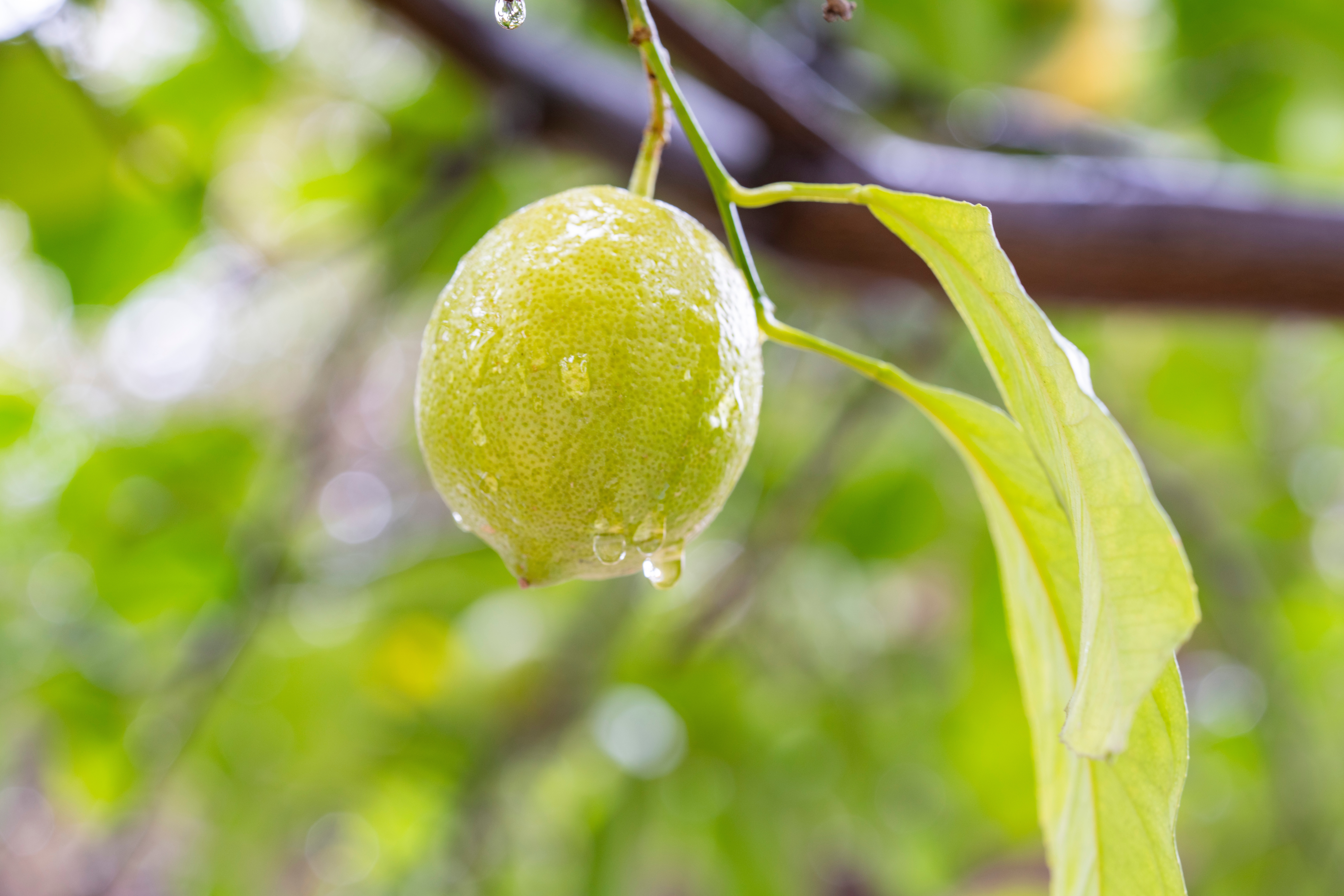
ASAJA Murcia forecasts a 30 percent drop in Fino lemon harvest for the 2026/27 season
 Add Fresh Fruit Portal to Google
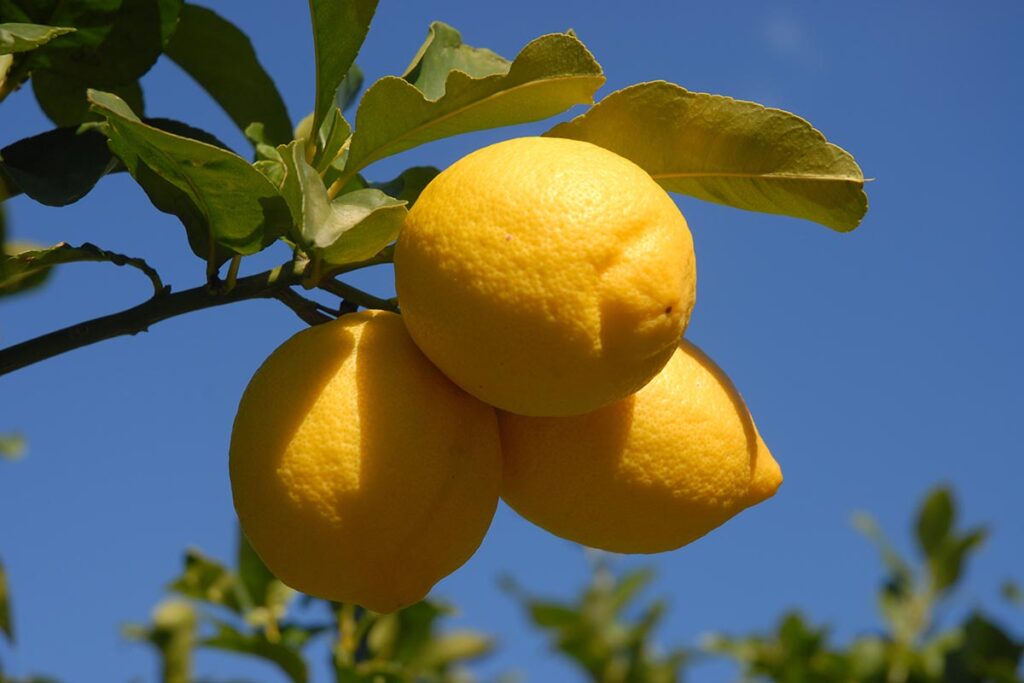
The agricultural organization ASAJA Region of Murcia estimated that Fino lemon production will fall by around 30 percent during the 2026/27 season compared to the previous cycle, based on initial assessments in the region's main producing areas.
Although this is a preliminary estimate to be confirmed in the upcoming months, the industry body said that lower fruit availability could create a better supply-and-demand balance and drive up profits.
However, final harvest results will depend on factors such as the incidence of pests and diseases, climatic conditions, water availability, and the volume of fruit with the sizes and quality standards required by the markets.
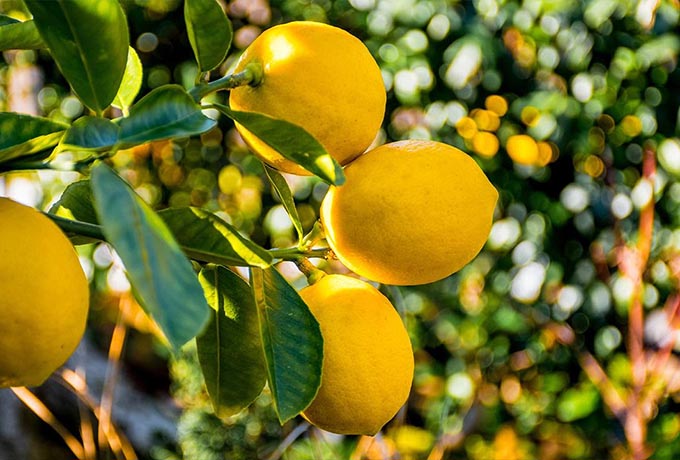
ASAJA Murcia said that the start of the season presents positive conditions for the sector, considering the expected reduction in Spanish production and strong European demand.
These factors could sustain attractive prices for much of the season, the organization said, replicating the behavior observed in the previous campaign, when a better balance between supply and demand favored the Spanish lemon market.
Türkiye would reduce competitive pressure on lemons
One thing that could benefit the Spanish season is weaker competition from Türkiye at the start of the season.
According to ASAJA Murcia, frosts and cold spells recorded in the main Turkish citrus areas have affected their productive capacity, reducing the presence of the country’s lemons in Europe during September and October, just in time for the marketing of Spanish Fino lemon.
However, the organization noted that it will be necessary to closely monitor the recovery of Turkish production and the volume of exports that finally reach the European market.
Attention to imports from the Southern Hemisphere
ASAJA Murcia will also be monitoring imports from South Africa and Argentina.
The coincidence between the last shipments from the Southern Hemisphere and the start of the Spanish season could influence the supply available in Europe and, therefore, the evolution of prices at origin.

In this context, the entity requested transparent and updated information on the volumes imported during the first weeks of the season.
Quality, traceability, and compliance with European standards continue to be the main differentiating attributes of the Murcia lemon, said ASAJA Murcia, which urged competition based on excellence rather than price.
Despite the favorable scenario, the industry body warned that structural challenges persist for the sector, including high production costs, water availability, and the need for effective phytosanitary tools against the health threats affecting citrus fruits.
*All images are referential.
Related stories
Lower northern supplies boost Argentine lemon exports
A look into the 2026 Southern Hemisphere citrus season
Global lemon and lime production to dip in 2025/26 as EU and Türkiye face yield losses