







Welcome to the guacamole era: Industry projects major market expansion as consumer curiosity rises
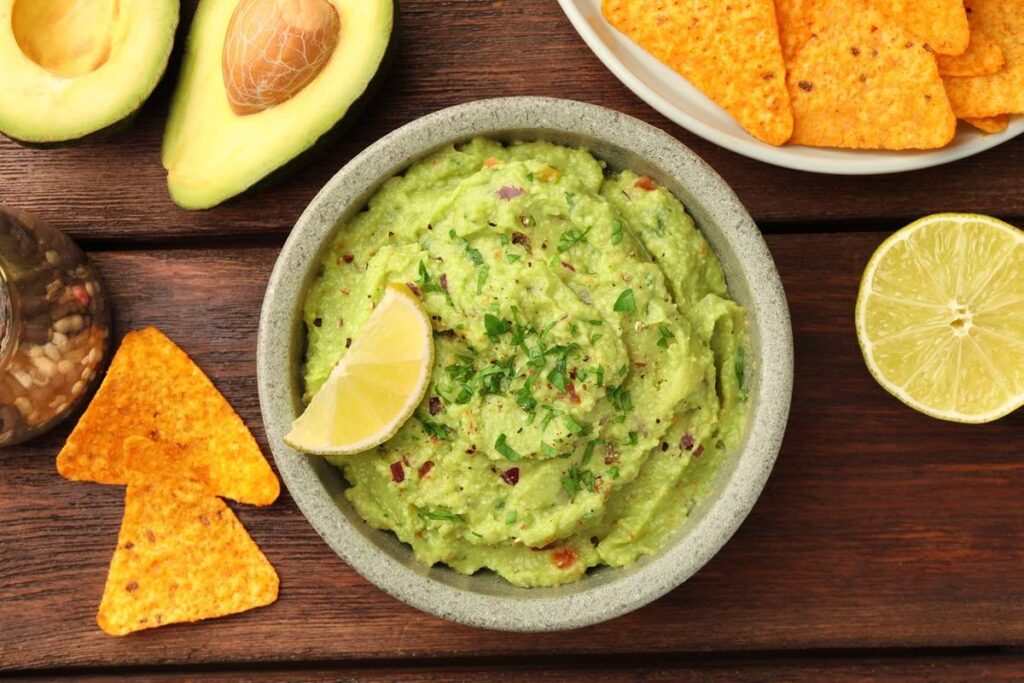



The global guacamole market is projected to reach $686.2 billion by 2033, up from an estimated $468.6 billion in 2026, with a compound annual growth rate (CAGR) of 5.6 percent during the period, according to the latest report by Persistence Market Research.


Growth is driven by rising interest in avocado-based foods, the preference for healthy fats, and the search for alternatives that require little preparation.
The report highlights that guacamole has expanded its applications and is now used in sandwiches, burgers, wraps, salads, tacos, bowls, and prepared meals, in addition to its traditional use as a dip.
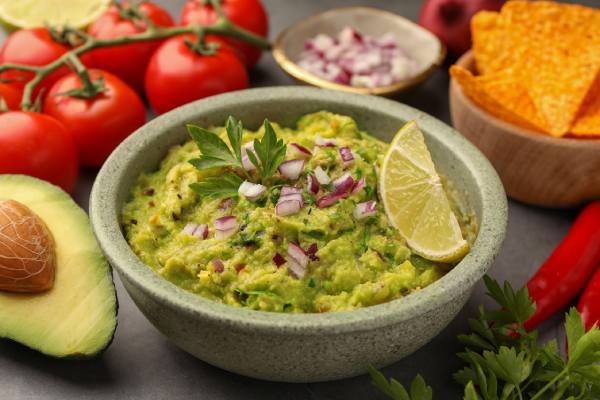
Image by Shutterstock
New guacamole formats and technologies
The industry is diversifying its offerings through refrigerated, frozen, long-shelf-life, organic, preservative-free, and single-serve products, the document indicates.
Meanwhile, advances in processing and preservation aim to extend guacamole's shelf life. Notable among these technologies is high-pressure processing (HPP), which reduces oxidation without resorting to intensive heat treatments.
Innovation is also seen in formulations, with spicy, roasted, herbal, citrus, organic, vegan, and protein-enriched varieties.
North America is leading guacamole demand
North America represents one of the main markets for guacamole, favored by high avocado consumption, the influence of Mexican and Latin American cuisine, and an extensive distribution network.
The United States stands out, as the dip has become a ubiquitous presence in restaurants, supermarkets, snacks, and home meals.
On the other side of the Atlantic, European demand is linked to interest in plant-based diets, healthy snacks, and premium dips. The expansion of Mexican restaurants and international gastronomic concepts is also favoring its adoption.
Meanwhile, Asia-Pacific shows a rapid growth outlook, driven by urbanization, rising incomes, modern retail development, and greater exposure to international cuisines. E-commerce and delivery services also facilitate access to imported and specialized products.
Image by Shutterstock
Opportunities for the avocado industry
For Latin America, market development presents an opportunity to add value to avocado production through processed foods, leveraging both regional consumption and export possibilities.
Sustainability is also becoming increasingly relevant for the sector. Responsible sourcing of raw materials, efficient water use, agricultural practices, packaging materials, logistics, and waste reduction have become priorities for consumers and retailers alike.
At an operational level, technologies such as artificial intelligence (AI) and the Internet of Things (IoT) are increasingly being incorporated into the supply chain to improve demand planning, inventory management, storage condition monitoring, and traceability.
The second edition of the Global Avocado Summit will be held on November 11, 2026, at the Monticello Casino Events Center in Santiago, Chile. Organized by Paltas de Chile and Yentzen Group, the meeting seeks to bring together the main players in a growing industry
The event has established itself as a key space for addressing commercial and sustainability issues in the industry, bringing together producers, exporters, buyers, certifiers, and innovators to analyze the sector’s challenges and opportunities.
For more info, contact events@yentzengroup.com
Related stories
Avocado set to become world's most traded tropical fruit by 2035











Subscribe to our newsletter