Spanish household mango consumption sees 33 percent rise
 Add Fresh Fruit Portal to Google
Mango is gaining ground in Spanish households. Domestic consumption reached 49,857 tons in 2025, compared to 2024's 37,366 tons, a 33.4 percent rise in just one year, according to data from the Spanish Household Food Consumption Panel of the Ministry of Agriculture, Fisheries and Food (MAPA).
The figure encompasses all mangoes purchased by Spanish households, regardless of origin, confirming the dynamism of a category that continues to gain presence in EU shopping baskets. In this context of growth, origin acquires special relevance. Compared to a category available year-round, European mango has its own commercial window and a key advantage linked to proximity, allowing less time between harvest and consumer.
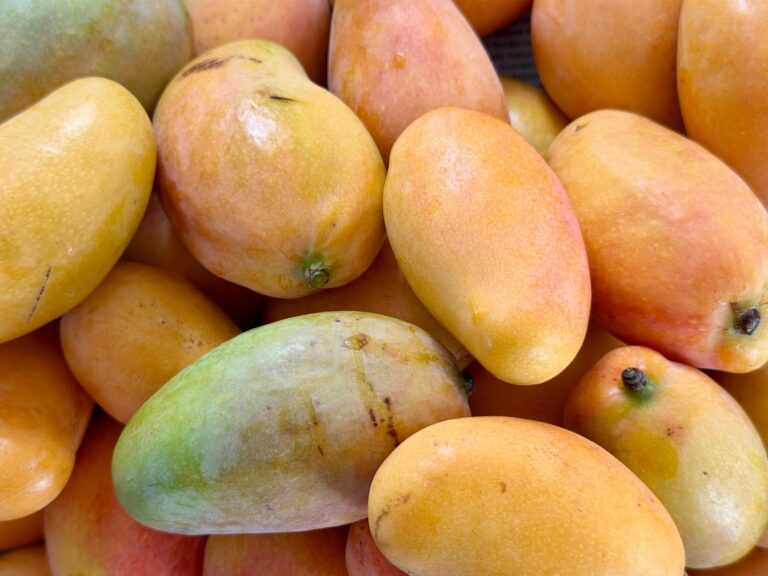
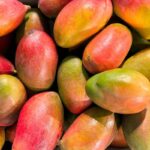
Image by John Cameron via Unsplash.
Right now, the new campaign for European mango grown in Spain is beginning. Its season starts at the end of summer, peaks in volume in September and October, and can extend a few more weeks depending on varieties and production areas.
Proper maturity and proximity, less time to the consumer
Proximity to main European markets allows mangoes to be harvested at an adequate stage of physiological maturity and significantly reduces the time between harvest and point of sale.
This shorter distance helps preserve its organoleptic qualities—aroma, flavor, and texture—and supports a better consumption experience.
This is one of the main challenges of this expanding category. Mango is increasingly present in households, but its origin, seasonality, and the differences associated with different origins are not always recognizable at the time of purchase.
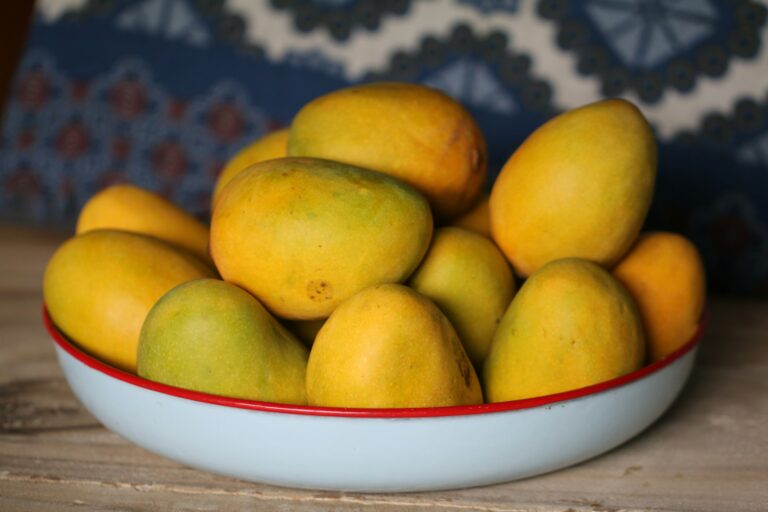
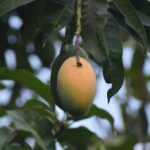
Image by Hotchicksing via Unsplash.
“Mango is already part of many Spanish households' shopping baskets, and now the next step is for consumers to also be able to choose knowing its origin. European mango has its own season and a clear advantage: proximity lets it be harvested at adequate physiological maturity and greatly reduces the distance and time to the consumer. That can make an important difference in the eating experience,” explains Antonio Carpintero, General Manager of the non-profit Interprofessional Organization of Avocado and Mango (INTERTROPIC).
A European crop with Spanish roots
Spain is the main producer of mango in the European Union, with cultivation concentrated mainly in the Axarquía of Málaga and the Costa Tropical of Granada.
The area dedicated to this crop currently stands at around 6,150 hectares, according to MAPA's Crop Area and Yield Survey. In addition, operators declared nearly 55,500 tons of mango to INTERTROPIC during the 2025 campaign, virtually all from Andalusia.
The campaign begins with early varieties such as Irwin and, to a lesser extent, Tommy Atkins, before making way for Osteen, the main variety of European mango grown in Spain. Subsequently, Kent and especially Keitt—with a later cycle and second in importance—extend product availability at points of sale for several weeks.
Much more than a dessert
The evolution of consumption also reflects mango's growing presence across different occasions and preparations. Its balance between sweetness, acidity, and freshness allows it to be incorporated far beyond dessert, from breakfasts and snacks to salads, fish, cheeses, sauces, or savory and spiced dishes.
This versatility was a central theme of the event held on September 8 at the Teatro Sofía in Madrid, marking the presentation of the season for European mango grown in Spain.
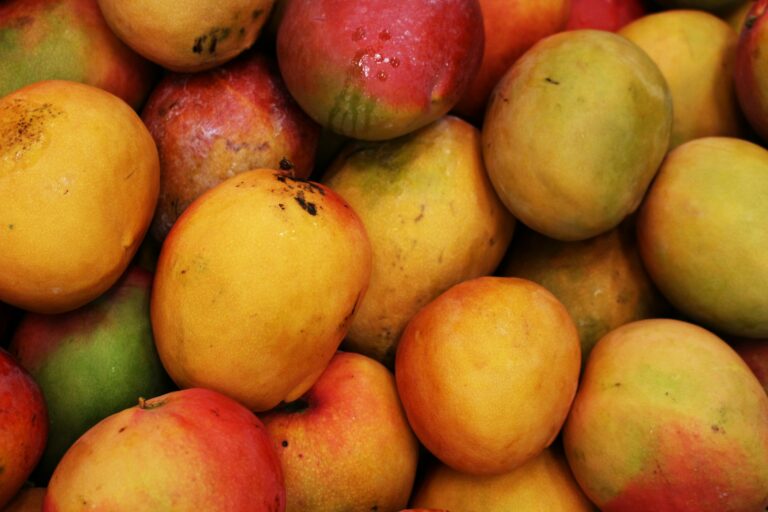
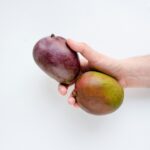
Image by Daniel Dan via Unsplash.
The meeting brought together sector representatives and experts in wellness, nutrition, and physical activity, turning the stage into an experience centered on the five senses. Through different audience-led activities, attendees experienced how sight, smell, taste, touch, and hearing influence the perception of food.
Chef Jorge González Méndez completed the day with a showcooking and a gastronomic brunch featuring European mango in various sweet and savory dishes.
A campaign so consumers look at origin too
The presentation is part of ‘Avocado and Mango of Europe: Fruit with Heart’, an outreach campaign promoted by INTERTROPIC, the Interprofessional Organization of Avocado and Mango, and co-financed by the European Union.
The initiative is structured around two programs in Spain, France, Italy, and the United Kingdom, which together will mobilize more than 9 million euros until 2028. European Union co-financing reaches 70 percent in the program targeted at the internal market — Spain, France, and Italy — and 80 percent for the United Kingdom.
Its objective is to increase knowledge and consumption of European avocados and mangoes and help consumers better recognize their origin, season, and distinctive features.
In this mango-focused phase, the campaign aims to bring a product increasingly present in homes closer to the public and explain what European production contributes in terms of proximity, seasonality, and the consumption experience.
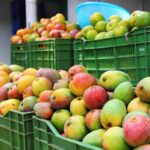
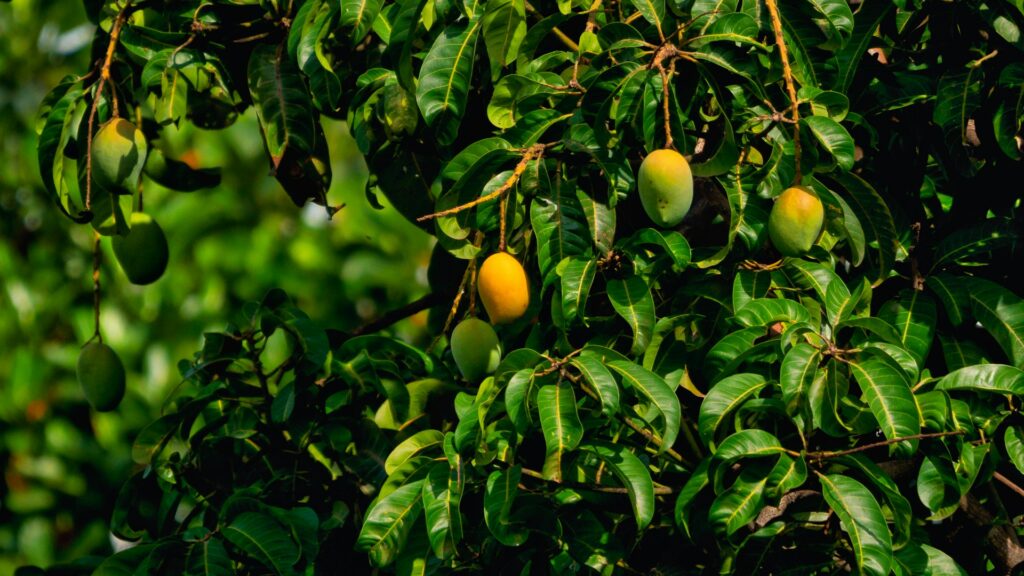
*Main image by Rajendra Biswal via Unsplash.
Related stories
Mexican mango output faces sharp decline amid weather extremes
Philippine Carabao mango makes Canada debut
Spanish kaki persimmon crop bounces back, promising longer seasonal programs