The ag industry’s biggest pain: University of Florida researchers tackle workplace strain
 Add Fresh Fruit Portal to Google
For many nursery and landscape workers, a sore back is hardly a reason to call it a day. But while often most continue working through the pain, a recent University of Florida-led study is sounding the alarm on potential implications for the industry and future health complications for those involved.
The study, led by scientists at UF’s Southeastern Coastal Center for Agricultural Health and Safety (SCCHS), highlights the need for practical strategies to manage symptoms and reduce physical strain on the job.
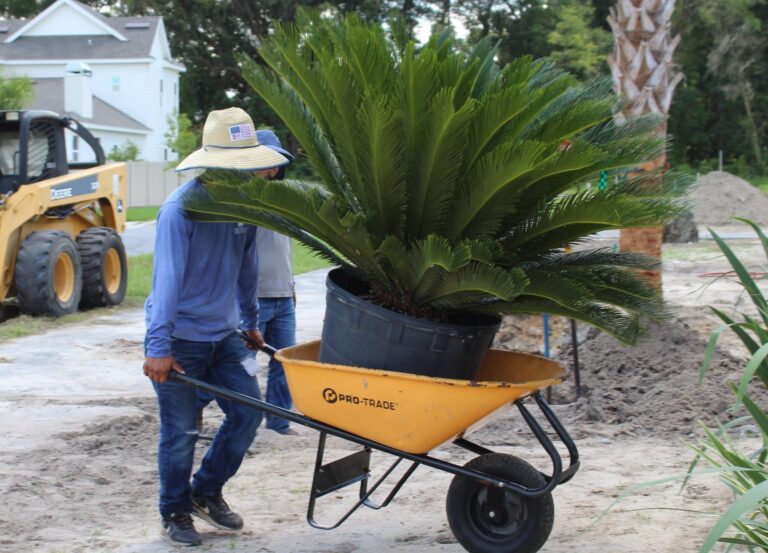
Image by University of Florida
The project’s first phase evaluated supervisors, laborers, and insurance consultants from the nursery and landscape industry, and found that the physical toll can also have detrimental effects on both productivity and long-term health.
“Back pain can also lead to relying on pain medication, such as opioids and muscle relaxers, or over-the-counter medications, like acetaminophen and anti-inflammatories, with negative health side effects,” explained Kim Dunleavy, lead researcher and a clinical professor in the Department of Physical Therapy in UF’s College of Public Health and Health Professions.
Researchers test workplace strategies
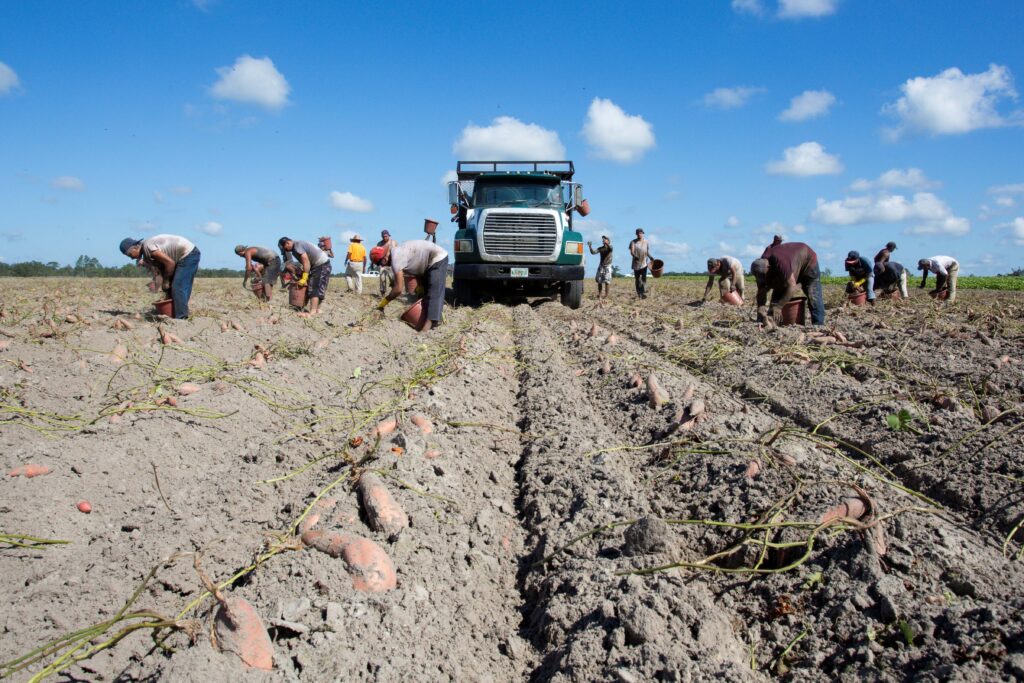
Laborers reported spending long hours lifting plants, carrying materials, digging, and maintaining bent or awkward positions. Participants said working through pain can provide short-term benefits but may contribute over time to injuries, burnout, lost productivity, and difficulty retaining experienced employees.
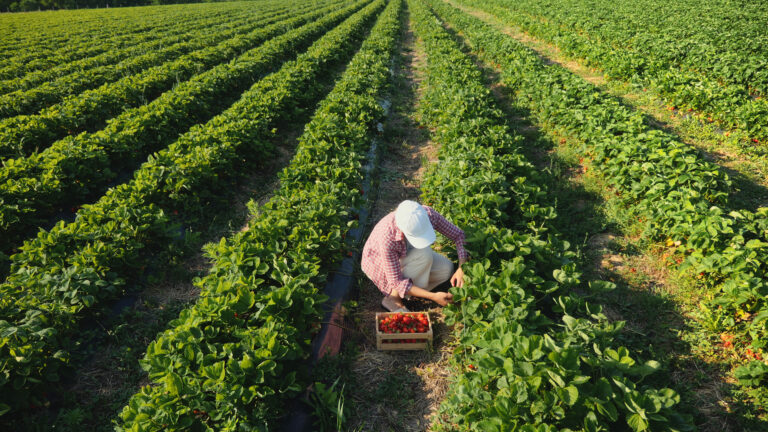
Image by Shutterstock.
Based on this input, researchers developed short videos covering medication risks, including opioids, alternatives for managing pain spikes, and simple ways to modify tasks to reduce physical strain. English- and Spanish-speaking workers watched the videos and applied the strategies presented.
“Participants in the study were grateful to their companies for making it possible for them to participate and commented on the importance of options to help them continue to work and to reduce their pain,” Dunleavy said.
Preliminary findings showed improvements in task difficulty and pain, Dunleavy said.
“Workers shared ways to adjust tasks with others rather than ignoring the pain, allowing them to ask for or offer help,” she stressed.
Supervisors are key to prevention
Because much horticulture training happens on the job, supervisors can be among the first to notice when workers are struggling and guide them on safer practices.
Workers, business owners, and industry consultants similarly identified crew leaders and supervisors as important influences on workplace culture and safety.
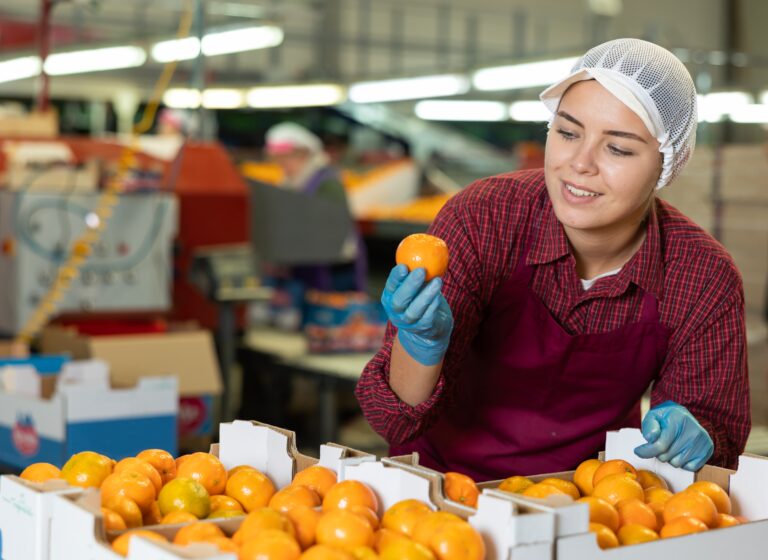
Image by Shutterstock.
Dunleavy said a workplace culture that encourages employees to speak up about pain, combined with supervisors trained to reinforce safe habits, could help reduce injuries and retain experienced employees.
As one of the first studies to examine a combination of pain self-management and risk-reduction methods in horticulture, Dunleavy said the approaches could be implemented in other agricultural settings.
*Main image by University of Florida.
Related articles
University of Florida research aims to cut $130M cost of strawberry runners