University of Florida research aims to cut $130M cost of strawberry runners
 Add Fresh Fruit Portal to Google
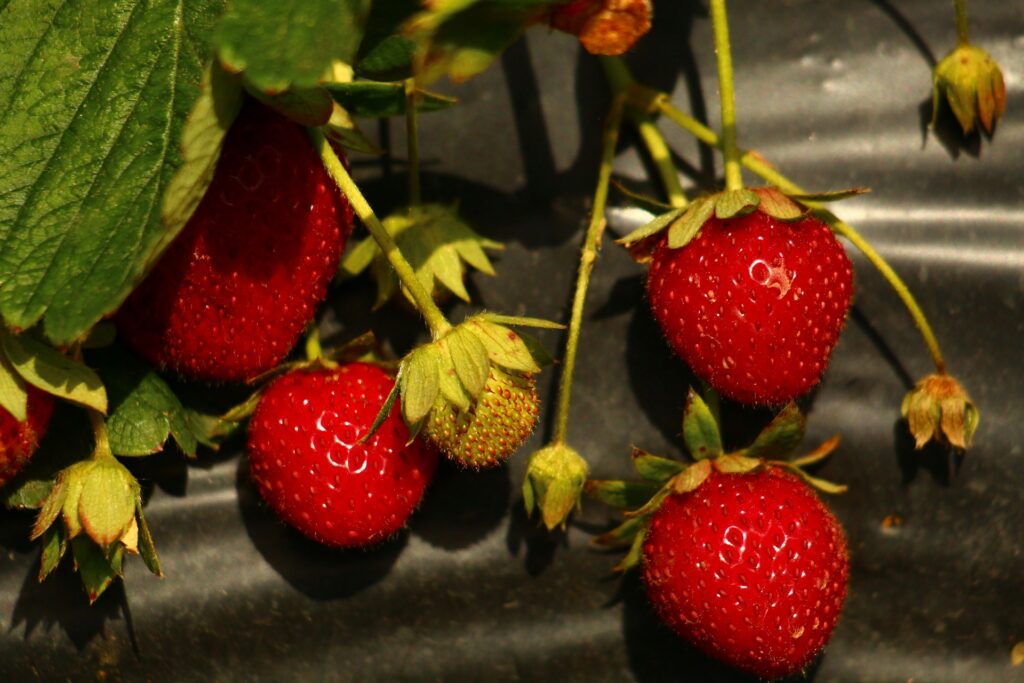
A University of Florida (UF) researcher is targeting a costly production challenge: strawberry runners—vegetative offshoots that divert energy from fruit development and reduce yields. Their management is reportedly costing United States growers an estimated $130 million annually.
Kaitlyn Vondracek, a doctoral student at UF’s Institute of Food and Agricultural Sciences (IFAS), is studying the genetics of runner formation to help growers reduce labor-intensive removal practices and improve productivity.
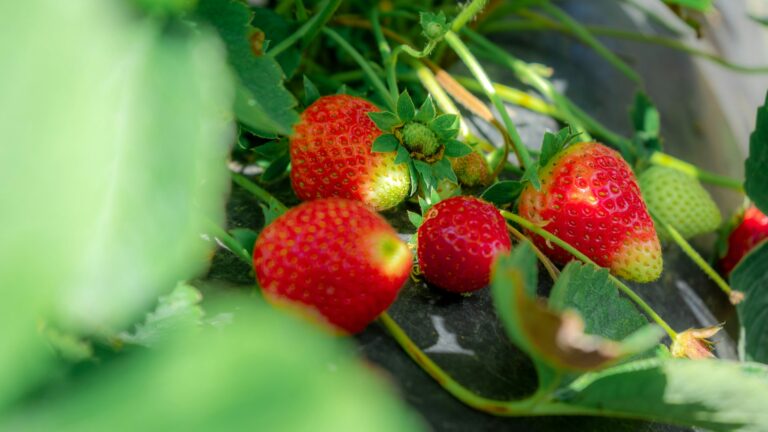
In nurseries, strawberry runners are essential for producing daughter plants for transplant. In commercial fruiting fields, however, runners compete with berries for resources, negatively impacting production.
“Growers have found that removing runners from plants in the field improves both the quality and yield of the fruits,” Vondracek said. “As such, it’s become a standard process for growers to trim runners from fruit-producing plants.”
This process typically requires manual labor, adding high cost at a time when growers face ongoing labor shortages and rising wages.
Seonghee Lee, an associate professor of horticultural sciences and Vondracek’s advisor, said the research aims to reduce that burden through plant breeding.
“Across the United States and globally, low-runner strawberry varieties have strong potential to improve sustainability, especially in regions facing similar labor constraints,” the academic said.
DNA for strawberry runners management
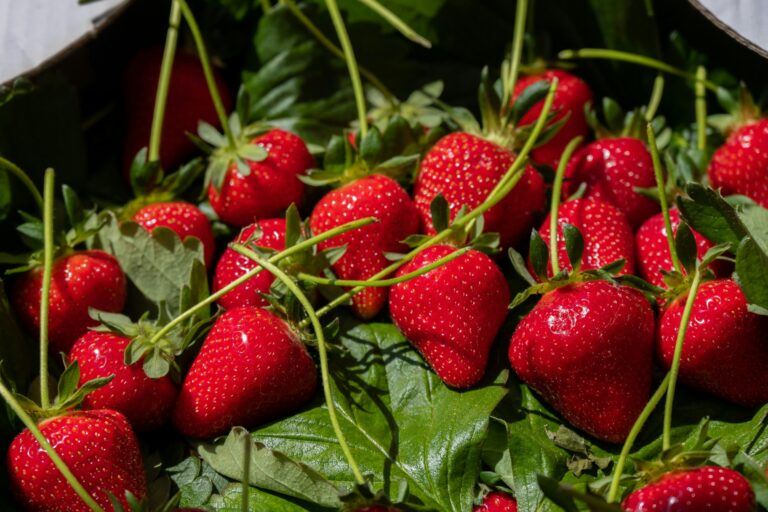
The research, expected to conclude later this year, focuses on identifying genetic markers that control runner production.
The goal is to develop varieties that produce fewer runners during fruiting in regions such as Florida, while still producing abundant runners in nursery environments such as Oregon or Canada.
“To do this, we find the parts of DNA that control runner growth,” Vondracek said. “With traditional breeding, combined with DNA technology, we use simple tests to pick the best breeding parents and seedlings with the variants that we know are associated with our desired trait—in this case, fewer strawberry runners. This gives both benefits: low runners in fruit fields (lower labor costs), and plenty of runners in nurseries for easy propagation.”
*All pictures are referential.
Related articles:
Extreme weather sparks stunning 32 percent surge in US strawberry prices
The US strawberry industry is expected to have an expanding, yet rocky, 2026
Mexican strawberry industry calls for calm in the midst of the US anti-dumping probe