


Westfalia Fruit’s operations now use 58 percent of renewable electricity, the company says
 Add Fresh Fruit Portal to Google
Global avocado powerhouse Westfalia Fruit updated its Sustainability Strategy, rising the share of renewable electricity in the company’s operations from 18 percent in 2021 to 58 percent in 2025.
The firm’s Sustainability Strategy centers on efficient water use, carbon management, waste reduction, and biodiversity protection, and these priorities are already visible across the business.
“The updated strategy reflects where Westfalia Fruit wants to go as a business,” the company said in a statement. “As the company sharpens its focus on avocados, it wants to lead on the issues that matter most for the future of the category and give customers credible evidence of its progress.”
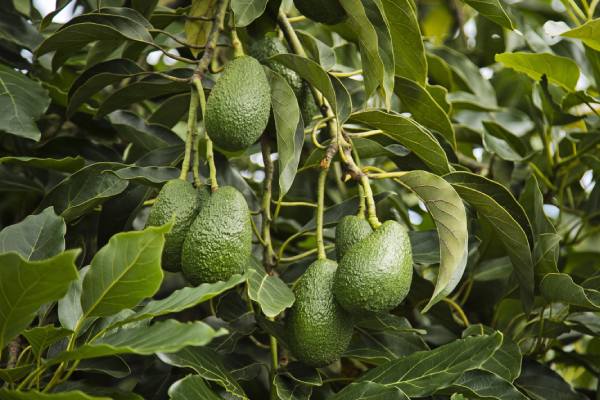
A more sustainable operation for Westfalia Fruit
In 2025, Westfalia Fruit’s renewable electricity consumption reached 34,653 MWh, supported by both on-site solar generation and certified renewable electricity purchased through instruments such as I-RECs and Guarantees of Origin.
The new benchmark contributed to a reduction in Scope 2 emissions of around 50 percent over the same period, with several packhouses across the UK, Peru, Chile, the US, and France now operating on 100 percent renewable electricity.
“Sustainability has been part of how we farm from the very beginning,” says Johnathan Sutton, Chief R&D and Sustainability Officer at Westfalia Fruit. “What is different now is that we measure it site by site and act on what we find. We want to bring the same discipline to water, carbon, waste and biodiversity, working closely with growers, customers and partners as we go.”
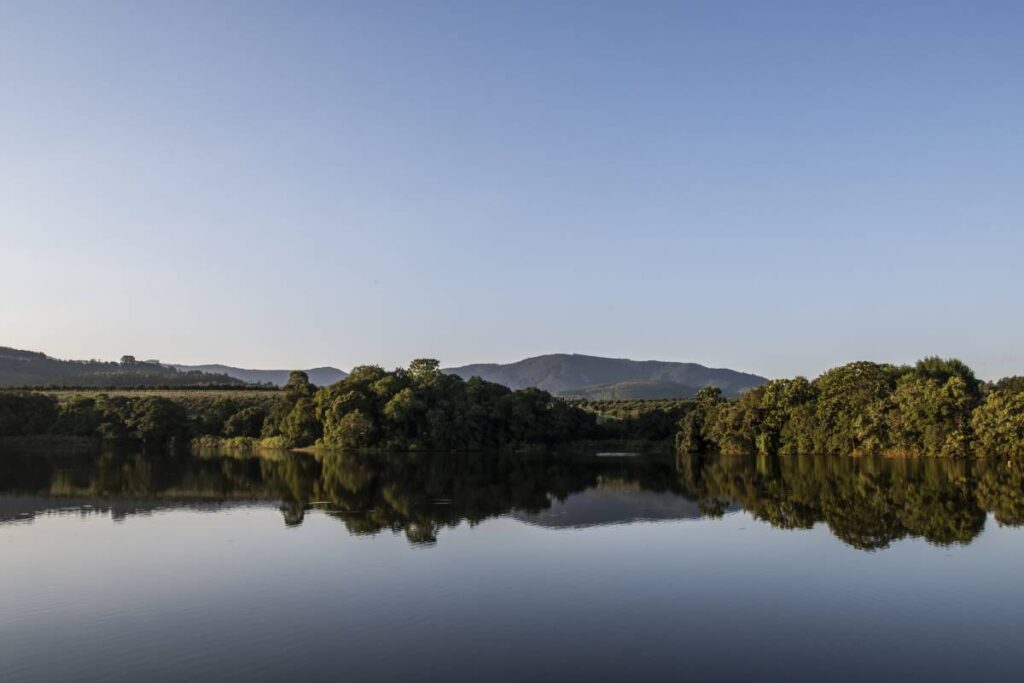
In Chile’s Aconcagua Valley, one of the country’s most important fruit-growing regions, Westfalia Fruit is a partner in the WAVE Aconcagua Collective Action Project.
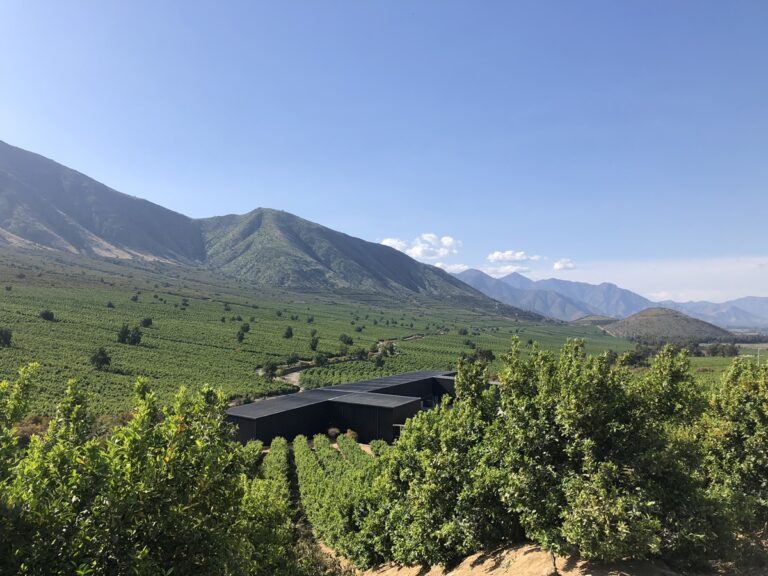
Image by WAVE Project
Since 2021, the project has brought together 15 producers, international fresh produce companies, government, and technical partners to tackle risks that no single farm can solve on its own, such as water scarcity, soil health, and biodiversity loss.
On its farms, Westfalia Fruit has partnered with One Carbon World to measure how much carbon is stored in its trees and soil. Baselines have been established on eight farms in Chile, Peru, and South Africa, giving the company a clearer picture of the role its orchards play in its overall carbon balance.
Creating impact from the root up
Developed with specialist support from NewForesight, the strategy is shaped by where the business has the greatest impact and by what customers, retailers and regulators expect.
Each business unit has its own roadmap for water, carbon, waste and biodiversity, based on the risks and opportunities in its region, with carbon linked to the group’s long-term target of Net Zero greenhouse gas emissions by 2049.
For customers, the strategy means clearer information on how their fruit is produced: what has already been achieved, what is still being built, and where working together can speed up progress.
The same long-term thinking shapes how Westfalia Fruit works with growers and their communities, from its own orchards to partnerships with smallholder growers.
*All images courtesy
Related stories
Westfalia Fruit shifts its strategy for avocado growth in Asia