


Agronometrics in Charts: US fresh fruit prices outpace grocery inflation as supply tightens
 Add Fresh Fruit Portal to Google
Each week, the series ‘Agronometrics In Charts’ examines a different horticultural commodity, focusing on a specific origin or topic and visualizing the trade market factors driving change. Check out our entire archive.
Fresh fruit prices in the United States are rising faster than the rest of the grocery basket. In its October Food Price Outlook, the US Department of Agriculture's Economic Research Service (ERS) forecasts that retail fresh fruit prices will average three percent higher in 2026 than in 2025, up from its September forecast of 2.5 percent. Grocery prices overall are forecast to average 2.3 percent higher
September drove the revision. Retail fresh fruit prices rose two percent from August, one of only three grocery categories to move by one percent or more in the month. They were five percent higher than a year earlier, against 1.8 percent for groceries overall.
The increase is broad: in August, apple, citrus and "other fresh fruit" prices were all above year-earlier levels, with bananas the exception. The "other" group, which includes berries, avocados, grapes and melons, makes up 59 percent of the fresh fruit index.
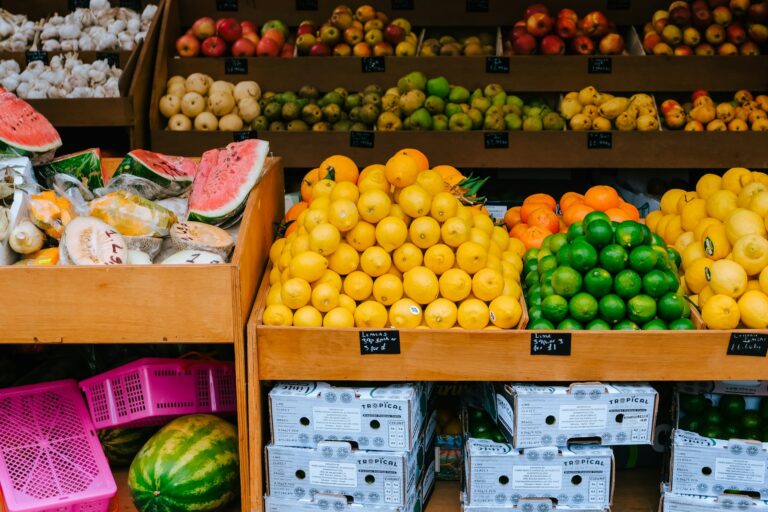
Photo by Samuel Regan Asante via Unsplash
Tight supplies drive fresh fruit prices up
Growers are seeing a late-season lift. Farm-level fruit prices jumped 8.6 percent from August to September, and were nine percent above September 2025. Even so, ERS forecasts they will end 2026 down two percent, which points to weaker grower prices earlier in the year.
Part of the September rise is seasonal, as grower fruit prices usually peak between August and October. Because producer prices tend to lead retail prices, firmer farm-gate prices could keep shelf prices elevated into the winter.
Smaller domestic crops are adding to the pressure. USDA forecasts lower 2026 production of apples, peaches and pears, with peaches down 15 percent. Rain in California also cut strawberry shipments in late October, pushing conventional prices to between $20 and $22 per flat.
The next test comes as Southern Hemisphere imports take over from domestic supply, and as retailers find out how far shoppers will accept higher prices.
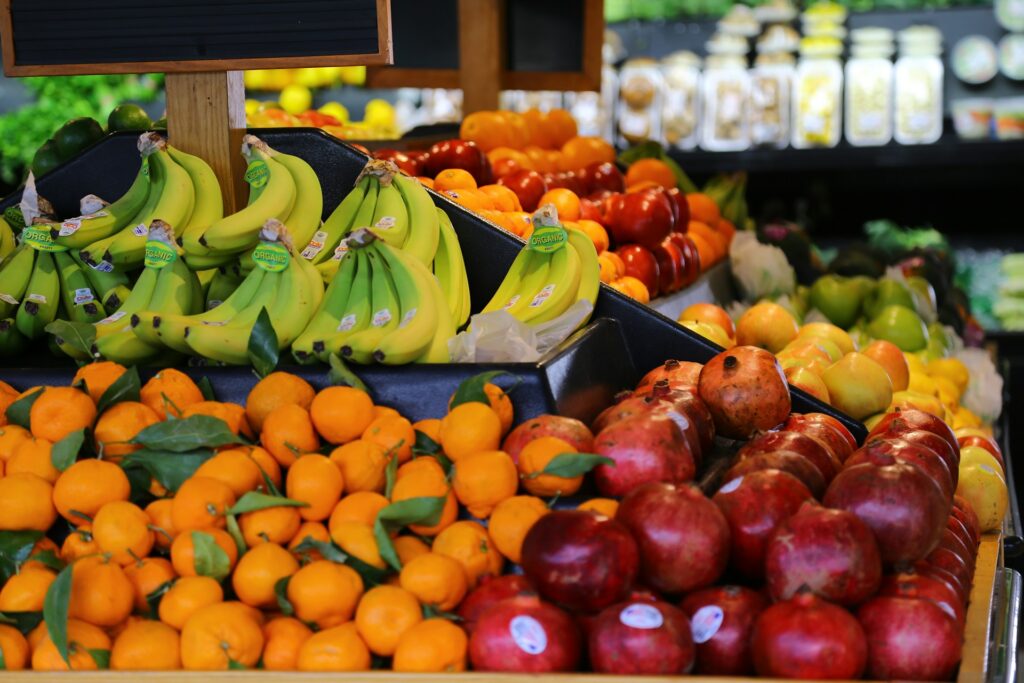
*Graph courtesy of Agronometrics | Top photo by Oleksandr Gamaniuk Asante via Unsplash
Related stories
US fresh fruit imports up 69 percent since 2010, domestic production falls by 32 percent