


California Avocado Commission sounds the alarm on potential phytosanitary risks in Mexican imports
 Add Fresh Fruit Portal to Google
Images of over 50 metric tons of avocado burning in ditches in Michoacán, Mexico, made the news a week ago amid a labor crisis that disrupted supplies and depleted reserves in the US.
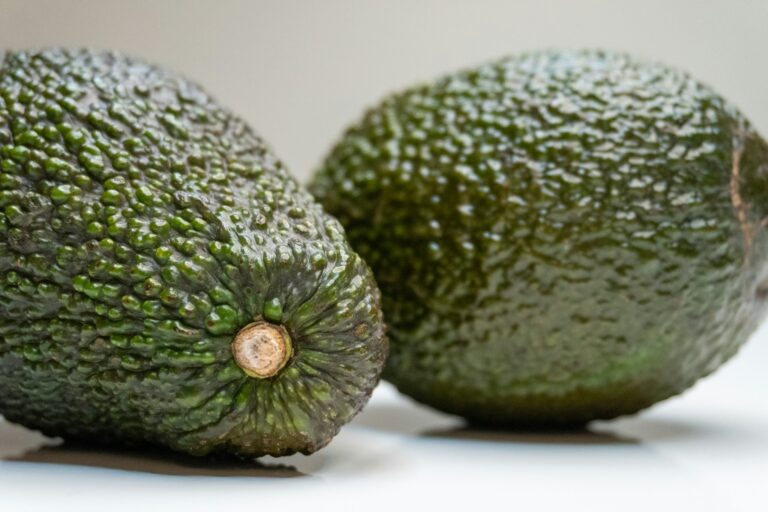
The fruit had been found to be infested with avocado seed weevil larvae, a pest that, if left unchecked, spreads aggressively and decimates produce and trees by boring into their trunks and seeds.
According to multiple reports in local and international media, these lots were destined for export to the US market.
The danger of pests entering the country raised alarms at the California Avocado Commission (CAC). The industry body's president, Ken Melban, wrote a letter to US Department of Agriculture (USDA) Secretary Brooke Rollins requesting a full report on the events involving potential Mexican imports and asking what actions the agency would take to offset these “unacceptable phytosanitary risks.”
“These findings raise troubling questions about the effectiveness of Mexico's phytosanitary inspection and certification program, and again underscore the importance of independent USDA oversight and adequate safeguards,” he wrote in a missive dated November 4th.
Questioning the Mexican import program
After nearly 30 years of the Mexican import program authorizing avocado shipments to the United States, the Aztec industry has gained a lot of ground, accounting for over 90 percent of the green fruit eaten north of the border.
Overseen by the USDA, with help from local government and industry bodies, the program has certified only fruit produced in the states of Michoacán and Jalisco.
However, the CAC questions whether this is truly the case, suggesting avocados from unauthorized producing regions may be entering certified states for shipment to the US.
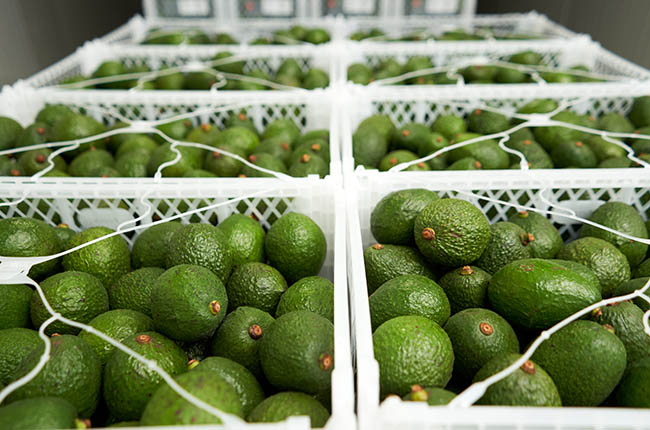
hass avocado baskets for export
“If this is occurring, it will seriously undermine the integrity of the certification program and potentially expose growers to unacceptable phytosanitary risks,” Melban continued. “Our 3,000 avocado growers are extremely concerned about an invasive pest becoming established in California and the significant economic and environmental harm any such infestation could cause to our industry.”
The CAC has repeatedly called attention to the Mexican import program and its effect on California growers.
According to an op-ed authored by Melban on Fox News, Mexican imports surged 32 percent in the last year, flooding the avocado market and lowering prices. In response, the organization is proposing seasonal tariff-rate quotas to provide some relief to Golden State producers.
“This measured safeguard [...] can preserve year-round avocado supplies while giving California growers a fair chance to compete in their own market during harvest season,” he wrote back in August.
Additionally, the industry has raised the flag about the involvement of criminal cartels in the Aztec sector and how their presence prevents full compliance with the phytosanitary requirements on Mexican imports imposed by the USDA.
Mexican avocado growers defend their exports
In a video posted to the X profile of Michoacán’s Avocado Producers and Packer Exporters Association (APEAM) on November 3rd, industry body CEO Luis Javier de la Rocha addressed comments on social media questioning the integrity of the US avocado export program.
“I’ve seen images of fruit that are out of any context of the export program—they’re false,” he says.
The executive explained that these images show fruit from other Mexican producing states that enter Michoacán, creating the wrong impression of the quality and phytosanitary standards of fruit produced in the state.
“To this day, there has been no unhealthy fruit arriving at the border, and that’s APEAM’s success of nearly 30 years with this program,” he states.
The industry leader urged the industry to be responsible and speak the truth regarding Mexican imports and avocado production in the state of Michoacán.
FreshFruitPortal.com reached out to APEAM for their reaction to the CAC’s letter on Mexican imports, but they declined to comment.
*All images via Shutterstock
The second edition of the Global Avocado Summit will be held on November 11, 2026, at the Monticello Casino Events Center in Santiago, Chile. Organized by Paltas de Chile and Yentzen Group, the meeting seeks to bring together the main players in a growing industry
The event has established itself as a key space for addressing commercial and sustainability issues in the industry, bringing together producers, exporters, buyers, certifiers, and innovators to analyze the sector’s challenges and opportunities.
For more info, contact events@yentzengroup.com
Related stories
California avocado growers call for import limitations amid Mexico trade talks