



Agrifood biotechnology could generate nearly $19B by 2024 in the Netherlands
 Add Fresh Fruit Portal to Google
From climate-resilient crops to fermentation-derived proteins, biotechnology could become a major growth engine for the Dutch agrifood sector. The sector could help the Netherlands secure $18.7 billion in additional annual turnover by 2040, according to the Agrifood Biotech Deep Dive report by innovation group Invest-NL.
The assessment identifies opportunities across seed breeding and genetics, biological agricultural inputs, and biotechnology-derived food ingredients. However, it warns that, while the country has the research capabilities and technology, it needs a more supportive environment to help companies bring products to market and scale up production.
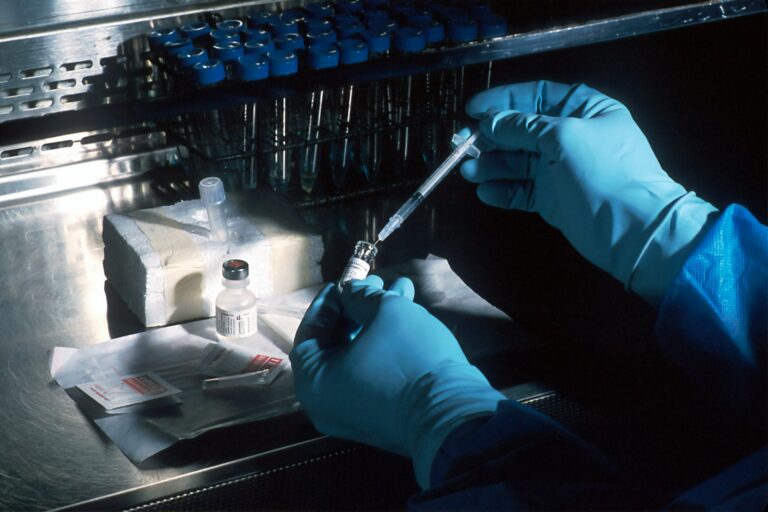
Photo by National Cancer Institute via Unsplash
The report is part of a series of four studies through which Invest-NL aims to identify major biotechnology opportunities and establish a shared understanding among entrepreneurs, investors and policymakers.
The findings draw on interviews with more than 150 entrepreneurs, investors, researchers and policymakers.
Regulatory delays hold back biotech companies
Although the Netherlands is a global leader in biological crop protection, European authorization for new products can take eight to 10 years.
According to Invest-NL, existing regulatory frameworks largely reflect requirements developed for chemical products and do not always accommodate biological alternatives. As a result, some companies choose to introduce their products first in markets such as Brazil and the United States.
The report warns that these delays could prevent Dutch companies from capturing growth in a market expected to become seven to 10 times larger by 2040.
Fermentation-derived proteins and other novel food ingredients face similar obstacles. European authorization processes take one to three years longer than in the US, while companies moving from development to industrial production must finance their first manufacturing facilities.
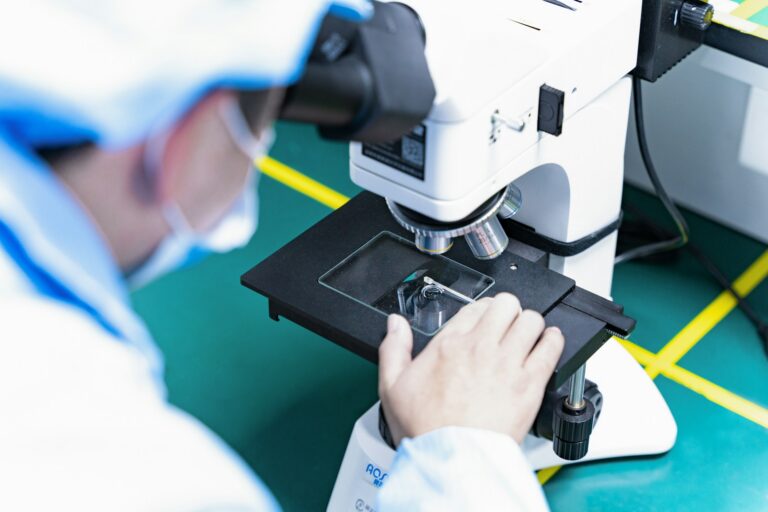
Photo by Lighsaber Collection via Unsplash
Building these facilities can require tens or hundreds of millions of dollars. Still, existing financing programs often fail to accommodate companies that operate at a loss for several years while developing their production capacity.
Invest-NL estimates that Dutch companies could generate approximately $8.8 billion in annual revenue from biotechnology-derived ingredients by 2040 if the sector receives the necessary support. Without policy changes, annual revenue would remain at around $2.2 billion.
“The science is improving all the time. The real challenge is financing the journey to commercial scale,” says Corjan van den Berg, co-founder of Revyve, which produces proteins from yeast. “Investors alone cannot bear this burden. Companies also need loans, guarantees, and grants to make the transition to industrial production.”
*Main image by LN via Unsplash
Related stories
Strikes paralyze ports in Germany and the Netherlands, threatening new logistical delays