


Driscoll’s plants lawsuits in the US over alleged berry genetics theft
 Add Fresh Fruit Portal to Google
Global producer and distributor Driscoll’s is taking a thorny plant-genetics dispute to federal court in the United States. The berry giant filed three lawsuits on November 19 against Expoberries, Alpine Fresh, and Berry Fresh over the rights to two commercial varieties.
The Watsonville, California-based company filed the complaints in three federal jurisdictions—the Eastern District of Virginia, Delaware, and the Southern District of Texas—targeting the commercialization of Sweet Karoline blackberries and Daniela raspberries.
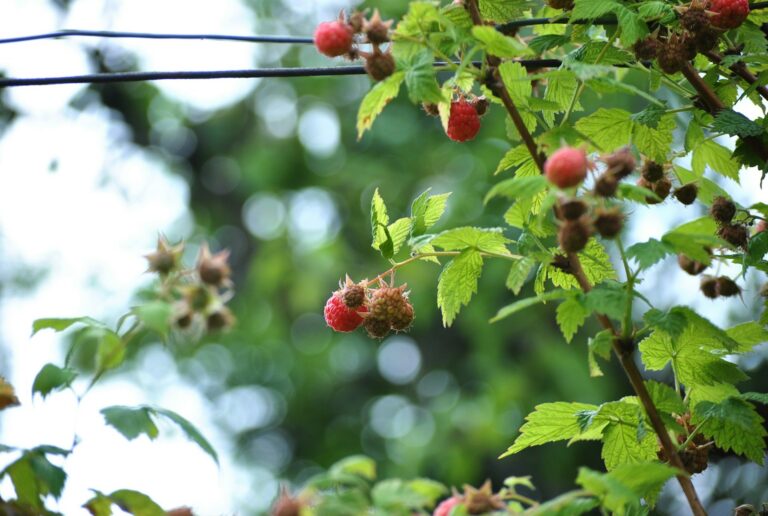
Photo by Delia Giandeini via Unsplash
According to the court filings, Driscoll’s alleges that a former employee of the firm’s breeding program in Mexico stole proprietary plant material. In the documents, the company says the employee then propagated and commercialized the cultivars without authorization and patented the varieties, naming himself as the sole inventor.
Genetic evidence challenges patent claims
Driscoll’s alleges that independent DNA testing links Sweet Karoline closely to proprietary varieties growing in the company's test plots during the former employee's tenure. The findings also indicate that the cultivar the patent identifies as one of Sweet Karoline’s parents is not an actual parent.
Furthermore, the complaints state that the breeding timeline described in the Sweet Karoline patent conflicts with the claim that the developer created the variety after leaving Driscoll’s in June 2013.
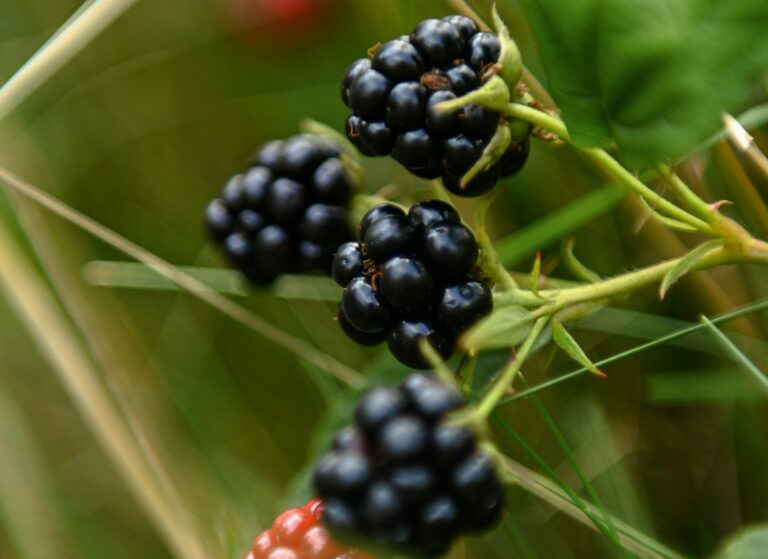
Photo by Alexandra via Unsplash
Through these lawsuits, Driscoll’s asks the courts to recognize its ownership rights to the varieties and their patents, while also seeking financial damages and additional legal relief.
"We spent roughly two years trying to resolve this privately and did not take this step lightly. Our dispute is with those responsible for taking our genetics, not with the growers who planted these varieties in good faith,” stressed Driscoll’s CEO Brie Smith.
The company said it remains open to a fair resolution that gives said growers a path forward, but until this matter is resolved, the future of these varieties is uncertain.
“We are fully committed to protecting the work of our breeders and growers," Smith added.
*All images are referential. Main photo by Zoe Richardson via Unsplash
Related stories
Bloom Fresh cracks down on illegal grape plantings in Peru
Argentina on track to identify genetic differences in pecan varieties