


California strawberry production holds steady despite weather shifts
 Add Fresh Fruit Portal to Google
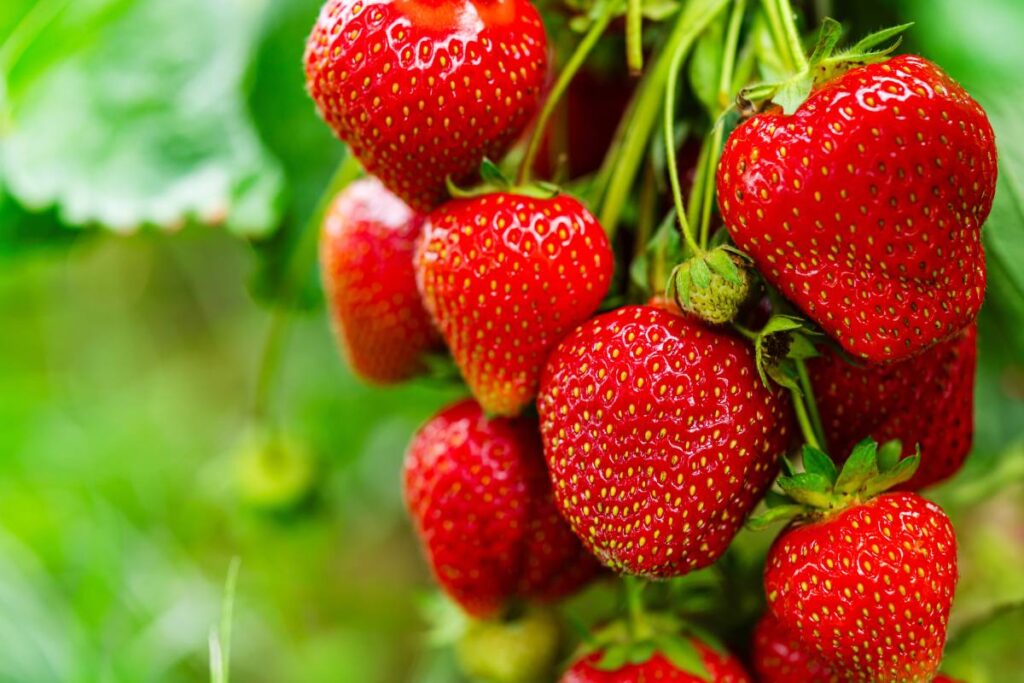
Golden State strawberries hit shelves ahead of schedule this year, before a warm, wet spring hindered peak-season volumes.
Despite the slowdown, shipments through mid-July held five percent above 2025 numbers, according to the United States Department of Agriculture’s Fruit and Tree Nuts Outlook: July 2026. In line with these figures, the California Strawberry Commission (CSC) is expecting annual totals to remain consistent.
California, which accounts for about 90 percent of US strawberry production, typically sees its highest fresh volumes from late spring through summer, particularly May through July.
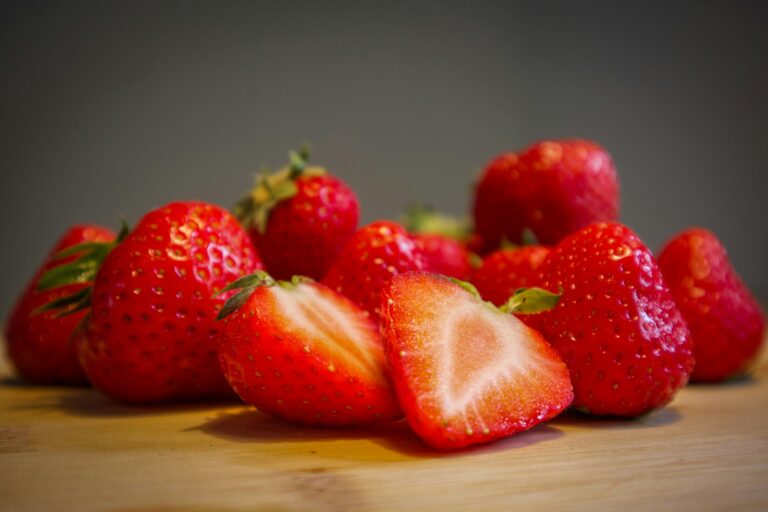
However, Agricultural Market Service (AMS) data referenced in the USDA report noted an uptick in March shipments, which also remained elevated through April. Volumes then fell 14 percent year-on-year in May before returning to roughly last season's level in June, the document said.
Although cumulative shipments remained ahead of 2025 through mid-July, the commission’s CSC Director of Public Relations, Jodi Reinman, explained to FreshFruitPortal.com that unseasonable weather was the main culprit behind the slowdown.
“Stronger early-season production from February through mid-April was driven by newer varieties and stable acreage. However, a warmer and wetter spring reduced production, leading to lower volumes during the peak harvest period and into early June,” the executive said.
She added that year-to-date total production remained ahead of 2025 through the week ending August 8.
New California strawberry varieties take root
Despite the shifts in timing and volume, the commission expects overall fresh production for 2026 to be similar to last year's level, as acreage planted for fall production is up by 6.7 percent year-on-year.
“Currently, weekly volumes are expected to increase to three-year average levels as summer-planted acres in Santa Maria and Oxnard districts are increasing in volume,” Reinman said.
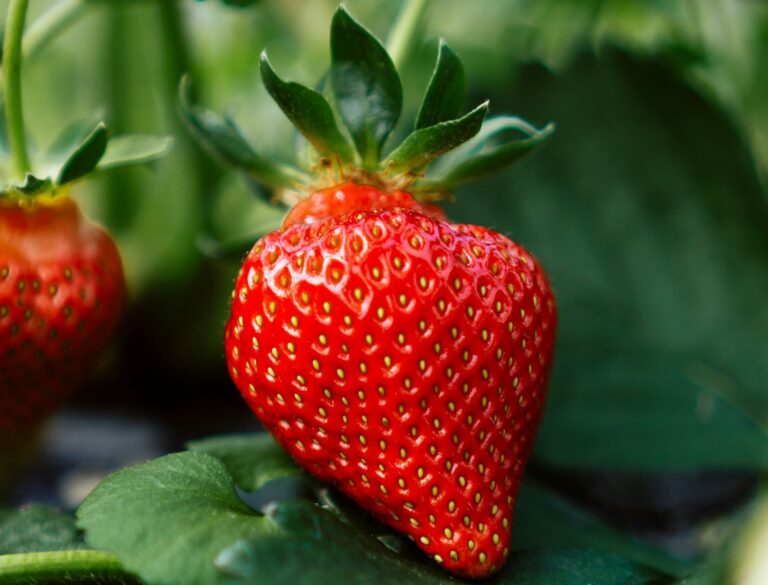
California growers continue to transition toward newer, more efficient and profitable varieties, including day-neutral and short-day cultivars from both proprietary and public breeding programs.
Short-day strawberries, also known as “June-bearing,” form flower buds during the shorter, cooler days of fall and winter, then produce a concentrated burst of fruit in the late winter and spring. Day-neutral varieties yield fruit continuously throughout spring and summer.
“Improved yield, shelf life, and quality plus improved disease resistance are important characteristics that have the potential to improve returns to the farm,” Reinman noted of the key decisions guiding the renewal.
Turning insights into market strategy
Last year, the California Strawberry Commission expanded its State of the Industry report into the comprehensive 2025 Strawberry Shopper Playbook. In it, the organization noted that strawberry promotions deliver a stronger lift on smaller discounts, outperforming other berry varieties.
“Maintaining consistency in promotional discounts and display size during peak season are key to consistent purchase,” Reinman stressed of the results.
The assessment also noted that heavy strawberry buyers are more motivated by display quality and freshness than by price discounts, and that larger pack sizes are also contributing to category sales.
“The 2 lb. package size has been driving category sales without cannibalizing 1 lb. sales,” Reinman said.
For growers planning the 2027 crop, the CSC leader said labor remains a major economic consideration, and a key aspect influencing future business decisions.
“Labor cost is just over half of every farm dollar earned, so availability of labor and rising minimum wage rate in California are important,” she concluded.
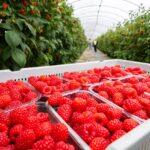
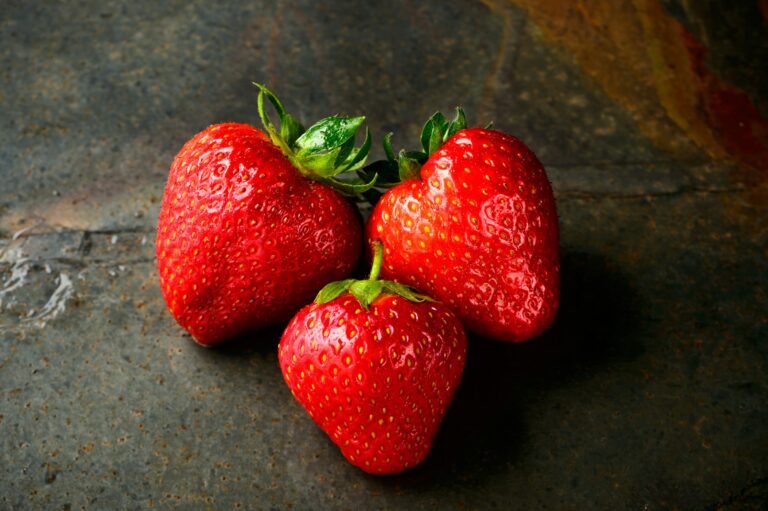
*Images are referential via Unsplash.
Related stories
California strawberry acreage at multi-year highs - Rabobank
California Strawberry Commission Research Highlights Strength of Strawberry Retail Promotions
California strawberry losses from flooding in the hundreds of millions