


How quality, flavor and better logistics will drive US mango growth
 Add Fresh Fruit Portal to Google
By Francisco Seva Rivadulla, international agri-food journalist
The United States mango industry is navigating a market defined by strong demand alongside tighter fruit supplies. According to Giovanni Bernal, Sales Director at Sweet Seasons, the sector holds significant growth potential, though it faces persistent headwinds tied to production, quality control, logistics, and shifting consumer preferences.
"Demand is very strong because production was quite low this past year," Bernal explains. "The challenge isn't moving the fruit—it's having enough supply on hand."
This dynamic underscores the critical need to secure consistent volume to satisfy a market with a growing appetite for fresh mangoes.
Production uncertainty and weather challenges
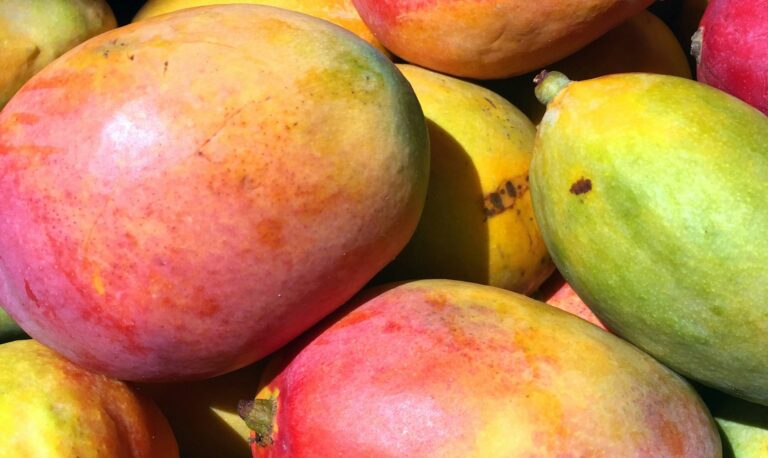
Photo by Jacqueline Brandwayn via Unsplash.
One of the primary drivers shaping industry performance is crop development in key growing regions—particularly Peru and Ecuador—where adverse weather and flowering issues have curbed exportable volume in recent seasons.
Bernal anticipates that the upcoming season could bring similar hurdles. Shifting weather patterns and disruptions to production cycles create ongoing uncertainty around the actual volumes that will reach international markets. For Bernal, every season presents a fresh set of challenges that demand agility from growers, exporters, and importers alike.
Quality, flavor, and availability: The core pillars
In a market as competitive as the US, Bernal identifies three non-negotiable pillars for building a successful mango program: competitiveness, quality, and consistent availability.
However, he places flavor on equal footing with visual, commercial-grade appeal. This approach reflects a steady evolution in shopper behavior: consumers no longer just want fruit that looks appealing on the shelf—they expect a consistently rewarding eating experience.
Delivering mangoes with strong organoleptic qualities is therefore essential to building shopper loyalty and driving repeat purchases.
Growth opportunities in fresh-cut and organic mango
Diversifying product formats is another bright spot identified by Sweet Seasons’ commercial lead. Specifically, Bernal sees continued runway for fresh-cut mangoes in the US as the category expands and convenience-driven habits take hold.
"The market is growing, and I believe there is room for every segment to thrive," he notes.
Regarding organic mangoes, Bernal points to a dedicated consumer niche willing to pay a premium commensurate with production costs, provided the industry consistently delivers on eating quality.
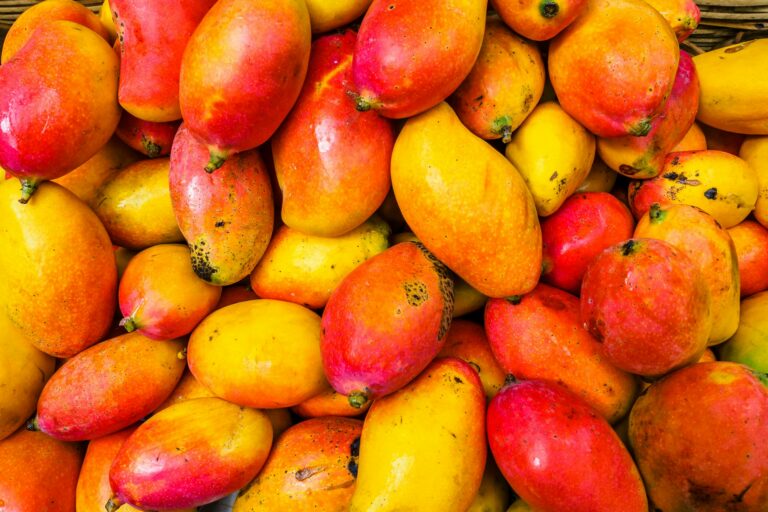
Photo by Alexander Schimmeck via Unsplash.
Logistics and inventory management remain major hurdles
One of Bernal’s top concerns is how mangoes are handled across the supply chain. In his view, logistical bottlenecks, improper cold-chain storage, and sluggish retail inventory turnover directly erode the quality of the fruit reaching the shopper.
When mangoes sit in storage too long or fail to move through distribution channels at the optimal window, they lose condition and arrive at retail showing signs of breakdown. The fallout extends well beyond a single commercial load: Bernal warns that a single bad eating experience can turn US shoppers away from the category and dampen repeat sales. Improving post-harvest handling, shortening transit and dwell times, and tightening coordination across supply chain partners are vital to protecting category momentum.
Recognizing the National Mango Board
During the interview, Bernal praised the National Mango Board's (NMB) ongoing efforts to build awareness and boost mango consumption across the US, highlighting the practical value of the market intelligence the organization provides to trade professionals.
"They provide a tremendous amount of data, honestly—and all the insights they share are hugely valuable," he says. Drawing on his background in imports, Bernal views reliable industry data as an indispensable tool for guiding commercial strategy and better understanding market trends.
Looking ahead: New varieties, better flavor, and the eating experience
Looking at how the US sector will evolve over the next decade, Bernal anticipates major shifts driven by new commercial varieties and rising consumer expectations. The market, he argues, is steadily moving toward prioritizing flavor and overall eating satisfaction.
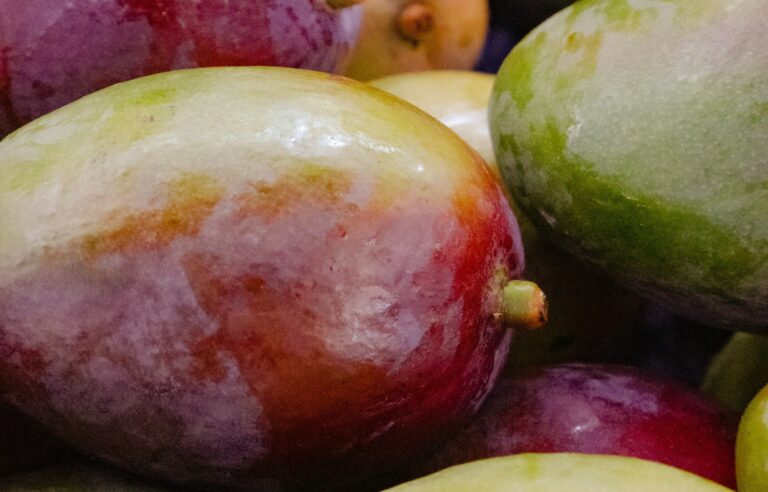
Photo by Ryan Rodrigues via Unsplash.
"The trend is shifting," he explains. "People aren't just eating mangoes for the sake of it anymore—they want an experience. They want something delicious that truly satisfies."
This perspective underscores why the industry cannot focus solely on pushing higher volumes; it must equally prioritize consumer satisfaction. For Bernal, when a shopper pays for a good mango, the fruit must deliver on both quality and taste—a philosophy that will increasingly shape varietal development, fruit sourcing, and merchandising strategies.
Optimism for U.S. Industry Growth
Despite ongoing production, climate, and supply chain hurdles, Bernal remains optimistic about the US mango sector, noting that the market still has substantial headroom for per-capita consumption growth in the years ahead.
"I truly believe it's going to keep growing—year after year," he affirms. Ultimately, Sweet Seasons’ Sales Director sees a bright trajectory for the industry, provided that quality, flavor, consistent supply, and disciplined supply chain management remain front and center to sustain that expansion.
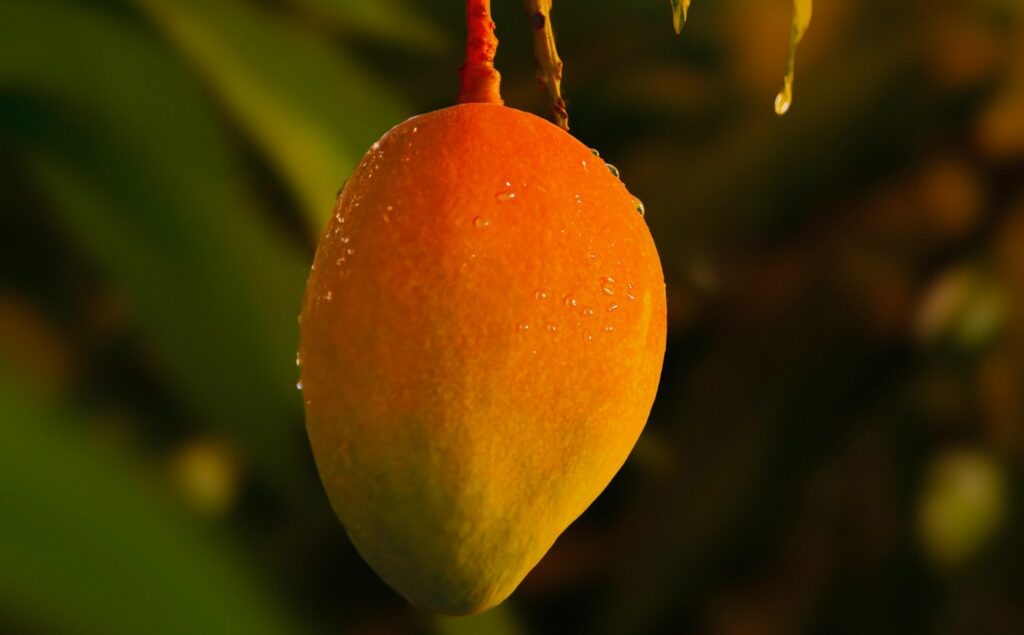
* Main photo by Allec Gomes via Unsplash.
Related stories
Mexican mango faces the great postharvest challenge: quality as a passport to conquer the world