







Tariff puts Brazil’s orange juice industry ‘at risk,’ exporters warn
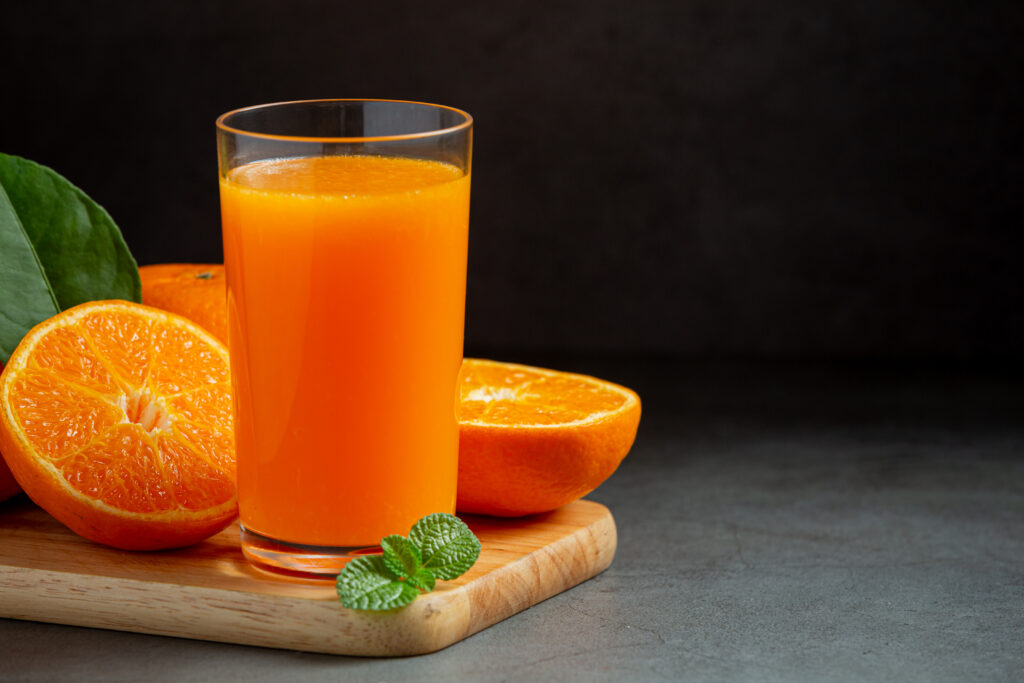



Trump imposed a 50% tariff on all Brazilian imports, the U.S.'s second biggest supplier of OJ, and the world's leading producer of the beverage.

The country's executive director of the National Association of Citrus Juice Exporters (CitrusBR), Ibiapaba Netto, warned that the tariff “puts Brazil’s orange juice sector at risk."
The United States is one of the main export destinations for Brazilian orange juice, and also accounts for most of the orange juice marketed in the world. Around 95% of its production is destined for export, and of that volume, nearly 42% goes to the United States.
Although forecasts have become increasingly positive since January, at the beginning of the year, the USDA forecasted orange Juice production was forecast to decrease 28% due to a drop in oranges available for processing.
According to Netto, under the new measure, concentrated juice, which is traded on the New York Stock Exchange, would jump in price from around $415 per ton to $2,600 per ton.
“This is a highly interconnected supply chain that supports thousands of families. CitrusBR understands the political and diplomatic sensitivity of this measure, but believes that escalation between governments is not the solution,” said the executive.
In 2025, Brazil's fruit-trade relationship with the U.S. generated $148 million in revenue for the Brazilian economy, a number expected to experience further growth in the near future.
“This figure shows that the United States has been a key trade partner for Brazilian fruit farming and that trade relations between Brazilian exporters and U.S. importers have so far been characterized by mutual respect, balance, and a high level of professionalism,” stated the Abrafrutas board of directors in a press release.
“The Brazilian fruit industry wishes to continue exporting its products to the United States, and U.S. importers undoubtedly want to keep relying on our fruit to complement their retail offerings in a business model that benefits both sides,” the organization added.
Abrafrutas emphasized that thanks to the relationship, U.S. consumers have been able to access flavorful and safe tropical fruits that contribute to public health and well-being. “Continuing this process is a legitimate aspiration of business leaders from both countries,” the statement read.
The Association expressed support for the ongoing negotiations led by the governments of Brazil and the United States, and said that it is confident that, through dialogue and transparency, a consensus can be reached to normalize the tariff issues.

Subscribe to our newsletter