

Brazil produce sector urges talks as US tariff threatens fruit sector
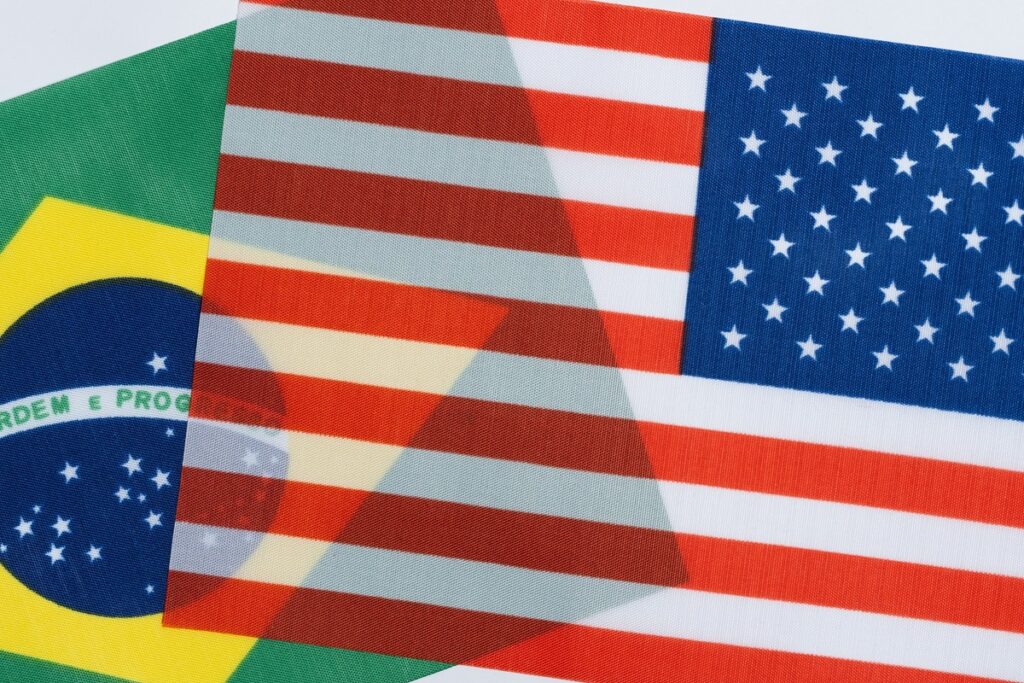

After U.S. President Donald Trump announced that he plans to impose a 50% tariff on all Brazilian imports, the country's government organized a series of meetings with different commodity sectors to define negotiation strategies.

Mango and table grape season in the country is approaching, and industry officials say the increase in tariffs poses a major risk for growers.
Guilherme Coelho, president of the Brazilian Association of Fruit Exporters (Abrafrutas), said the country was expected to "export nearly 3,000 containers of mangoes in this upcoming harvest," but now "producers are feeling uncertain and fearful, as they’ve already made preparations to export to the United States."
He explained growers have already made arrangements to export to the United States and "it’s impossible to redirect this production to Europe or the domestic market, since doing so could collapse both markets,” warned Coelho.
According to Abrafrutas, the United States accounted for 7% of Brazil’s total fruit exports in 2024, representing 12% of the year’s total fruit export revenue. Last year, the U.S. market imported 14% of the country's exported mango volume, representing 13% of its overall fruit revenue.
Coelho said taxing food is neither fair nor reasonable and "will cause enormous losses for both countries."
“Americans may face food shortages, price inflation and even unemployment, since their industry purchases Brazilian raw materials for processing,” he added. “Losses in Brazil will also be significant; our producers won’t have a consumer market to absorb their output and will be forced to lay off workers. We’re talking about thousands of families who could be left without income or food on the table."
Guilherme Coelho and Jailson Lira, president of the Union of Rural Producers of Petrolina (SPR) expressed increasing concern for this year’s mango and table grape harvests, which begin in late July and early August, respectively.
One alternative given by both representatives is to postpone the import tariff for six months and exempt certain products from the surcharge, specifically table grapes and mangoes, to shield growers from catastrophic losses this season.
Coelho also voiced disagreement with the suggestion made by the Ministry of Agriculture to pivot toward the Japanese and South Korean markets for mangoes and the Chinese market for grapes.
“The South Korean market represents only 1.22% of the size of the U.S. market for us, and China is a market we are only just beginning to understand. It lacks specific logistics and is still not accessible to us. So we are very skeptical of those two possibilities,” they explained.
At the end of the meeting, the leaders of Abrafrutas and the Union of Rural Producers of Petrolina called for more dialogue to resolve the impasse. “We need to have discussions. The stakes are high — the investments producers have made so far, practically on the eve of harvest, and the employment in the region, which is also under threat,” Coelho said.




Subscribe to our newsletter