








California Citrus Mutual CEO: "Average pricing simply does not work for California producers"
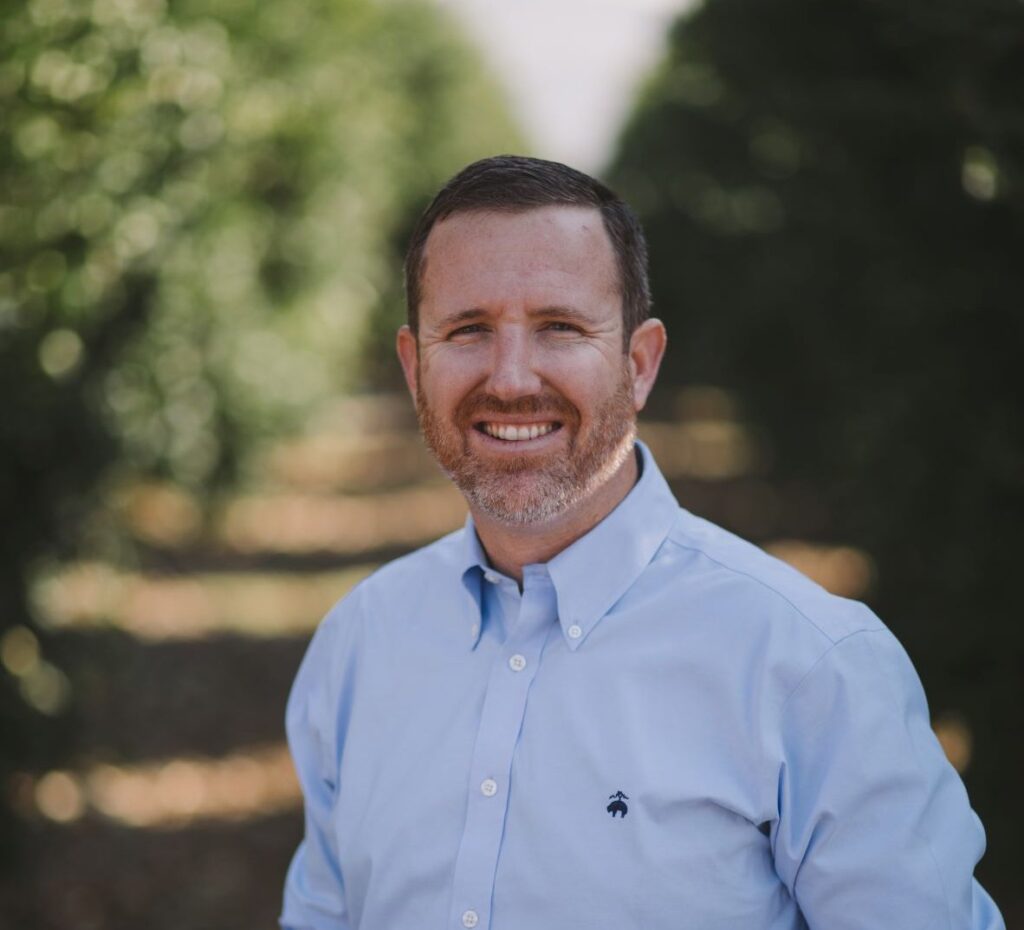



Despite his rooted appreciation for agriculture, California Citrus Mutual President and CEO Casey Creamer didn’t grow up in it. Describing himself as a “jack of all trades,” his first approach to the Golden State’s citrus sector came when working on water issues for the Kings River Conservation District and through advocacy.

There, Creamer got to “sit, listen, and watch” citrus growers’ struggles firsthand. When the opportunity to transition to the industry presented itself, he realized he had found a niche he wanted to be a part of.
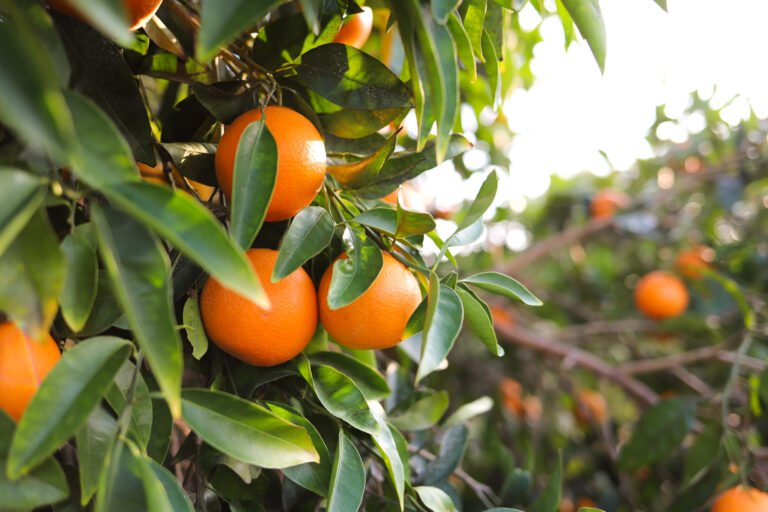
Photo courtesy of the California Citrus Mutual.
What’s the biggest shift you’ve seen in the produce industry in the past 12 months?
Probably the biggest thing for the citrus industry right now is trade. The U.S. is looking at reciprocal trade, trying to address trade deficits, which is something that we've sort of been advocating for as well, in particular to the citrus industry here in California, but that trade dynamic is something that's frankly very volatile at the moment, and so trying to figure that out, be prepared, making sure you've got the relationships with your customers and working through those sort of on-again, off-again trade disruptions is probably one of the biggest shifts that we've seen recently.
The produce industry is seeing a sort of side effect of what's happening. There are bigger geopolitical ambitions with all this, and so we're going to have to make our voices heard, but we also have to be agile and be ready to adapt.
Have trade woes affected you this last season?
Yes, so Canada is either our number one or number two export trading partner for California citrus, depending on the variety in the year. The USMCA agreement, which was a 25% retaliatory tariff that Canada still has in place on us, was a major disruptor towards the end of our export season, and forced a lot of conversations and volumes moving elsewhere.
And the volatility around China as well caused some shifts there. I think that's the challenge and potentially an opportunity for the produce industry to see the direction, the headwinds of where these things are going, and try to adapt the best we can, because the reality is a lot of these discussions are not centered on or focused on the produce industry.
Citrus is very popular and can be found on tables all around the world. How do you see consumer expectations of the product evolving in the in the past time?
California is a high-cost producer. We have high cost of production, as well as labor costs and taxes, and water is also a major issue. You've got to receive higher prices to be able to compete on a global scale.
And the only way, in my opinion, that you're going to consistently achieve premium pricing for your product is you've got to be what the consumer wants, and you've got to have a high quality, high taste. Average pricing simply does not work for California producers. And so I see we're going to continue to adapt to premium markets, to varieties that can't be grown elsewhere in the world the way that we grow them here in California, and we're going to have to continue to improve our business operations. The freshness, the taste profile, all of those things, we're going to have to be on the cutting edge and cannot be behind the curve in any of those areas.
What trends or developments do you think retailers and importers should pay close attention to?
What I think it's even more important today is that the grower, marketer, packer, shipper, retailer, and consumer connect through that entire supply chain, so that they figure out how to have a solid long-term relationship. We've seen a lot of import challenges in California citrus. We've got a huge trade deficit here in the United States in citrus; we've got $1.2 billion of citrus imports coming into the United States now, more than what we're exporting
So that's something that's affecting growers and pocketbooks, and their ability to stay in business. If people are thinking about the next sale, I see that as a recipe for not having long-term success.
We’ve discussed challenges. But what do you expect to be the main opportunities for California citrus in the upcoming years?
When you think about what we do here in California and citrus, the quality that we do have, the reputation that we do have, the relationships that we have, where we sit in relationship to all the challenges that that I talked about, I think we're positioned to meet those challenges as good as anybody in California and agriculture. And so we've been a fairly stable crop for several years.
You just can't grow citrus everywhere in the world, and not with the quality that we can do here in California. So yeah, we're going to continue to have some challenges. We have some major ones right now. I mean, the lemons, the market right now is at an all-time low. And it's causing negative returns for growers. And so when I speak about challenges and opportunities, the big picture, we're going to come out of this generally OK and be a stable commodity moving forward.
How are you navigating these challenges?
Making sure growers are as informed as they possibly can be, and providing them with resources on pricing that's happening in the industry. And so they can ask questions and start looking at their varieties, the locations that they're growing, the windows that they're growing in and and have even more informed conversations within the citrus supply chain so that they can make the best decisions they possibly can. So we're being a forum for that information.
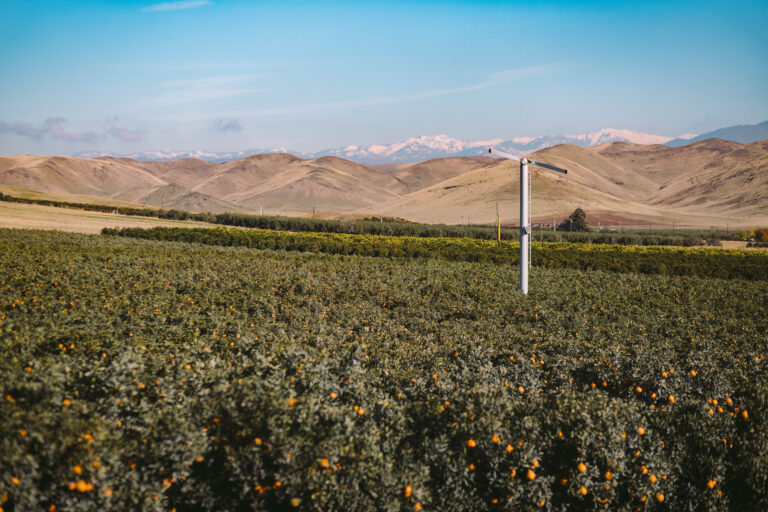
Photo courtesy of the California Citrus Mutual.
How are you approaching sustainability and environmental performance today compared to five years ago?
The citrus industry has been a leader in sustainability and integrated pest management. It's been on the cutting edge of irrigation efficiency and soil health. There have been a lot of things that citrus growers are very advanced in.
All of these sustainability initiatives at the end of the day lead to efficiencies on the farm, which lead to lower costs or maintaining costs. And so there's, there's the natural incentive for sustainability in our farms. There's always room for improvement. And it's something I think that's going to close the gap there and allow everybody to continue moving along that path in a progressive way that respects the knowledge and expertise that our growers have on the farm.
If you had one message for your industry partners right now, what would it be?
My belief is, you always focus, to the best of your ability, on the things that are within your control. And so we cannot necessarily control the trade ramifications. We cannot necessarily control what's going to happen in water and various areas. There are a lot of things that we can't control.
And the more we focus on those things, the more we lose focus on the things that we can control. We’ve got organizations that are working hard to maximize the opportunities that they have and minimize the downsides. But growers are focusing on improving their operations, finding efficiencies, working with their packers, shippers, and all the things that are within their control.
I strongly believe that those who do the best job at that are going to be the ones that are going to be able to continue to manage through the difficult times and thrive when there's opportunity.
Related articles:
California citrus growers battle production cost increases in a depreciating market






Subscribe to our newsletter