
U.S. watermelon season hit hard by logistics and tariff woes
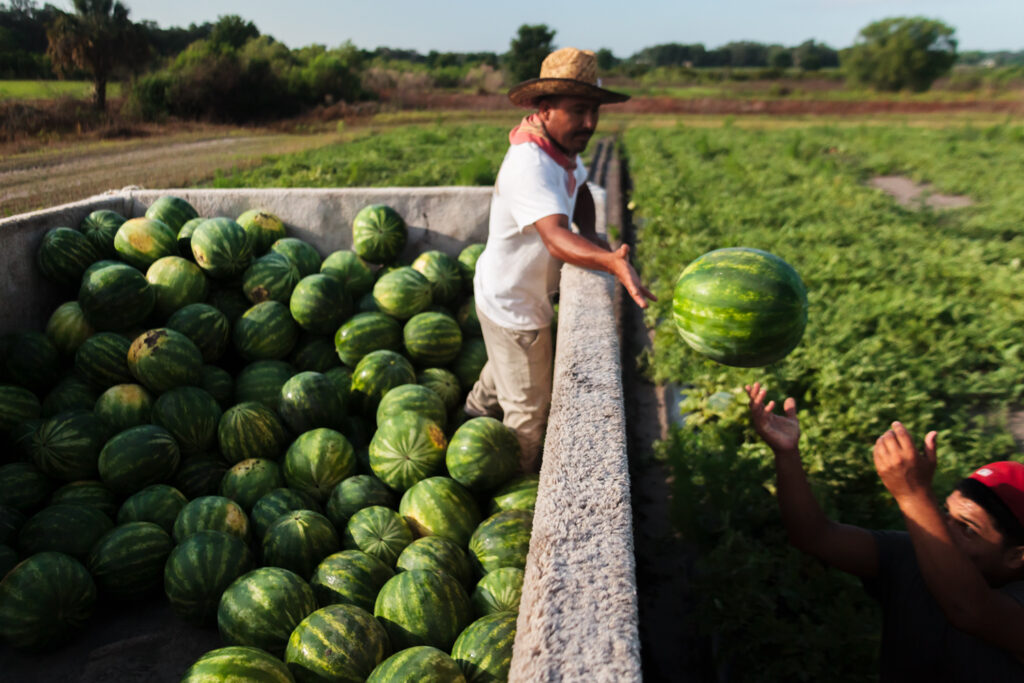



The U.S. watermelon season has seen juicier numbers. While the fruit remains a leading choice among consumers during the summer, ranking third in per capita availability, market prices didn't reflect the fruit's unquestionable popularity. For George Szczepanski, Executive Director of the National Watermelon Association (NWA), this had little to do with quality and yields, and more with the current trade landscape.


Florida leads watermelon production in the U.S., accounting for nearly a quarter of 2024’s 3.7 billion-pound total harvest. Domestic supply reached nearly 15 pounds per person, more than doubling the share of all other melons combined. This clearly wasn't enough as, according to the USDA, Florida and California experienced a 14 percent year-on-year decline in production despite the good yields. However, Szczepanski thinks these figures are inaccurate.
“There was a decline in shipments rather than in production,” he says. “There was good quality fruit and a good supply, but the season started with some bottlenecks that have been very difficult to recover from completely.”
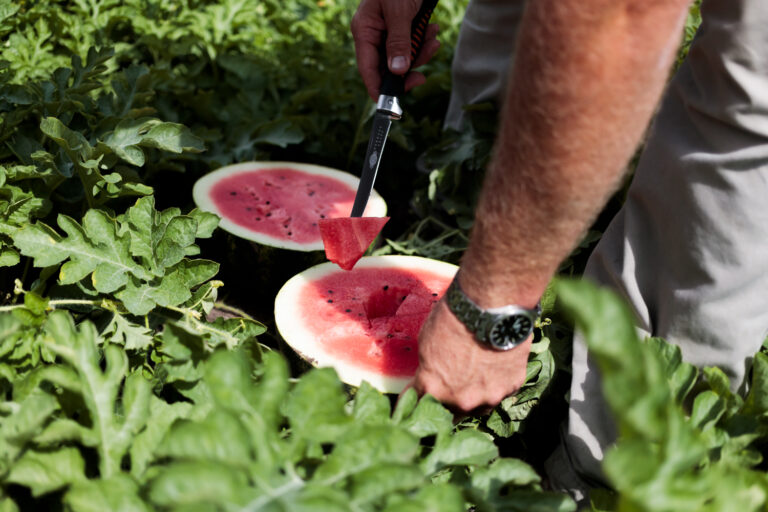
The Memorial Day holiday highlighted some of these issues. Unseasonably cool and wet weather across much of the northern U.S. suppressed demand, especially in the Northeast. This, along with tariff disputes involving key export markets, created a perfect storm. Proof of this tariff-driven market shift, he says, lies in the fact that Canadian imports from Mexico increased as a result.
A dropping demand during the early season in northern states and Canada has contributed to lower export volumes, which in turn have affected retail sales and kept them relatively high, despite lower wholesale prices.
“There was fruit in the fields that wasn’t getting shipped, which added to the overall decline,” laments Szczepanski.


The watermelon industry's key concerns
Labor shortages, particularly due to a scarcer Mexican workforce, have been another significant challenge for the watermelon industry. Szczepanski emphasizes that most NWA members rely heavily on H-2A visas for labor, and recent backlogs have hindered harvest operations.
“Especially in May, we saw significant problems with getting labor across the border,” he says. The association actively supports its growers by providing legal resources, with Szczepanski noting the recent hire of a dedicated NWA lawyer to assist with border-crossing issues and labor challenges.
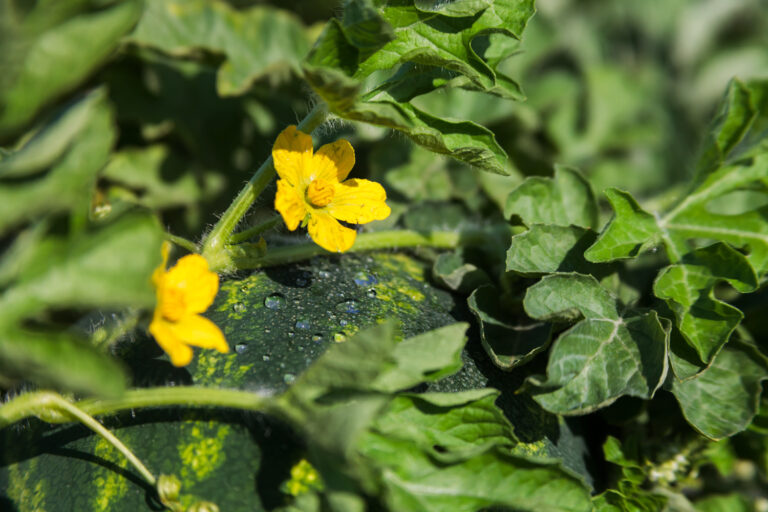
Despite these hurdles, Szczepanski celebrates the industry's resilience. “Growers have been adaptive and committed to moving product through the supply chain,” he says.
He also highlights ongoing promotion efforts, including the role of the National Watermelon Queen, a longstanding program that has been instrumental in consumer outreach and industry advocacy for over 60 years.
“They go through a full media training with the Promotion Board. They go out there telling the story, teaching people how to pick a ripe watermelon, taking pictures with kids and families,” Szczepanski explained. “It has its roots in a fun festival activity, but it really is something that has become a service to the industry.”
Szczepanski anticipates a slightly reduced acreage in 2026, which could lead to more favorable prices for growers. “A challenging year might mean a decline in acreage, but that could help us reach a healthier price point for next season,” he concludes.
*All photos courtesy of the National Watermelon Board.
Related articles:
Despite challenges, Texas watermelon industry pushes to ‘sell every pound harvested’





Subscribe to our newsletter