








South African companies call for the privatization of Cape Town port, citing $56 million in losses
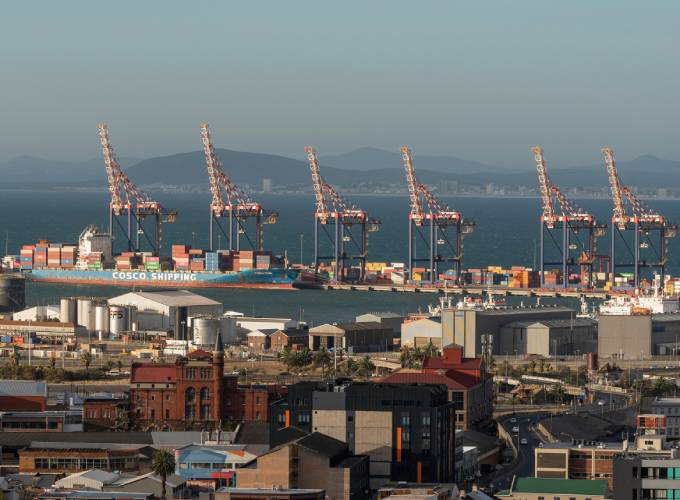



South Africa’s largest apple and pear marketer, Tru-Cape, is sounding the alarm and calling authorities to privatize the port of Cape Town. The sector is pointing to major inefficiencies at the point of entry, stemming from aging infrastructure and equipment, staffing shortages, and recurring weather disruptions.

Along with producer Two-Days and fourth-party logistics provider Link Supply Chain Management, the company says Government efforts to improve the port’s performance are not coming quickly enough, making privatization their best option.
Tru-Cape claims that the current status of the port poses significant and costly logistical challenges for exporters and has cost them around $56 million in additional storage, trucking, and plug-in costs, as well as missed market opportunities, as vessels bypass Cape Town in favor of other ports.
The problem is not new. The South African agricultural industry has been reporting major disruptions at the Port of Cape Town for years. Back in 2021, the point of entry even made it to the bottom of the World Bank’s list assessing global container port performance, making it the fourth-worst port in the world.
For example, in March 2025, the Port of Cape Town reported an average of 15 gross crane movements per hour (GCH)—a key productivity indicator for ports worldwide. The globally accepted benchmark is between 26 and 30 GCH.
“We work in a complex, time-sensitive value chain. If a vessel to Europe, the United Kingdom, or the Far East is missed, the sale is gone,” said Roelf Pienaar, managing director of Tru-Cape Fruit Marketing. “Logistics is the single biggest risk for us right now. If we can’t get our product out, everything else—from on-farm innovation to market development—is compromised.”
Relief that never came to Cape Town port
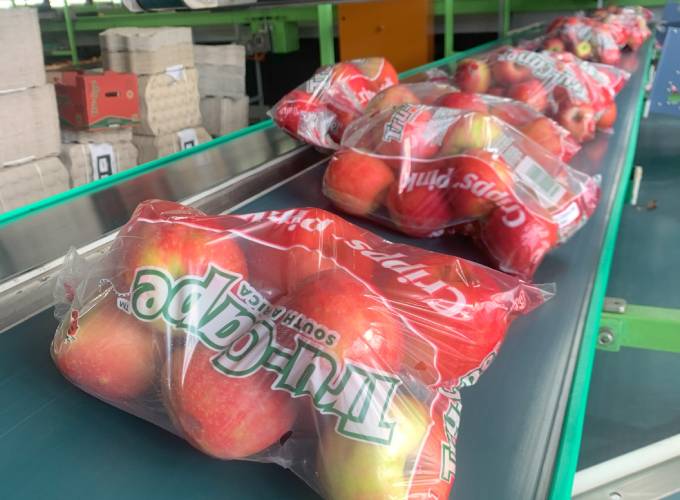
Industry players are currently warning that without urgent intervention, the country risks losing hard-won market share in key global markets. And the optimism the industry had at the beginning of the year, when relief from the government’s Department of Mobility (which currently runs the port) seemed to be on the horizon, is now non-existent.
Chris Petzer, operations director at Two-Days, one of South Africa’s leading apple and pear packing and marketing cooperatives, explained that although several initiatives are underway to improve the Port of Cape Town’s performance, it’s not nearly enough. For the executive, efforts to repair and maintain equipment, HR upgrades, and the focus on operational improvement and capital investment in new rubber-tyre gantry cranes have been too slow, and there doesn’t seem to be a way back to the port’s performance in 2022, when it reported a GCH of 33.
“We urgently need to fast-track the privatisation of the Cape Town terminal to restore competitiveness,” said Chris Knoetze, managing director of Link Supply Chain Management, a fourth-party logistics provider.
Related stories
Hortgro: Cape Town Port delays hindered South Africa stone fruit campaign
World Bank report ranks South African ports at bottom of the list
South Africa: Delays at Cape Town's harbor as workers are sent home




Subscribe to our newsletter