

As Japan’s production declines, US cherry imports come to the rescue
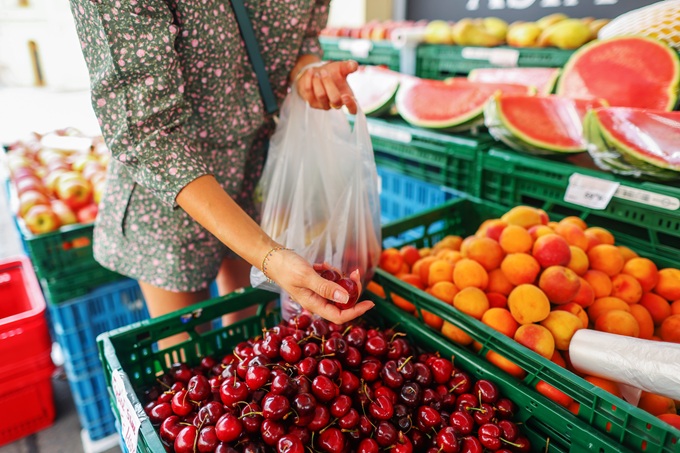

Japanese cherry production has been on a steady decline for the past two seasons, says the USDA’s Japan Stone Fruit Annual report. This might be bad news for the Asian country’s local industry, but it’s certainly a positive development for US cherry imports, which are swooping in to offset the decline in domestic production and meet consumer demand with fruit grown in the Northwest.

Cherries are deeply embedded in Japanese culture, an emblem that marks the start of summer. However, the local industry has faced both weather-related and industry-related challenges over the past two seasons, which have significantly hindered production.
Last season, low temperatures resulted in low pollination rates, which, combined with strong winds during the plant’s flowering stage, resulted in a historical low cherry production of 11,500 metric tons. This season is forecast to increase nearly 9 percent, but that’s still 28 percent below the 2023/24 season results.
US cherry imports are filling the gap

Japanese cherry blossoms are an emblematic sight in the country.
Since there were only slim pickings of domestic cherries, last season consumers had to rely on cherry imports, 93 percent of which come from the US.
And this season will be no different despite the uptick in Japanese production. The USDA report shows that grocery stores in the Asian country can expect an ample supply of US northwestern cherries at a favorable price and great quality for consumers, who have proven to be particularly price-sensitive.
However, the Northwest cherry season bumper crop might not be enough to offset the overall decline in US cherry exports to Japan. The US Foreign Agricultural Service in Tokyo still predicts a 10.5 percent decrease (4,300 metric tons) in imports of US cherries for the 2025/26 season as a result of adverse weather hindering California state production.
Related stories:
The global cherry market is reaching new heights, report says
Chilean agricultural industry assesses frost damage in cherry-growing regions






Subscribe to our newsletter