







Millennials are ready to take the lead in driving produce sales, survey finds
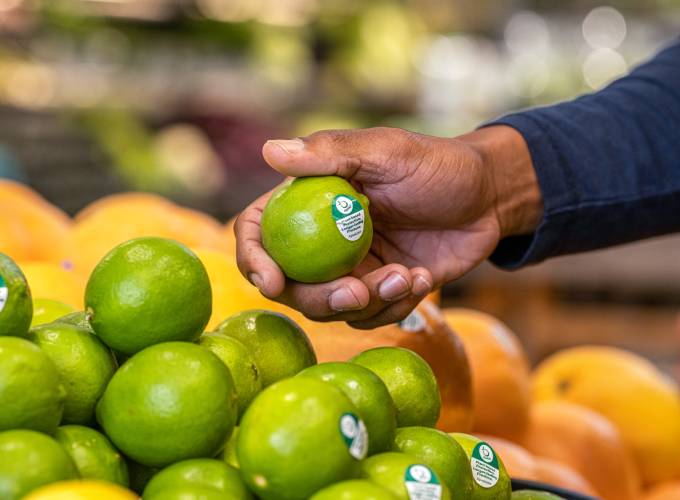



Baby boomers have been the main drivers of produce sales in recent years, but that’s about to change, says the Southeast Produce Council (SEPC).

The Produce Nonprofit released its fifth-annual What’s New? 2025 consumer survey, which shows that millennials will lead produce sales over the next two years, with fruit being the generation’s favorite convenience snack.
A total of 1,550 consumers participated in the study, which found that, although baby boomers still have the most money to spend, millennials accounted for 68 percent of the produce sales at retail outlets in 2024—far more than younger and older generations.
And this trend will continue to grow, says the SEPC, as millennials surpass boomers in spending power within two years. The group’s prioritization of family dynamics, their extensive use of social media, and their preference for healthy products mean they’ll spend a bigger chunk of their budget on produce, particularly fruit.
Kids heavily influence millennials’ purchases, SEPC data shows, making fruit an incredibly convenient choice. Vegetables often need to be cooked, peeled, dressed, or even skipped to accommodate tots. Meanwhile, fruits are the perfect on-the-go snack, mostly accepted by young’uns, and require only minor work to eat—a true lifesaver for parents juggling work and family. As a result, fruit has become a hit among millennials, and category sales have outpaced vegetables since 2021, says the SEPC.
Millennials are leading health-driven produce sales
But family is not the only reason leading millennials to the produce aisle, the report says. Although they don’t consider themselves great home chefs, millennials are health-conscious and enjoy good food. Influenced by social media, young adults like to try new things, but they will usually go for fast meals and convenience, SEPC daya shows. Sometimes, that means snacking on an apple or star fruit.
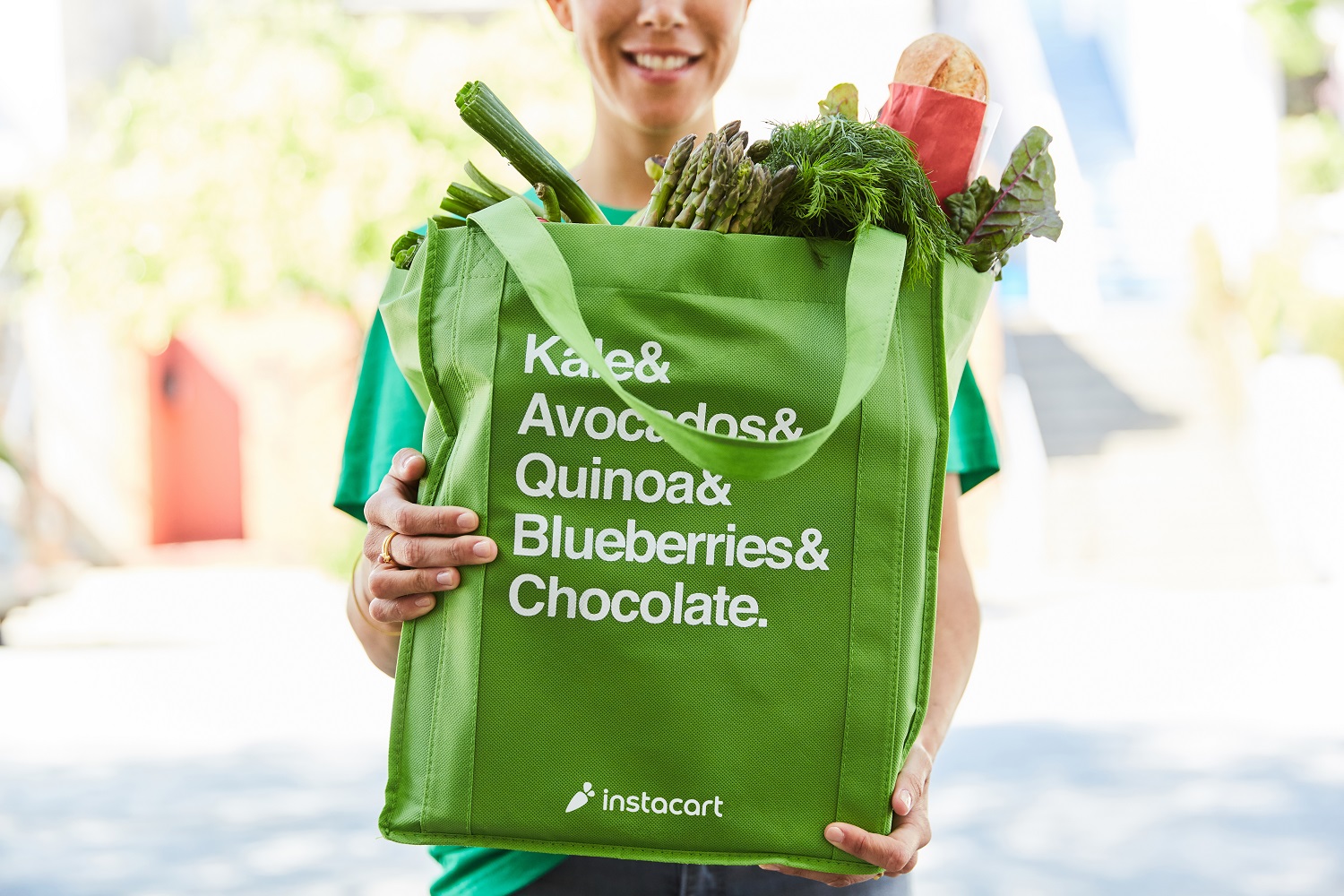
As to where they get their fruits and vegetables, the survey shows millennials prefer to shop at supercenters, club stores, and online. The data also reflects sales growth in convenience stores, driven by the group’s preference for deli-prepared, frozen, and packaged products, including smoothies, bars, powders, and squeeze pouches.
Finally, the report noted that millennials’ purchasing habits are highly influenced by their values, which is why they prioritize local, organic, and sustainable produce. The generation is also putting its money where its mouth is, and is willing to pay more as long as brands are transparent and their practices benefit the environment. One-third of consumers are willing to pay more for sustainable packaging, with millennials leading the trend.
Related stories

Subscribe to our newsletter