








A ripening opportunity: US trade shift could boost Colombian fruit exports



Writing and reporting by Macarena Bravo. Lee esta noticia en español.

The recent shifts in US agricultural trade policy may open new doors for Colombian fruit exporters. With the 10 percent tariff on certain domestic goods taking effect on August 7, Colombia’s National Foreign Trade Association (Analdex) is hoping for a relative price edge—provided longstanding sanitary and market access issues are resolved.
Analdex Executive President Javier Díaz Molina tells FreshFruitPortal.com that the tariff presents a "comparative advantage" for Colombian exporters over some global competitors. However, Díaz doesn’t consider Mexico in this analysis, as the country continues to benefit from a zero-percent effective tariff due to existing agreements.
The expert points to a clause in a recent Executive Order issued by President Donald Trump that may allow tariff reductions for agricultural products that the US does not grow or produce.
“It will not be automatic—bilateral negotiations are required,” he explains, adding that Analdex is currently working with Colombia’s Ministry of Trade and diplomatic officials in Washington to explore the opportunity. “We spoke with Ambassador Daniel García Peña and Laura Valdivieso [Director of the Colombian Trade Office to the United States], and they are very positive that this can be achieved.”
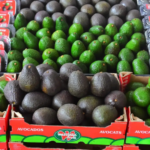
Analdex has urged the Colombian government to formally express its interest in entering negotiations. According to Díaz, items such as bananas, avocados, coffee, cape gooseberries, and flowers could be eligible for tariff reductions under the Executive Order’s provisions.
Phytosanitary barriers may hinder Colombia’s plans
Despite recent trade developments, significant barriers remain for Colombian produce in the US market. Díaz stresses that most Colombian fruit exports have traditionally gone to Europe, where fruits like granadilla and cape gooseberry are well established.
US market access has been slower due to strict phytosanitary and admissibility requirements. This, he says, would limit the possibility of taking full advantage of the current tariff deal.
One notable exception is the Tahiti lime, which has seen rapid export growth to the US following domestic crop damage. However, Díaz warns that the boom has also led to price drops.
“Producer prices have fallen significantly due to increased domestic supply, coupled with a less favorable exchange rate,” he says. “We used to have an exchange rate between 4,300 and 4,500 Colombian pesos per dollar—today it is below 4,000 pesos.”
To mitigate volatility, Analdex has recommended that exporters implement exchange rate hedging and long-term supply contracts.
Long-term outlook hinges on market readiness
While Díaz acknowledges ongoing global trade challenges, he urged the Colombian agricultural sector to seize the current moment.
“The world continues to demand food, and Colombia has the conditions to respond,” he says. “We are at a juncture that we must take advantage of. Despite global trade barriers and crises, demand for food remains strong. Our country, with its agricultural vocation, must work to achieve effective access, both tariff and sanitary, to key markets such as the United States.”
Related articles:
Colombia Avocado Board launches “Avocados From Colombia” brand in the US
Colombian court sentences former Chiquita execs to 11 years in prison


Subscribe to our newsletter