








South African citrus under scrutiny: AVA-ASAJA urges EU for exhaustive review amid pest detections
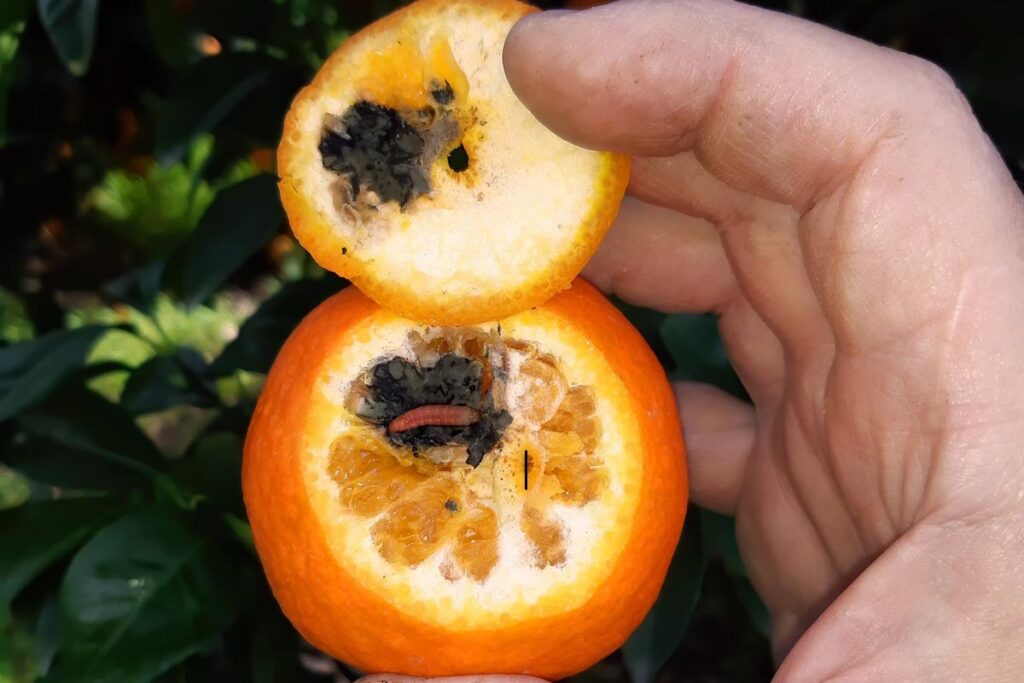


Following the European Commission's notice on the detection of the false codling moth (Thaumatotibia leucotreta) in South African citrus, the Valencian Farmers' Association (AVA-ASAJA) is demanding that the agency undertake an exhaustive review of the cold treatment mechanism applied by the African country.

If necessary, the organization is also requesting the adoption of drastic measures, such as closing community borders to South African citrus fruits to prevent the introduction and spread of this quarantine pest.
"The detection of false codling moth in oranges subjected to cold treatment demonstrates that, as we have repeatedly denounced, the mechanism applied in South African exports is being carried out incorrectly, since the sensors only capture the temperature in the container environment but not in the fruit pulp, which is necessary to eradicate the pest," AVA-ASAJA said in a press release.
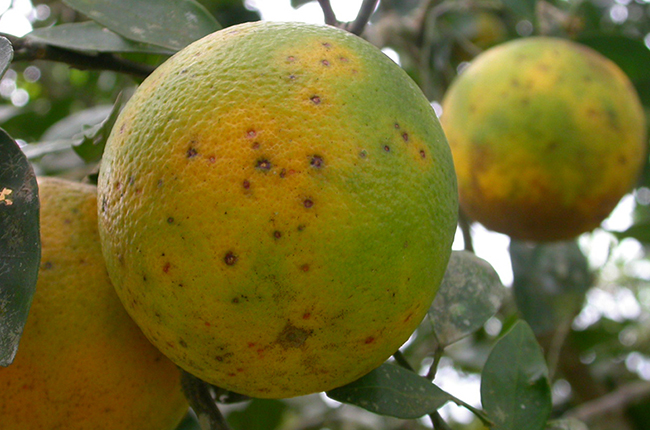
Citrus with black spot | Archive image
"Furthermore, taking into account that, according to a study, only 0.0082 percent of imports—82 out of every million—are subjected to physical controls, AVA-ASAJA warns that if an infested shipment of false codling moth has been detected, surely more have entered Europe," the organization emphasized.
AVA-ASAJA also asks that cold treatment be extended to other citrus species, such as grapefruits, given the detection of citrus black spot (Phyllosticta citricarpa).
The entity insists that "South Africa's repeated non-compliance undermines European phytosanitary security" and calls on the European Commission to "abandon its shameful passivity to close borders to countries like South Africa that do not want or cannot guarantee that they will not continue to introduce more pests to Europe, such as the South African mealybug (Delottococcus aberiae) or the South African thrips (Scirtothrips aurantii) which have already entered and are causing so much damage."
The phytosanitary risk of Mercosur citrus
AVA-ASAJA also warned of the alarming risk of quarantine pests and diseases being brought into Europe through citrus imports from Mercosur countries.
The warning comes just as the Commission is beginning the process of ratifying a trade agreement between the European Union and Mercosur.
In September, Uruguay added four interceptions of citrus canker (Xanthomonas citri) in lemon shipments, as well as a detection of black spot in oranges. For its part, Brazil had two more cases of Xanthomonas citri intercepted in its lime shipments.
AVA-ASAJA warned the Commission that the agreement with Mercosur "must not take another step as long as these countries are not able to guarantee the phytosanitary safety of their exports to Europe."
Otherwise, the entity said, the treaty would be detrimental to European producers due to the lack of reciprocity in such sensitive productions as citrus, rice, and livestock.
Related stories
How a mysterious ecoterrorism attack helped reshape California's medfly response
Spanish Citrus Management Association says EU is living under "permanent phytosanitary alert"

Subscribe to our newsletter