Chilean cherry sector urges caution as growers weigh switch to hazelnuts
 Add Fresh Fruit Portal to Google
Written and reported by Macarena Bravo | Lee esta noticia en Español
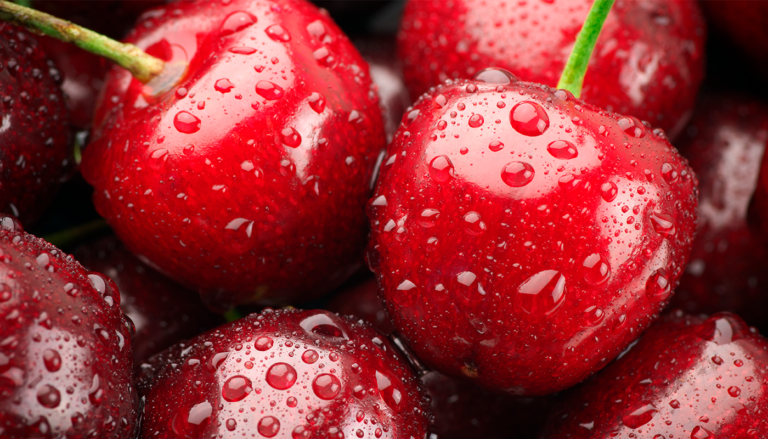
Following two years of less-than-ideal returns, Chilean cherry growers are considering switching crops, with increased discussion about converting the stone fruit’s acreage to European hazelnuts.
While favorable prices, a rising chocolate industry, and lower production in Türkiye could support the decision, more experienced growers warn that the move carries significant financial and agronomic risks.
Cristián Parra, CIO of agri-focused investment manager Jeleila, says producers should avoid reacting to short-term market signals.
“We have already experienced the collapse of cherries due to oversupply. I would not be surprised if the same thing happened with hazelnuts,” he notes.
Parra, whose company shifted from cherries to hazelnuts 15 years ago, stresses that tree crop investments require a 15- to 30-year timeline, and are not decisions based on one or two seasons.
The rise of the hazelnut: Agronomics, acreage, and global context
Crop replacement is not as simple as ripping trees, plowing the land, and planting anew. Unlike cherries, hazelnuts require adequate floral differentiation in winter and spring and perform best under more humid and stable conditions.
European hazelnut production in Chile is currently centered in the southern Maule and Los Lagos regions, with further expansion into La Araucanía. Up north, limitations related to water availability, soil conditions, and insufficient winter chill hours reduce suitability.
Parra also notes that orchard conversion raises plant health considerations. Cherry orchards currently face bacterial canker pressure, a disease that also affects hazelnuts, which may require soil sanitization before replanting.
Chile has between 111,000 and 124,000 planted acres of European hazelnuts. If current planting trends continue, acreage could reach nearly 198,000 acres within five years, including young orchards and reserved nursery plants.
Parra acknowledges that the international market appears attractive due to recent production losses in Türkiye. The European country accounts for a significant share of the global supply, and the government-backed industry represents around ten percent of its agricultural Gross Domestic Product.
“But the recovery will come. High prices are temporary,” he notes.
The long game
Removing a cherry orchard—including protective covers, posts, anchors, irrigation lines, and more than 400 trees per acre—costs the equivalent of several thousand dollars per acre.
Parra says establishing one hectare (2.47 acres) of hazelnuts cost about $5,700 a decade ago and now ranges between $11,400 to $13,680, depending on variety and technology level. Returns also take time.
“Commercial production begins around the fourth year. Positive cash flows stabilize around the seventh or eighth year, and total capital recovery can take more than 13 years. If the producer is already under financial pressure with cherries, adding another long-term crop can exacerbate the problem,” warns Parra.
Hazelnut operations also require sufficient scale to justify investments in mechanical harvesters, dryers, and cleaning systems. Unlike fresh cherries, hazelnuts are a dry commodity product, which changes marketing dynamics and capital requirements.
Are cherries here to stay?
In the Chilean region of La Araucanía, Alejandro de la Fuente, partner and general manager of Fruticultura Río Pichunco, says hazelnuts have adapted well in areas where spring rains and frost limit fruit options.
With 371 acres already planted and expansion plans, he describes hazelnuts as “low investment in general, lower than cherry trees, apple trees, or stone fruit trees.” Labor requirements are also lower, he says, because spraying and harvest can be mechanized.
Under normal conditions, he notes yields of about 2,230 pounds per acre can generate historical returns between $0.45 to $0.68 per pound. However, he says he does not expect current high prices to persist.
“I project my business at $2.5 per kilo [2.2 lbs.] in the long term, no more than that. The secret is cost efficiency and high yields per hectare,” he adds.
De la Fuente rejects the idea of widespread cherry removal. “I think cherry trees are here to stay. Central Chile is a fruit country, and people are used to these crises. It is also a product of excellent quality, and in high demand worldwide, so I don't think there will be such a quick replacement.”
Parra adds that industry coordination will be critical to avoid repeating past oversupply cycles seen in table grapes, kiwifruit, blueberries, and cherries.
“We are very good producers, but very bad sellers,” he says.
He emphasizes that the message is not to halt hazelnut development but to approach expansion carefully. “It's not a matter of just planting. It's a complex crop, with specific pests, increasing quality requirements, and a long learning curve.”
*All images are referential.
Related stories
Cherry market prices fall from grace as imports surge ahead of Lunar New Year