







Juice maker Stiebs sees stable pomegranate supply in an increasingly competitive market
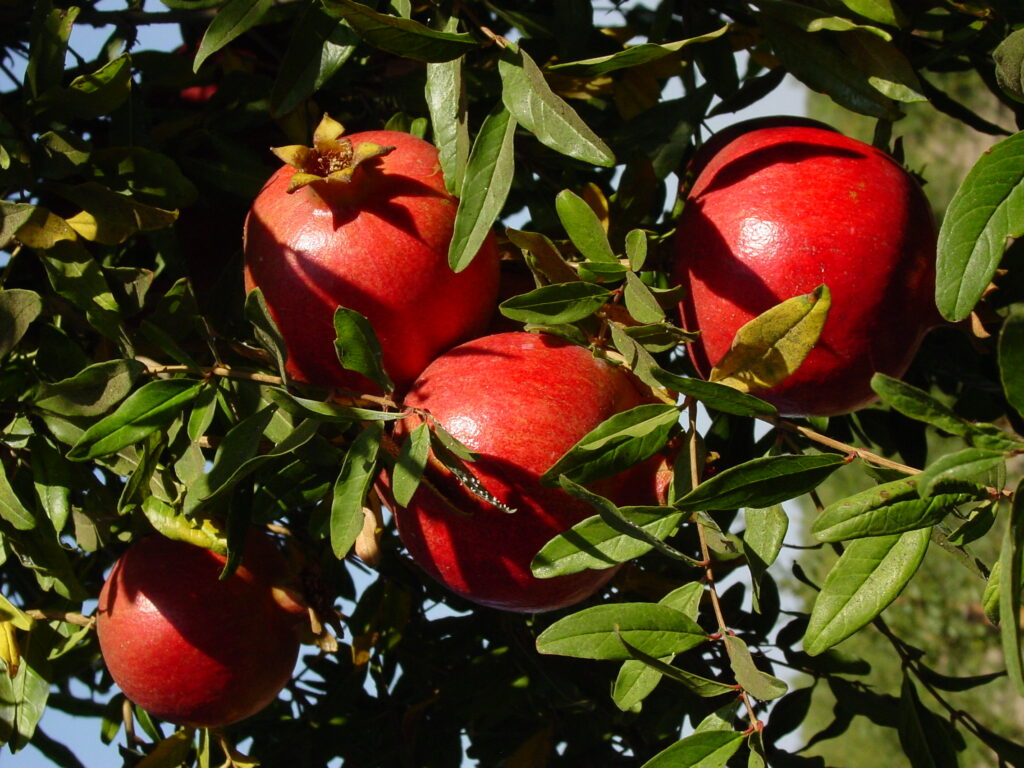



Despite a slightly delayed start, California-based processor Stiebs expects a typical-sized 2025 pomegranate crop.

The company produces a range of juice products from California-grown fruits, including clarified juices and purees from cherries, blueberries, raspberries, apricots, and grapes.
“The size of the crop is about a normal crop,” Jerry Pantaleo, procurement manager at Stiebs, tells FreshFruitPortal.com. “They’re just getting started picking Wonderful, which is the main variety this week in the valley here, and right now the quality appears to be okay.”
Pantaleo says that processing has not yet begun, but is likely to start in the next ten days, once packing houses begin generating byproducts.
“At the end of the season, whatever's left on the trees, we have some growers go back and pick all the leftover pomegranates and send them in for juice processing,” he explains.
Pomegranate's squeezed by costs
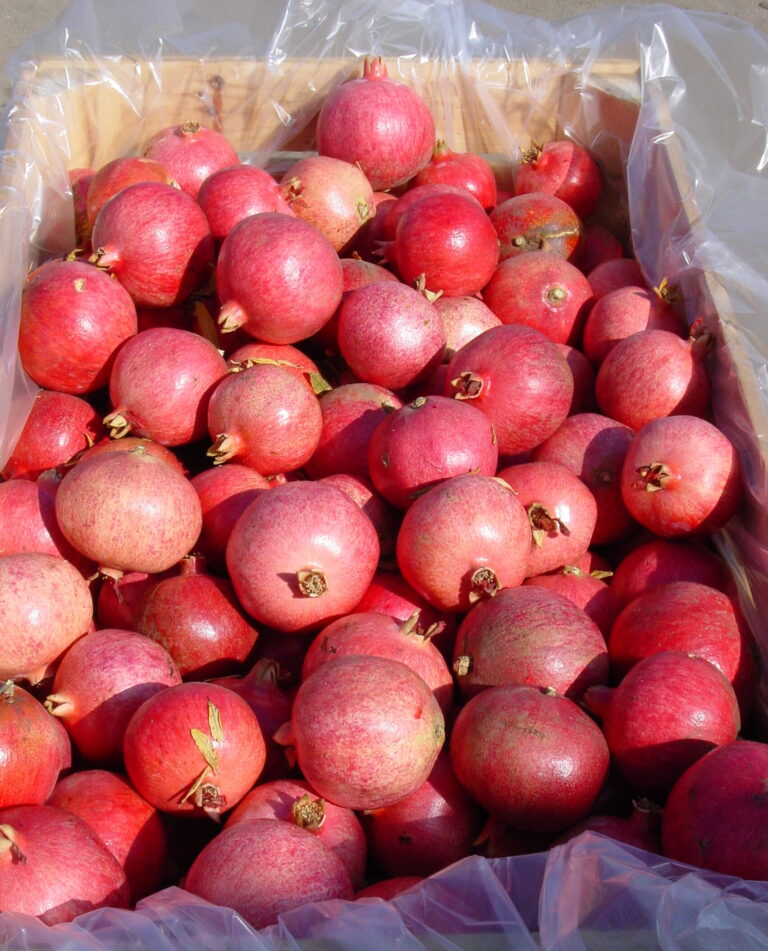
Panataleo says the company faces considerable margin pressure, especially in the global concentrate market, where Turkish suppliers pose a significant pricing challenge.
“Türkiye can have a cheaper cost of production than we do in California, so you have to have a customer that needs a better quality product,” he says. “Otherwise, they're going to buy something that's not quite the same quality because of the price point.”
While the demand for pomegranate juice concentrate exists, price sensitivity is limiting growth.
“To get a bigger piece of the pie and increase sales, you’ve got to drop your price,” stresses Pantaleo. “Last year was a higher cost to do business, and the sales were a little sluggish for concentrated juice.”
To address this, the executive states that Stiebs has worked to drive costs down, reducing the price point and helping to stimulate sales.
Organic juice demand outpaces supply
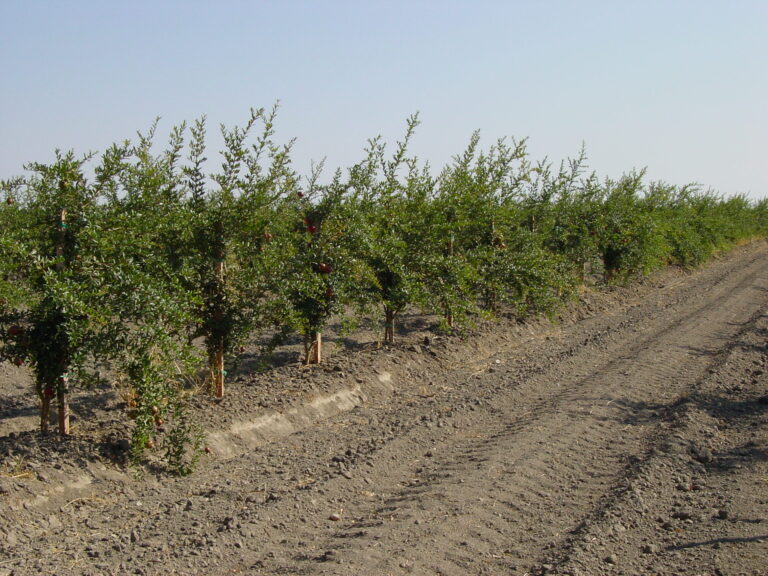
Stiebs reports strong demand for organic pomegranate juice, which it sells frozen rather than as concentrate due to pricing considerations.
“Organic is a good, strong demand,” Pantaleo explains. “There's probably more sales than there is fruit available.”
He explains Stiebs processes most organic palm in the juice, and doing it in a concentrated format would make a product that's just too high-priced for the customer base.
However, one key challenge for the category remains in securing early-season buyers.
“We encourage the customers to make a commitment as early as they can, and we have to honor our commitments [...] versus somebody in December that wants to buy. You’re just not sure what you’re gonna have available.”
According to the US Department of Agriculture’s Economic Research Service, California is responsible for over 90 percent of US pomegranate production, with harvests typically running from late August through early December.
The Wonderful variety accounts for the majority of the commercial crop.
*All photos courtesy of Stiebs.
Related stories
India's first sea shipment of pomegranates reaches the U.S.



Subscribe to our newsletter