

BANA takes on banana crisis: Climate, tariffs, price hikes, and disease threaten North American supply



Last week, amid climate challenges and regulatory hurdles, banana giants officially announced the birth of BANA, the Banana Association of North America.


Led by executives from global industry leaders Dole, Fyffes, Fresh Del Monte, and Chiquita, the industry organization certainly has its work cut out for it.
The Consumer Price Index (CPI) for September continued to solidify a trend the market has been closely watching since April—a banana price increase currently at 5.4 percent, as reported by CNBC. The hike threatens the historical stability of America's favorite fruit, which economists had believed to be "inflation-proof".
Peeling away tariff woes
According to the news outlet, the banana price hike started with the first White House tariff announcement, also known to the Trump Administration as Liberation Day.
Back in April, then-unlaunched BANA warned of the annual $250 million price hike on the fruit due to the blanket 10 percent reciprocal tariff imposed by the US on most countries worldwide.
Today, top producers Guatemala, Ecuador, Colombia, and Costa Rica are still subject to the levy, as they don't qualify under the executive order exempting some agricultural products “not grown or produced in sufficient quantities in the US" from tariffs.
"Although the Administration stated that one of the purposes of reciprocal tariffs is to bring more business to the US," read the statement, "bananas and other tropical fruits cannot be commercially grown in the US. Rather than fulfilling this purpose, American consumers shopping for bananas will see prices rise at supermarkets across the country."
The urgent need for a banana organization in North America
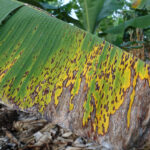
Tariffs are only one of the problems the industry is currently facing. Add to that extreme climate events and the resulting proliferation of diseases decimating plantations in Central America, and you have a big challenge in your hands.
In his role as Executive Director of BANA, Tom Stenzel has undertaken the difficult mission of protecting the industry in North America and driving consumer demand.
What kind of organization will BANA be? What will its primary focus be, and how involved will it be in the fruit's trade?
BANA plans to be very active in communicating with consumers to re-engage with them about the banana category. That will certainly include working with retail, wholesale, and foodservice customers.

BANA executive director Tom Stenzel.
Why launch BANA now? Is there anything in particular about this moment in the industry that warranted the creation of the trade organization?
We actually formed the association legally last year, but have generally been quietly working on issues such as tariffs. Following the IFPA, the companies decided to announce the association more broadly to the trade and outline a specific category-building focus.
Membership is limited to importers and marketers of bananas in North America. At the moment, we are not aware of other companies wanting to join, but that is certainly possible.
Tell us a bit more about the challenges facing the industry right now and how BANA plans to address them.
I’d mention climate change, disease pressure, and regulatory burdens the industry faces. Companies are doing a lot of research and work to adjust to changing weather patterns and new diseases.
We also face pressures in international trade, such as tariffs. Collaboration in all of these areas will help support the industry overall in serving our customers and consumers.
What will be the first steps for BANA? Are there any specific plans or timelines in the short- or medium-term?
No immediate timelines, but we’re beginning to look at specific initiatives that might help support the category. I would expect BANA’s outreach to grow in 2026.
Related stories
Fresh Del Monte: global banana shortage will require “substantial adjustments”
Climate change threatens banana export industry
Costa Rica's banana exports plunge 20 percent due to extreme weather





Subscribe to our newsletter