








Tru-Cape’s 2025 cherry season begins under ideal conditions—growers anticipate strong, early harvest
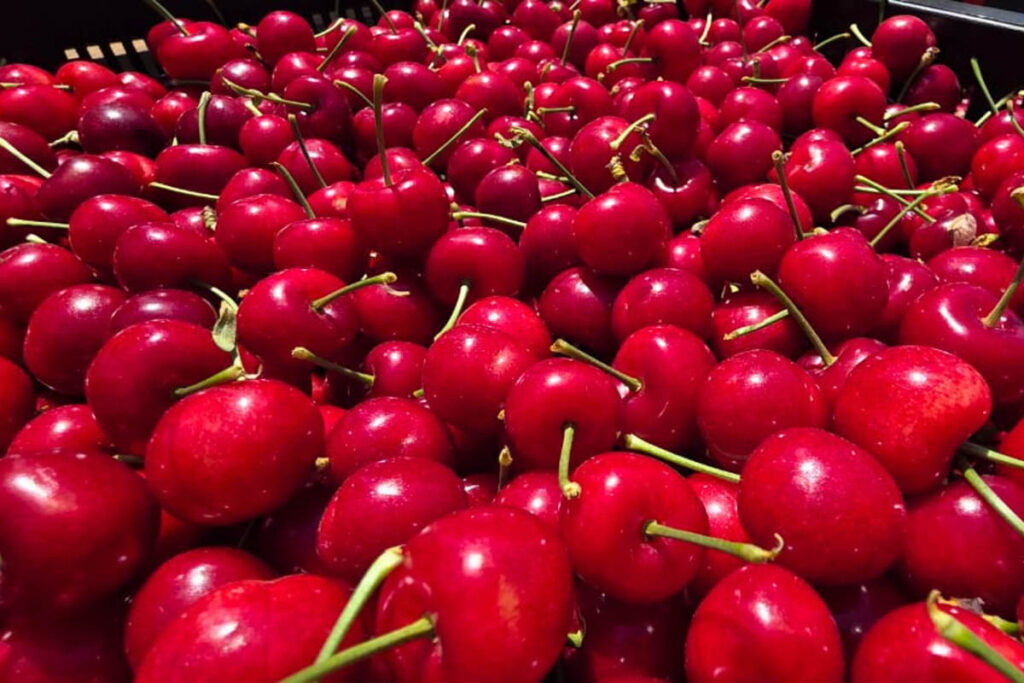


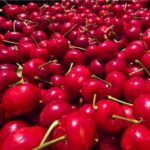
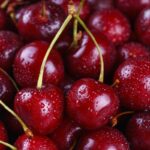
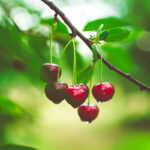
Trees laden with clusters of glossy red cherries signal the start of Tru-Cape’s 2025 cherry season in Ceres, South Africa. Thanks to near-perfect growing conditions this spring, producers expect a crop between five and seven percent larger than last season, along with excellent fruit quality.

“The growing conditions have been among the best we’ve ever experienced,” says Calla du Toit, Tru Cape’s procurement director. “We had good rain before flowering, and then warm, sunny weather during bloom—perfect for cherries. That meant excellent pollination and strong fruit set across the board.”
The warmer spring has also boosted natural sugar levels, promising sweet and juicy cherries. Early sugar readings have already exceeded 25° Brix, indicating outstanding eating quality.
“We’re really optimistic about this year’s crop,” Du Toit adds. “The cherries are tasting fantastic. Everything points to a season of exceptional quality.”
A promising South African cherry season
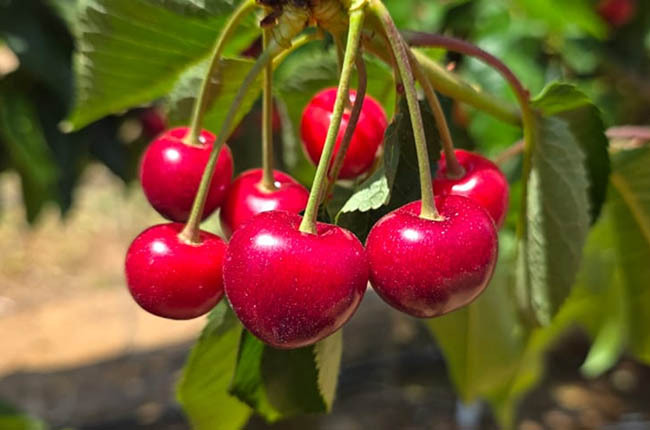
Deon Malherbe, a Tru-Cape cherry producer from the Eselfontein farm near Ceres, says the region is on track for its largest cherry harvest.
“Alongside strong yields from established orchards, many young blocks are bearing fruit for the first time this season,” he says.
Harvesting began about seven to ten days earlier than last year, says Nico Verhoef of Witzenberg Properties, one of Tru-Cape’s leading cherry producers in the region. The earlier start is expected to extend the marketing period ahead of Christmas, when demand typically peaks.
“Cherries are much higher on consumers’ shopping lists in the run-up to Christmas than afterward,” notes Du Toit. “The earlier season gives us an extra week of sales, which is highly beneficial.”
Cooling investments aim to extend shelf-life
One of Tru-Cape’s key growers in Ceres, Witzenberg Properties, has made further investments in cooling infrastructure this year, focusing on faster pre-cooling and cold-chain precision.
“We’ve upgraded our hydro-cooling system to bring fruit temperatures down as quickly as possible after picking,” explains Verhoef. “We use smaller trucks to move cherries more frequently from the orchard to the packhouse. The faster we cool the fruit, the longer it lasts—and we believe this will make a real difference this season.”
With electricity disruptions in the region—known locally as loadshedding—now a far smaller risk than in recent years, producers can focus fully on maintaining optimal temperatures throughout the cold chain.
Exports expand as Tru-Cape eyes China
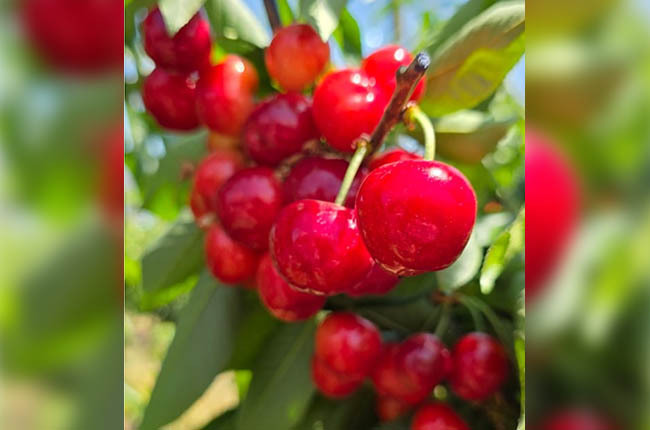
While Tru-Cape cherries preserves a strong local presence, the company is also expanding into new export markets amid growing international interest.
“While most of our cherries will still be sold locally, a significant share will be shipped to Europe and the UK this year,” says Du Toit.
Exports mainly take place via airfreight to reach markets ahead of Chilean supply, but Tru-Cape is also trialing shared freight shipments to make exports more efficient, adds Verhoef.
A Chinese trade delegation is scheduled to visit local orchards and packhouses later this season to assess potential market access.
“There are significant opportunities in China,” says Du Toit. “South Africa has a two- to three-week advantage before Chilean cherries enter the market. That short window could be extremely valuable for our industry.”
To meet evolving expectations, Tru-Cape producers are testing new cultivars and improved rootstock combinations designed to deliver larger, more uniform fruit.
“International buyers increasingly prefer cherries 24 mm and larger. In the past, 22 mm was fine, but now we’re adapting our orchards and thinning practices to meet that demand”, Du Toit adds.
Sustainability and community spirit
The firm continues to prioritize sustainability in both farming and packaging. Tru-Cape is introducing eco-friendly packaging made partly from recycled paper, reducing plastic use, and supporting a more circular economy.
Growers are also encouraged to plant fynbos—some of South Africa’s native plants and bushes—around orchards to promote biodiversity and attract pollinators essential for fruit production.
Ceres remains the country’s primary cherry-growing region, hosting South Africa’s largest cherry acreage and the annual Ceres Cherry Festival, which takes place the first weekend of December.
*All photos courtesy of Tru-Cape.
Related stories
After years of great investment, Tru-Cape growers celebrate record Pink Lady packouts
Tru-Cape welcomes Johan Brink and Calla du Toit as board members to drive strategic expansion
South Africa in talks with the US to secure fair trade deal




Subscribe to our newsletter