








Beyond walnuts: Chile explores opportunities and challenges for pistachio cultivation
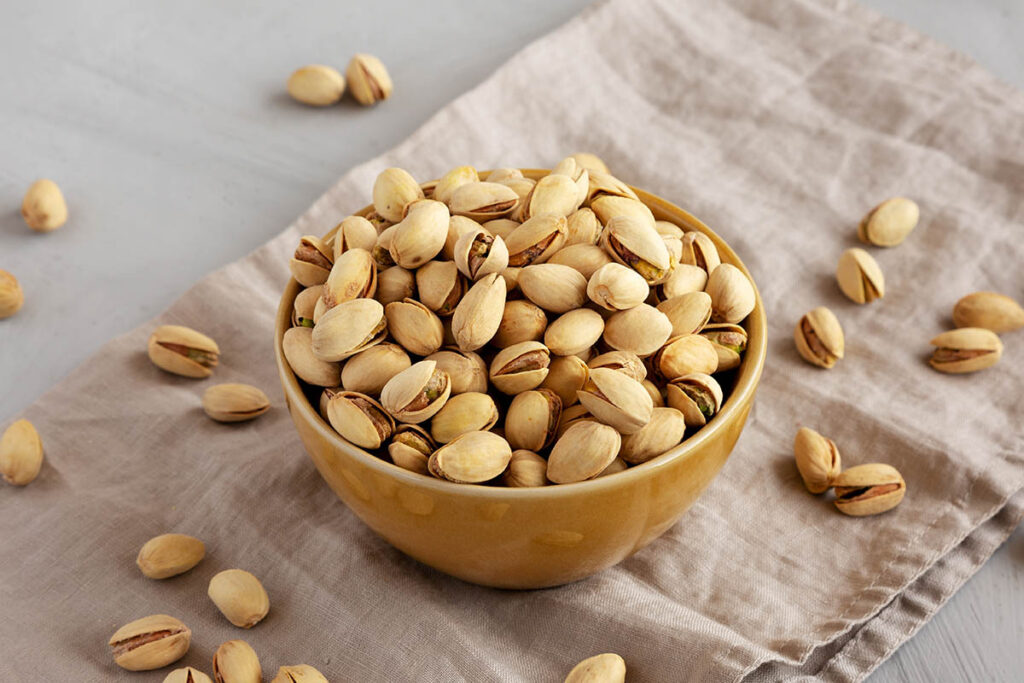


If you've tried Dubai chocolate, you're familiar with the pistachio craze.

The delicacy went viral on social media back in April, adding kindling to the fire of a longstanding trend. Now, every bakery and café caters to sweet tooths and influencers alike, carrying at least one pastry or dessert prominently featuring the green nut.
The United States is the world's largest pistachio grower, accounting for approximately 70 percent of global production, with almost all of it originating from California.
Chile is not a large producer of the green nut—neither globally nor regionally—but that could change in the future.
At the Fruittrade 2025 conference in Santiago, Chile, Miguel Caruso, an agronomic engineer at EasyNut, analyzed the current global pistachio landscape and the potential of the Latin American country for cultivating one of the most profitable and attractive nuts in the world.
Pistachios, a green goldmine
Caruso explained that global consumption has grown, driven by the search for healthy, sustainable, and high gastronomic value foods.
"However, in Chile, this crop is still taking its first steps," he said.

The Andean country has extensive experience in walnut cultivation, which could serve as a basis for developing the nut and unlocking market potential. But competition is steep.
Globally, the US alone has a planted area of almost 618,000 acres, accounting for 786,000 tons of nuts annually.
Iran, Türkiye, and China follow the US, but not closely. The Middle Eastern nation is the runner-up in the race, but its production is slightly over 307 thousand tons, which is less than half the American production.
The US surpassed historical pistachio leaders, Iran and Türkiye, primarily due to California, where genetic innovation, irrigation mechanization, and agronomic management have enabled increased yields and quality.
Spain, Australia, Argentina, and Uruguay have also joined as new expanding producers. Argentina alone has over 22,000 acres planted and a consolidating industry.
Chile doesn’t have a pistachio industry—yet
The nut expert pointed out that Chile has barely between 370 and 740 planted acres, most of which are experimental projects with low productivity.
"Today we cannot speak of a pistachio industry in Chile," Caruso emphasized.
The country, he says, presents significant challenges for pistachio growing, including a lack of technical knowledge, poor selection of planting areas, and a scarcity of certified plants adapted to the local climate.
Pistachios are a resistant and long-lived crop, with a productive life of up to 100 years. However, they require very specific climatic and soil conditions.
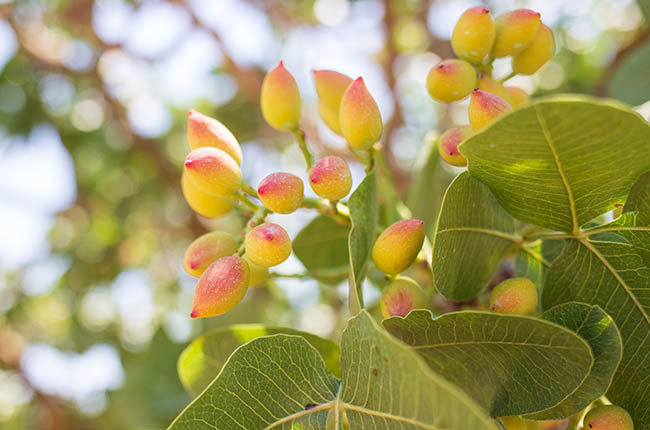
"They need well-drained soils, neutral to basic pH, and between 600 and 1,000 hours of winter chill, in addition to adequate accumulation of growing degree days to complete their cycle," he said.
Caruso emphasized that new varieties, such as Golden Hill and Lost Hill, developed in California, offer better results due to their lower cold requirements, earlier maturity, and more stable yields.
These are key factors for their adaptation to the Chilean Mediterranean climate.
"If the areas are well chosen and modern technical management is applied, Chile can develop a competitive industry," Caruso stated.
Pistachio projection in Chile
With a focus on agronomic management, the specialist noted that the challenge lies in post-harvest and export operations.
"Chile's domestic consumption of pistachios is low, and production costs are still high—around $2,400 per acre, so the future of the crop will depend on its ability to enter international markets," he said.
Caruso concluded that pistachios should not be seen as an agricultural curiosity, but as a strategic opportunity: “With more adapted varieties, specialized technical management, and an export-oriented vision, Chile could become a relevant player in the southern hemisphere in the coming years."
Related stories
Wonderful Pistachios announces partnership with NFL MVP Josh Allen
U.S. dry fruits market to experience steady growth through 2033
California's almond industry knows a diverse export market is essential in the face of tariffs








Subscribe to our newsletter