








California cracks “vintage” crop: Walnut quality and yields hit new heights
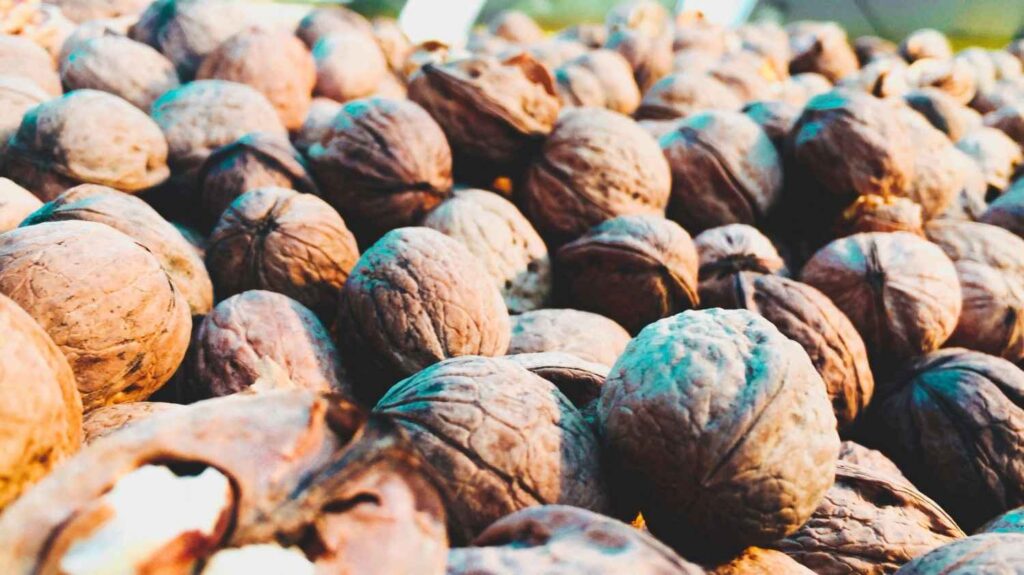



California walnut growers are harvesting a “vintage year,” with excellent quality and demand soaring across key markets.

California Walnut Board and Commission CEO Robert Verloop tells FreshFruitPortal.com that initial forecasts may even fall short, as the organization estimates a six percent increase over the original 710,000 short tons projected by the United States Department of Agriculture (USDA).
“Walnuts like a little bit of a cooler winter, and then a mild to warm summer. And this year was exactly that,” Verloop says of the ideal conditions that contributed to this 2025’s bountiful crop. “We're still harvesting, but we anticipate that the number will be something around the 750,000 short tons.”
But there’s more to this year’s California walnut crop than just abundance. Verloop says that the kernel size was also two percent larger than the average of the past two years, with optimal color and quality. Crop utilization improved as well.
“Normally, in the hauling and drying operations, we remove those walnuts that are not marketable. And this year, we just don't have a lot of them,” he explains.
A golden harvest
With a “phenomenal weather year” across growing regions, Verloop says the season’s favorable metrics are expected to support grower returns as the market transitions from 2024’s smaller volumes.
“Last year’s carry-in was all pre-sold for September and October. So sales are of fresh new walnuts that are going into the market,” he says.
Verloop adds that post-harvest handling and consumer education are vital in maintaining the quality California walnuts are known for.
“In the walnut industry, when you talk about quality, you're also talking about the size of the kernel in relation to the shell, and as I said, they're really full this year,” he says. “What we see is a walnut that's capable of being stored for a very long period of time.”
With the Golden State’s temperatures presently going down, Verloop says, “it’s a really good time” for the drying process, because the internal temperature of the walnut is not that high.
“When it goes into storage and then shipments go out over the next couple of months, we see this high quality,” he adds. “All of those things contribute to a really good shelf-life. The term I have always used is actually taste-life. Because taste and flavors are what this is all about.”
Markets on the move
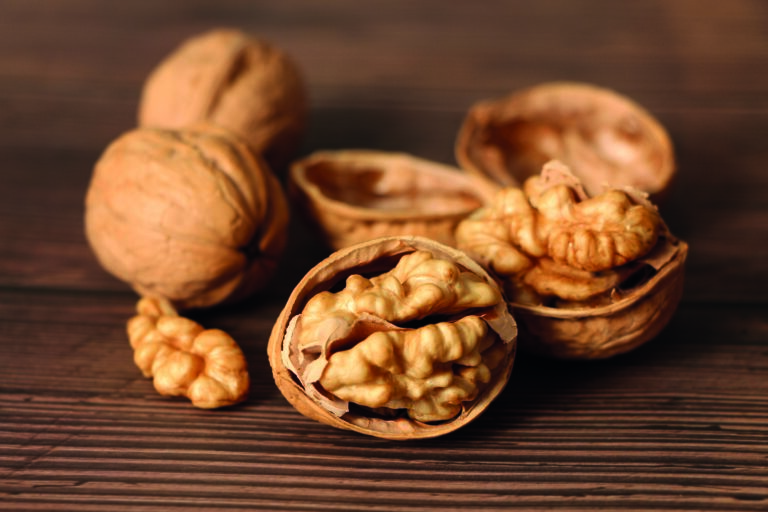
Despite market adjustments seen in other California nut sectors, Verloop says walnut exports remain stable and expanding.
“Germany’s share grew last year, even though we had a smaller crop,” he says, noting a 15 percent increase in shipments to that destination.
The European Union, the United Kingdom, Türkiye, and India continue to be California’s core trade partners. However, Verloop says Southeast Asia and North Africa are emerging as key growth markets.
He explains the industry has marketing programs in nine countries funded with grants from the US government, the USDA, the Market Access Program, and the California Walnut Board and Commission’s own grower funding.
Around 35 percent of the Golden State crop remains in the US, where the commission’s Feel Good campaign promotes walnuts’ versatility and health benefits to younger consumers, as well as the growing plant-based crowd.
Additionally, the commission is supporting innovation and ingredient usage, with walnut-based creams and even meat substitutes.
“Because it's crunchy and has that oil content, [the walnut] gives you that same sensation as eating some animal protein, some meat,” he says.
Balancing growth and headwinds
While production is robust, Verloop acknowledges that the global nut industry faces challenges from oversupply and rising input costs. He mentions the increasing costs of fertilizers, plant control materials, labor, and shipping have been tipping the scales—and not in their favor.
“We've got to find the right balance between that demand, but also demand at the right value equation,” the executive explains.
To offset those pressures, the board is emphasizing year-round consumption and improved retail placement. Holiday promotions remain a key driver of seasonal sales, with programs running from Halloween through New Year’s in the US, and also tied to cultural festivals such as Diwali and Ramadan overseas.
“We have a solid production base and think that, as the global economy continues to recover and get stronger, that will give consumers even greater reason to buy more walnuts,” he says.
Related stories
Walnuts may aid in colon cancer prevention
Walnuts may improve brain function
Walnuts may be a natural food-based approach to better sleep



Subscribe to our newsletter