








Kenya, New Zealand emerge as key actors in China's growing avocado market
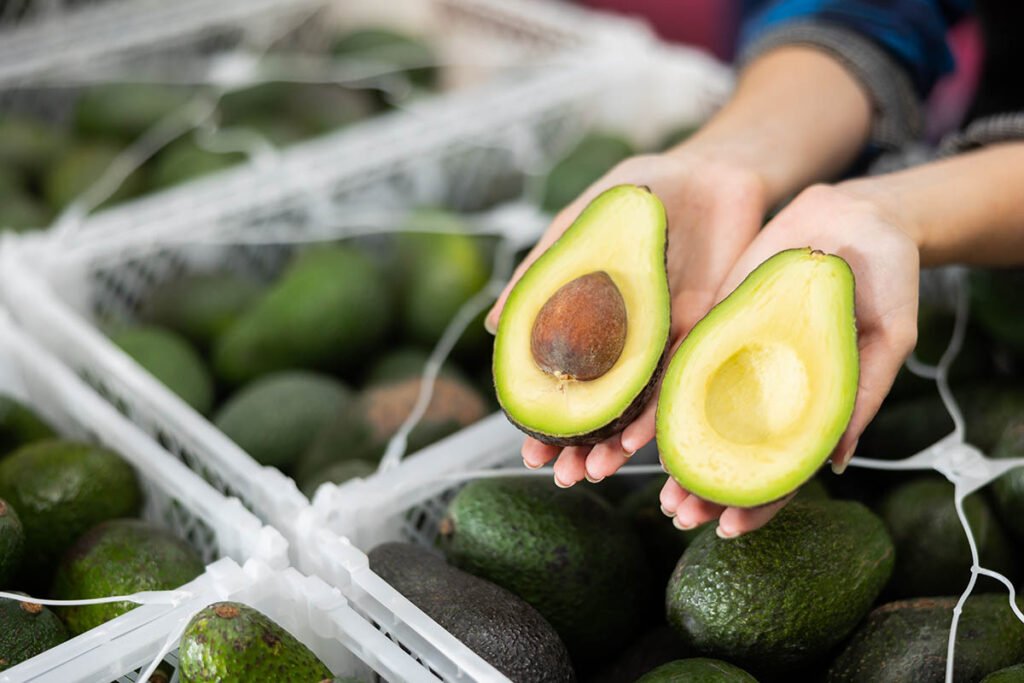


Between 2012 and 2023, fresh avocado imports to China increased steadily, solidifying the country's position as a significant destination in the international market.

However, in 2024, the Asian Giant suffered a nearly 25 percent drop in imports, which altered local market dynamics, resulting in price adjustments and more cautious consumer behavior, says Fluctuante’s Fresh Avocado Suppliers to China: 2012 – 2024 report.
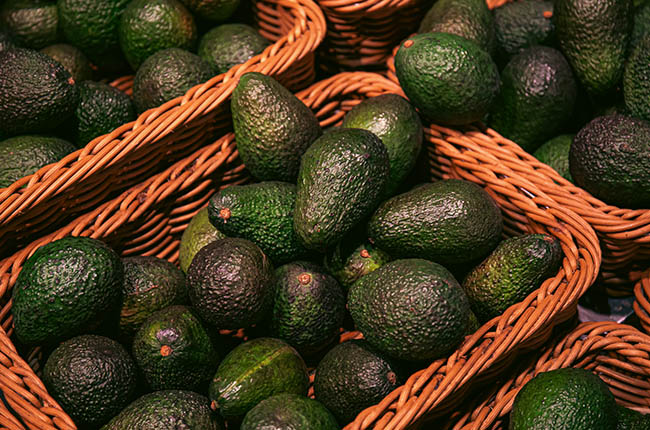
Today, China ranks eleventh among the main avocado-importing countries, a new position driven by a shift in Chinese eating habits, especially among young consumers. A preference for healthy, natural, easy-to-cook products also favors the incorporation of avocado into the daily diet.
The report highlights that, while local production has grown gradually in recent years, it remains insufficient, resulting in the country's strong dependence on foreign supply.
In 2012, China imported only 154 tons of fresh avocado, all from Mexico, its only supplier at the time. Twelve years later, the landscape had changed dramatically: in 2024, imports totaled 48,984 tons, more than 300 times the volume registered in 2012, driven by the expansion of consumption and the opening up to new origins.
Peru takes the lead
Currently, nine countries supply the Chinese market, reports Fluctuante. Peru now leads the shipments with 37,737 tons, displacing Mexico to fifth place. Chile consolidated its market share, while Kenya and New Zealand emerged as new players.
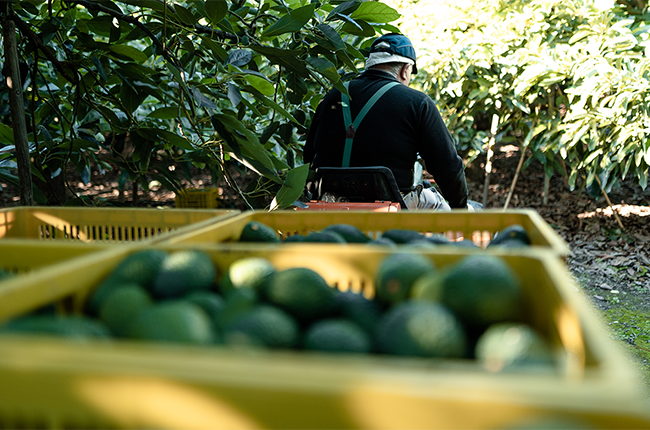
Peru’s new protagonist is attributed to the expansion of cultivated areas, the adoption of efficient irrigation technologies, and the strengthening of quality standards. Additionally, coordination between exporters and logistics operators ensured a constant and reliable flow to the Asian market.
However, Fluctuante points out that during the same year, the Latin American country’s avocado shipments to China decreased due to production difficulties from climate problems in the previous year.
The Port of Chancay has reduced fruit shipping times from 35 to 24 days, improving the efficiency and quality of the product upon arrival. The consumption of Peruvian avocados also benefits from several promotional actions, including activations in key cities such as Beijing, Shanghai, Chengdu, and Dalian.
What about Chile?
The South American country initiated exports to China in 2014, positioning itself as the second-largest supplier of fresh avocados. Since 2016, its shipments have shown a sustained decline, falling from 16,707 tons to 7,527 tons by 2024.
The report attributes this reduction to limited production due to prolonged droughts and the reorientation of the Chilean offer to other markets.
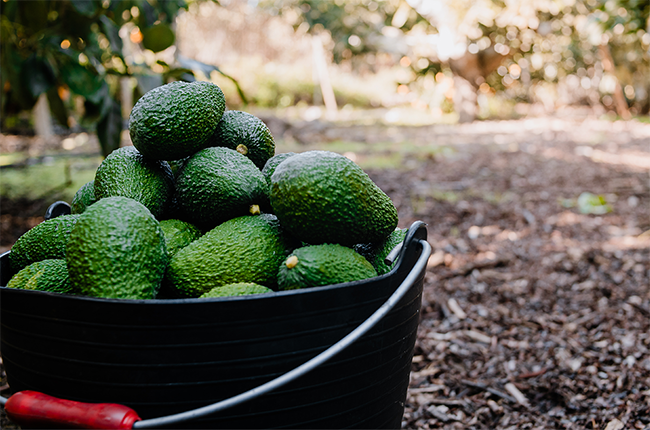
Furthermore, the expansion of competitors like Peru, with a more stable supply and consolidated commercial strategies in Asia, has progressively displaced Chilean participation in the Asian giant to markets like Europe.
Supply from Africa: Kenya is already the third supplier
The East African nation initiated its fresh fruit shipments in 2022, with trial airfreight shipments to Shanghai, which arrived in good condition and at competitive prices.
In a short period, Kenya has established itself as the third supplier to the Chinese market, increasing imports from 444 to 1,580 tons between 2022 and 2024.
Its strength lies in its production capacity for a large part of the year, which enables it to maintain a consistent supply. Additionally, as the main avocado producer in Africa, Kenya allocates about 40 percent of its production to export, which reinforces its international presence and provides greater competition in the Asian market for this fruit.
Growing supply from New Zealand
The country made its first commercial shipment of avocado to China in September 2018, with an initial volume of 154 tons.
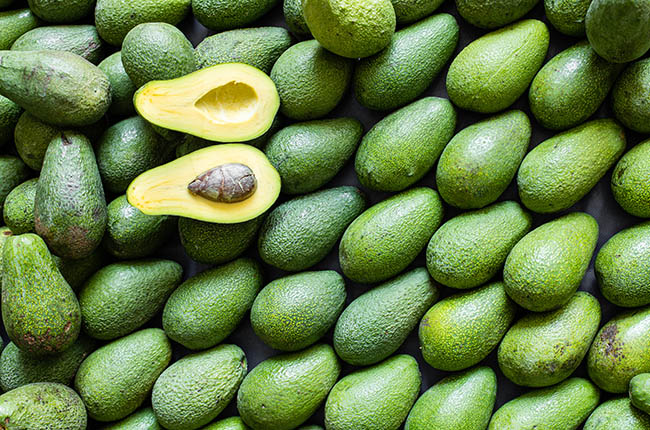
By 2024, its exports reached 1,193 tons, reflecting sustained growth driven by the professionalization of the sector, compliance with high phytosanitary standards, and the expansion of the cultivated area, mainly with the Hass variety.
With two annual harvests, thanks to the country's favorable agro-climatic conditions, New Zealand ensures a constant and competitive supply.
Furthermore, the flavor profile and appearance of the fruit, resulting from its degree of ripening and internal quality, give New Zealand avocado a differentiated advantage in the Chinese market.
Distance has affected Mexico
Although Mexico was China’s leading avocado supplier during its first importing years, its participation has steadily declined.
In 2012, China imported 154 tons of Mexican avocados, while in 2024 the volume reached 753 tons.
The long transport distance and limited shelf life of the fruit have increased the loss rate, reducing its competitiveness compared to other suppliers with better logistical conditions.
Related stories
WAO drives avocado success in India, eyes China for future growth
China can become largest avocado market if industry gets it right - Mr. Avocado






Subscribe to our newsletter