








Americans sweeten up with berries, Driscoll’s survey finds
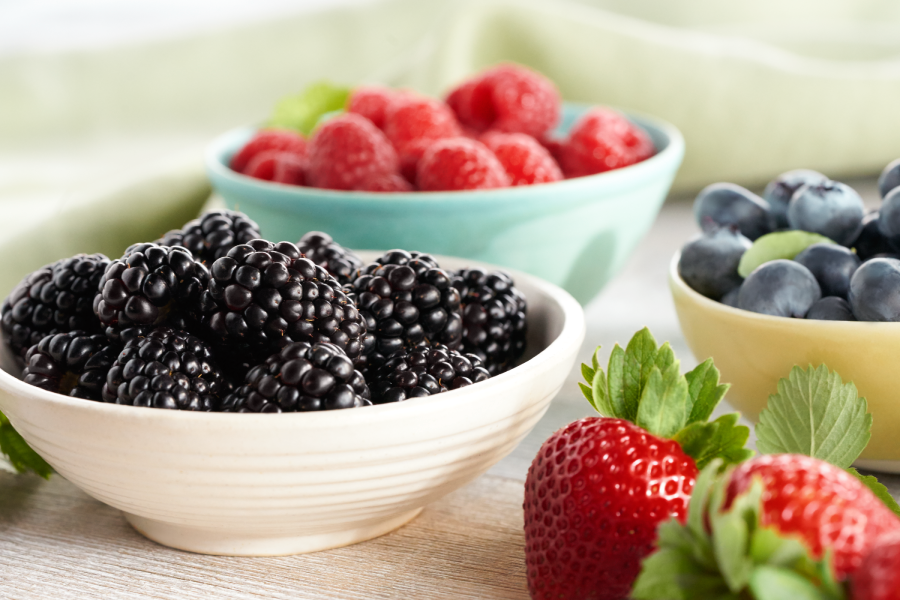


Forget the candy aisle—Americans are increasingly turning to the produce department when their sweet tooth strikes. A new Driscoll’s survey suggests berries are becoming the nation’s go-to “treat,” with consumers framing fresh fruit not just as a snack but as a feel-good reward that hits both the flavor and health notes.

The firm consulted 2,000 adults in collaboration with research agency We Are Talker and found that the category achieved new fame among health-oriented shoppers. The company also reports that 47 percent of respondents prefer sweet flavors over salty, savory, or bitter, and 53 percent associate sweetness with a reward.
The survey signals a move toward natural and less-processed foods. Driscoll’s says 42 percent of respondents believe sweet foods can be healthy when made with natural ingredients, and 60 percent define “healthy” as low sugar and salt. Freshness ranked second at 45 percent, followed by whole or unprocessed foods at 43 percent.
The link between berries and wellness isn’t new. A large analysis of US adults from the National Health and Nutrition Examination Survey (NHANES) found that berry consumers had notably higher diet-quality scores.
NHANES found more favorable cardiometabolic risk markers—including lower body-mass index, smaller waist circumference, lower total and LDL cholesterol, lower triglycerides and insulin resistance, and higher HDL cholesterol—compared with nonconsumers.
A more recent modeling study shows that replacing one daily serving of fruits like apples, bananas, or grapes with a serving of mixed berries increases intake of beneficial nutrients such as vitamin C, as well as dietary and soluble fiber — all with minimal change in calories, fat, protein, or cholesterol.
Berry strong demand
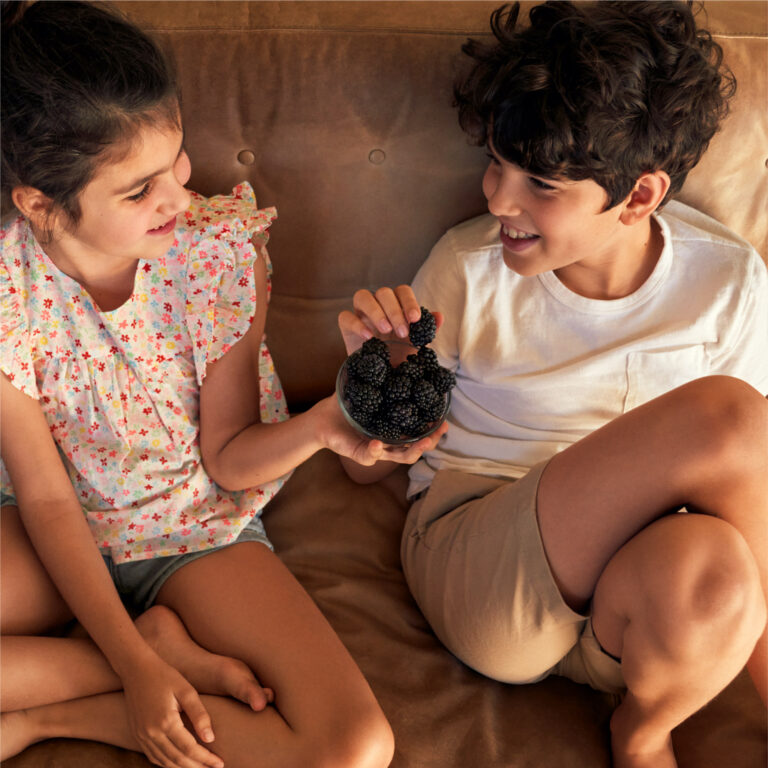
Driscoll’s reports that 53 percent of consumers eat berries at least weekly, with 10 percent eating them daily. The company says most respondents reward themselves with something sweet three to four times a week, usually around midday, and that 76 percent prefer to eat berries fresh and on their own.
Strawberries ranked as the most satisfying berry for sweet cravings, according to 70 percent of respondents. Blueberries followed at 48 percent, raspberries at 31 percent, and blackberries at 28 percent. Driscoll’s says taste (63 percent) and natural sweetness (56 percent) drive berry purchasing decisions, and 86 percent of respondents favor natural flavors over artificial ones.
Similar research also points out that consumers value fruit’s naturalness, taste, and sensory quality. Furthermore, when those are delivered, demand and willingness to pay increase. For example, a study of consumer perceptions published in 2021 revealed that many consumers appreciate fruit for such features.
Research on willingness to pay for fresh blueberries in a US consumer sensory-evaluation context shows that flavor liking, sweetness intensity, and fruit firmness strongly influenced purchase decisions.
On the other hand, generational patterns varied. Driscoll’s says Boomers and the Silent Generation showed the strongest preference for natural flavors and fresh berries. Millennials and Gen X prioritized freshness and organic or locally grown ingredients, and, among generations, Millennials were the most likely to view sweet rewards as healthy at 46.4 percent. Gen Z reported lower overall sweet cravings but associated them with fun or celebratory moments.
However, respondents across generations associate berries most with Thanksgiving, followed by Christmas and the Fourth of July. Two in three consumers said they plan to use berries in upcoming holiday dishes.
From findings to flavor strategy

Backed by this research, Driscoll’s aims to position berries as a natural alternative to ultra-processed sweets, connecting the survey results to its product development approach. The company describes its program as rooted in natural breeding methods aimed at specific flavor profiles and growing traits, with berries hand-picked at peak ripeness by its grower network.
“Flavor isn’t just a feature, it’s the essence of the Driscoll’s berry experience,” says Frances Dillard, chief marketing officer. “Our Research and Development Flavor Centers are laser-focused on innovation, turning consumer insights and curiosity into peak flavor. The data confirms that berries do more than satisfy cravings; they’re redefining what sweet means in a health-conscious world.”
Related stories





Subscribe to our newsletter