





Bananas on the brink: Weather, disease test US supply

Rain-soaked fields, stubborn fungal diseases, and tightening residue rules are converging in the world’s top banana-exporting regions.

Contract Research Organization (CRO) SynTech Research Group warns that these phenomena could soon put a strain on supplies flowing into the United States market, with serious implications for importers, retailers, and foodservice buyers through 2025 and beyond.
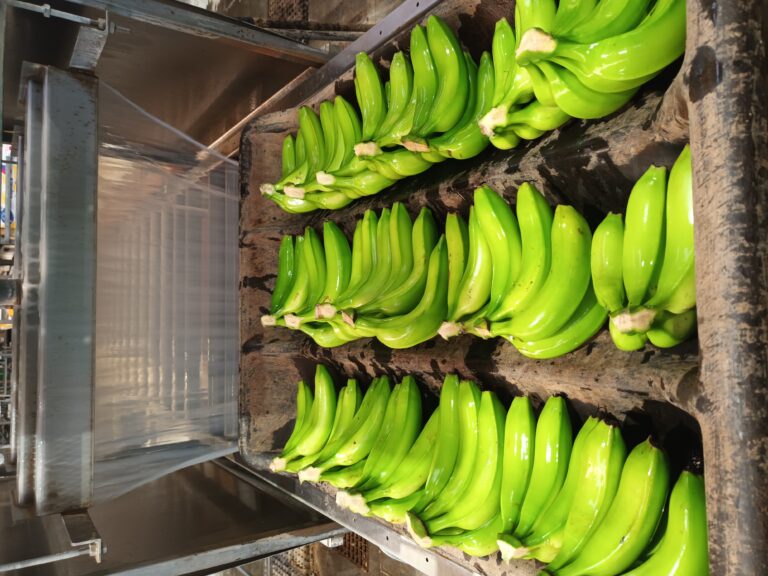
This year, in Costa Rica, banana exports fell by more than 20 percent after prolonged rainfall disrupted flowering cycles and intensified disease pressure, the group’s Global Business Development Director and Regional Director of Asia Pacific, Jasper Barnes, tells FreshFruitPortal.com.
“Banana growers face unprecedented challenges. Our mission is to provide science-backed solutions that protect crops, livelihoods, and the future of sustainable agriculture,” says Barnes.
Similar weather-related stress has affected major banana producers Ecuador and Colombia, contributing to irregular weekly volumes and occasional shipment disruptions. The former, which accounts for more than one-third of global banana exports, remains central to US supply but faces mounting biological and environmental challenges.
Preliminary estimates by the United Nations’ Food and Agriculture Organization (FAO) show bananas, along with other major tropical fruits, generated more than $122 billion in global revenue during 2024.
When it rains, it spores
Black Sigatoka, a highly contagious foliar fungal disease, remains the dominant threat across Central America and other banana-producing regions, SynTech emphasizes. Its effects are particularly strong under humid conditions, which is the norm in tropical climates.
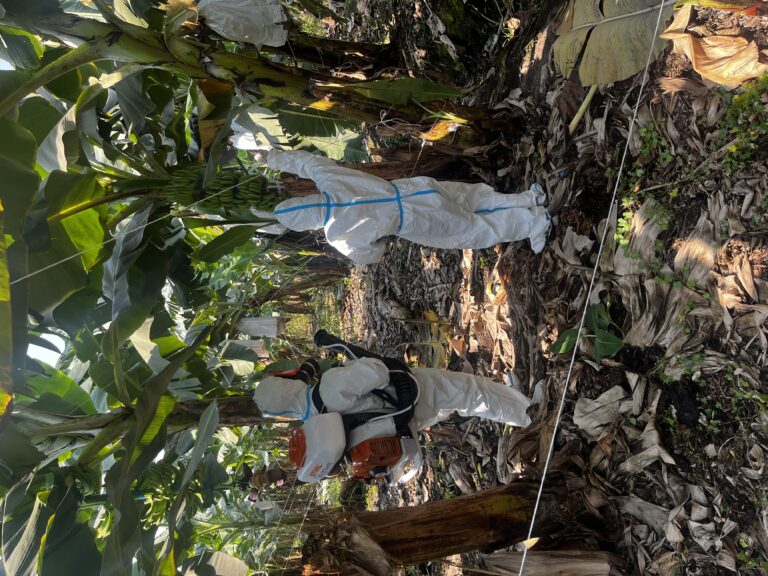
Recent trials conducted by the CRO indicate a gradual loss of efficacy in some fungicides, which need more frequent spray intervals and more disciplined rotation strategies to manage resistance.
“Costa Rica is one of the countries with high pressure from Black Sigatoka, and the gradual loss of efficacy has pushed growers to apply much more frequently,” Barnes says. “Buyers should require suppliers to document resistance management and maintain high biosecurity standards.”
From field trials to supply chain
SynTech is expanding advanced crop protection trials across Latin America, Africa, and Asia to address these concerns, Barnes says.
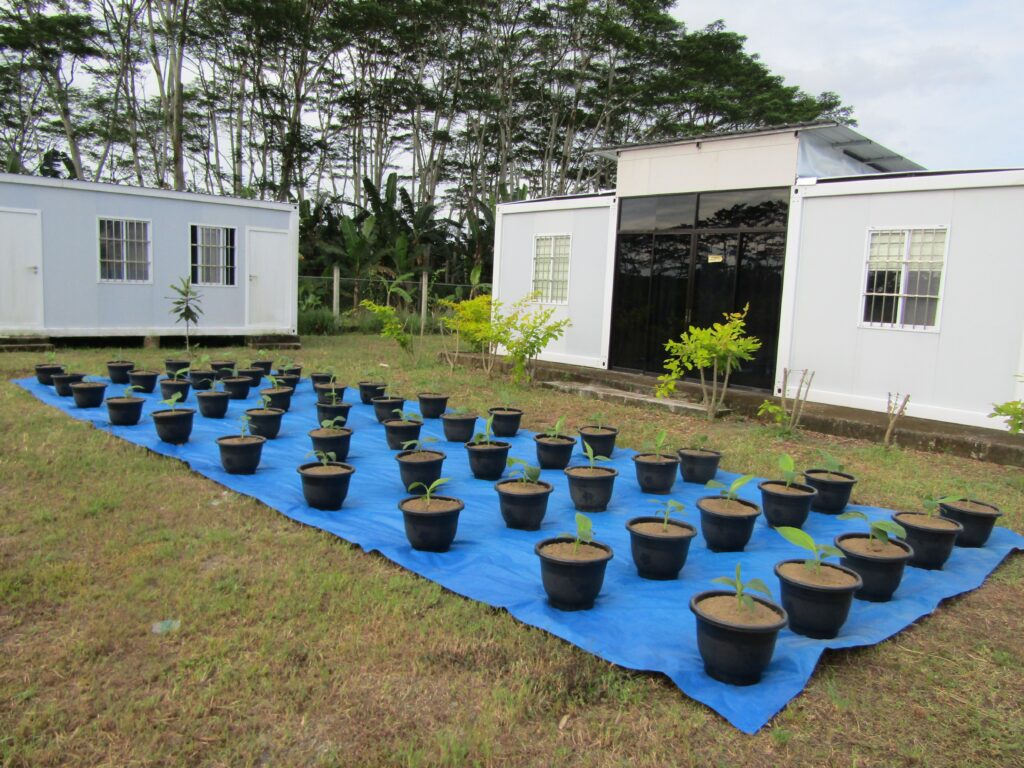
In Ecuador, the company operates a 21-acre experimental station supporting disease efficacy trials, biostimulant evaluations, and post-harvest simulations designed to replicate transport conditions to destination markets.
Complimentary trials in Colombia and Costa Rica focus on Black Sigatoka management and fruit resilience during shipping.
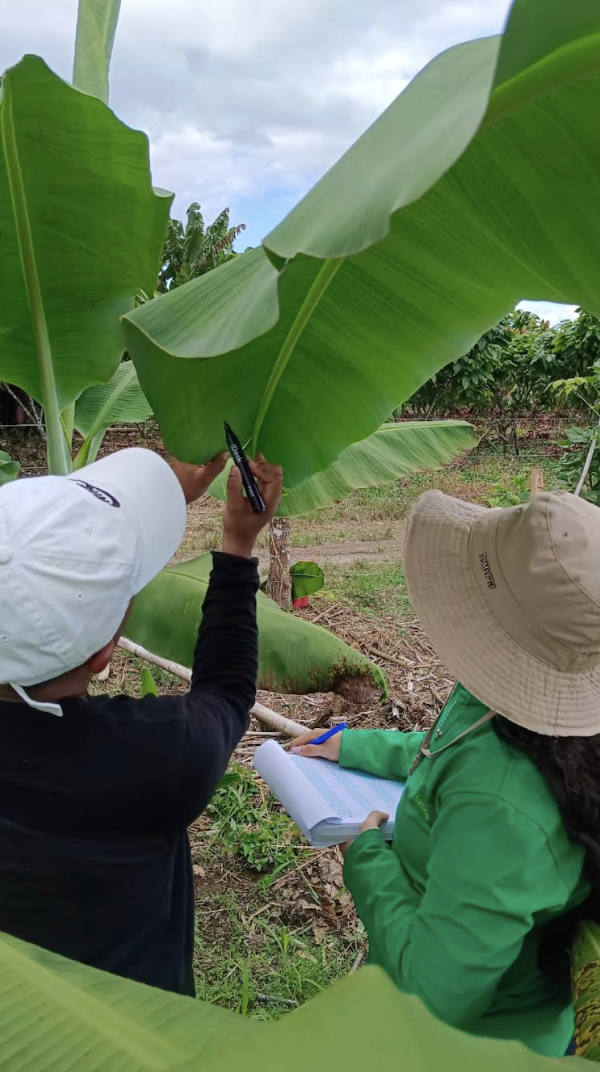
The company is also advancing work on biological tools, which Barnes says are nearing commercial readiness for bananas. “Adoption is limited by consistency and shelf-life concerns, but these tools help meet stricter residue standards,” he adds.
Emerging technologies, such as drone spraying and digital monitoring, are also moving closer to commercial deployment.
“Trials show these technologies can reduce chemical use, save labor, and improve quality. The best Return On Investment comes from targeted applications and improved compliance, but success depends on staff training and reliable data integration,” Barnes says.
The executive adds that SynTech is currently working with regulators to align the approval of new tools with stricter residue and safety standards. This involves harmonized data packages, real-world performance evidence, and proactive engagement with authorities.
“The goal is faster access to new solutions without compromising environmental or worker safety,” Barnes says.
*All images courtesy of Syntech.
Related stories
Ecuadorian banana guild to implement compliance evaluation system
Ecuadorian banana industry focused on marketing for consumers in 2025
Bananas are Europe's #1 fruit, outranking apples and oranges
Fresh Del Monte Produce and THACO AGRI sign strategic sourcing partnership for bananas.



Subscribe to our newsletter