
Hass avocado prices hit multi-year low in the US as Rabobank forecasts ample 2026 fruit supply

In its final North American Agrobusiness Review of 2025, RaboResearch, the market research arm of Dutch financial service expert Rabobank, is forecasting a bountiful new year.

The firm is projecting ample supplies of navel oranges and Hass avocados for the US and Canada markets, as well as a stable apple supply through 2026.
Navel orange prices soar
The report estimates California’s 2025/26 Navel orange crop, including conventional, organic, and specialty varieties, at 80 million cartons, representing a six percent year-over-year increase.
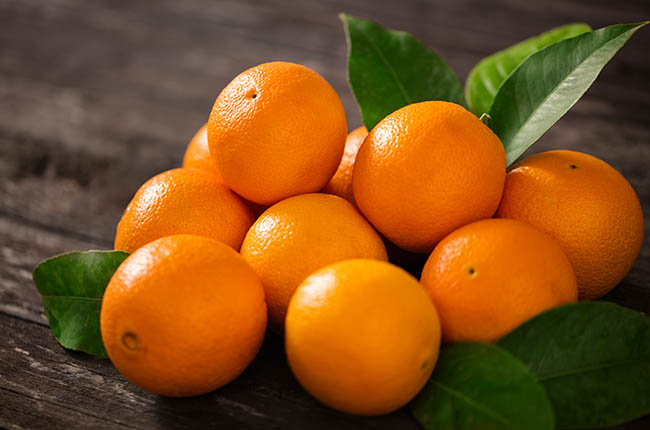
But that’s not the only number that went up this year. Shipping-point prices per carton also increased during the last months of the year. Rabobank notes that by mid-October, 88-sized Navel oranges reached $38 per carton, representing an eight percent year-over-year increase and a multi-year high.
Apples to last all of 2026, Rabobank says
The apple category presents a slightly more complicated landscape, as price points are more tightly tied to varieties.
Red Delicious and Fuji prices increased by 17 percent and 16 percent year-over-year, respectively, while Gala, Granny Smith, and Honeycrisp prices declined.
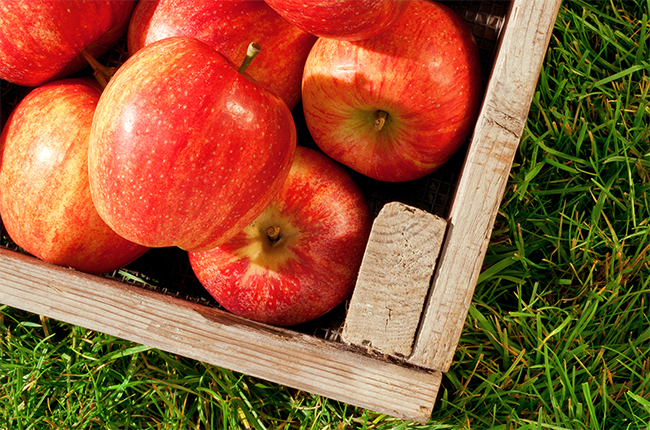
A strong 2025 apple crop will ensure ample supply in the coming year, though the industry remains concerned about potential oversupply and price pressures.
Hass avocados hit their lowest pricing since 2020
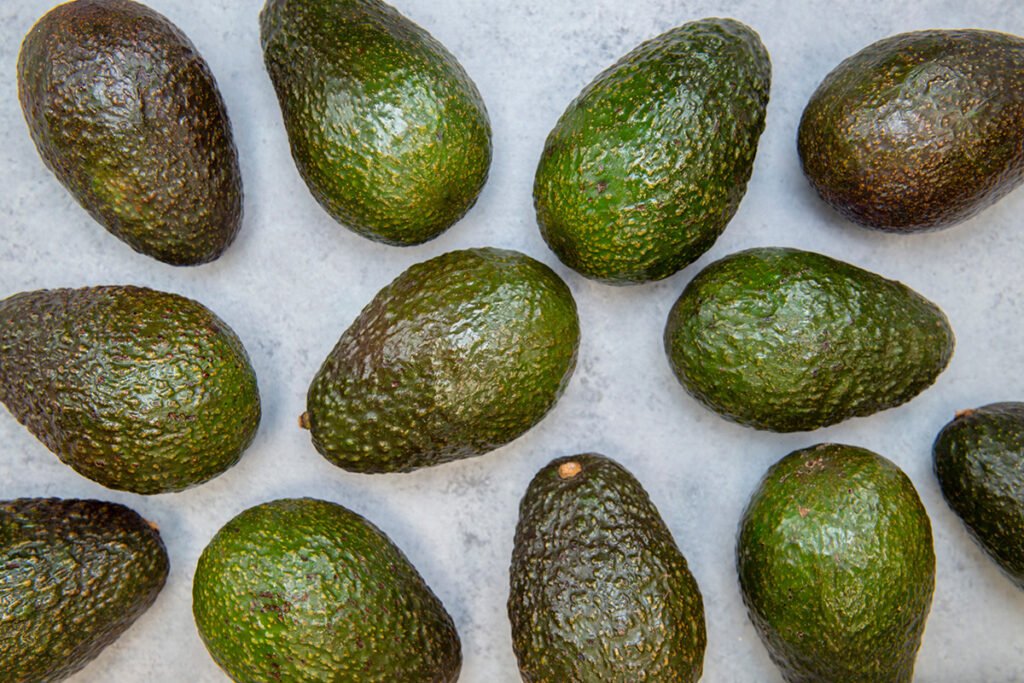
Hass avocado availability in the US market has increased significantly.
The Rabobank report attributes a 20 percent year-over-year rise in recent weeks to higher imports from Mexico, supported by a favorable rainy season in Michoacán.
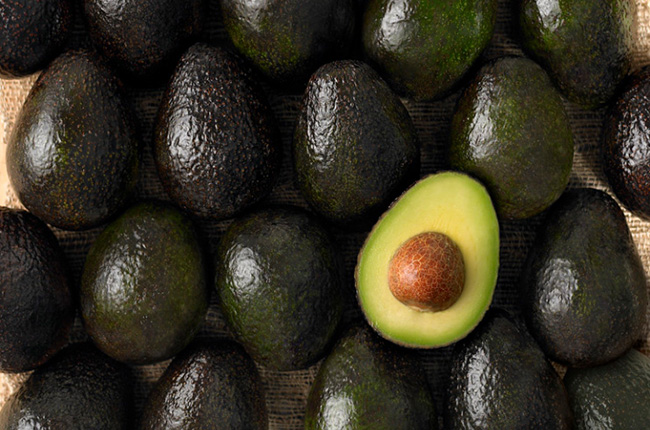
During the second week of October, Hass avocado shipping-point prices were approximately $32 per carton, the lowest since the same month in 2020 and 58 percent lower than at the start of the 2025 California season.
Related stories
Global logistics experts split on 2026 US trade forecast, but agree container overcapacity looms
Canadian apple outlook holds steady as drought caps deciduous fruit growth



Subscribe to our newsletter