
Westfalia Fruit Peru’s sustainable model: Quality, tech, and alliances drive global avocado export success

Written and reported by Macarena Bravo | Lee esta noticia en Español

Westfalia Fruit Peru promotes a sustainable agro-export model focused on quality, technology, and alliances with small, medium, and large producers
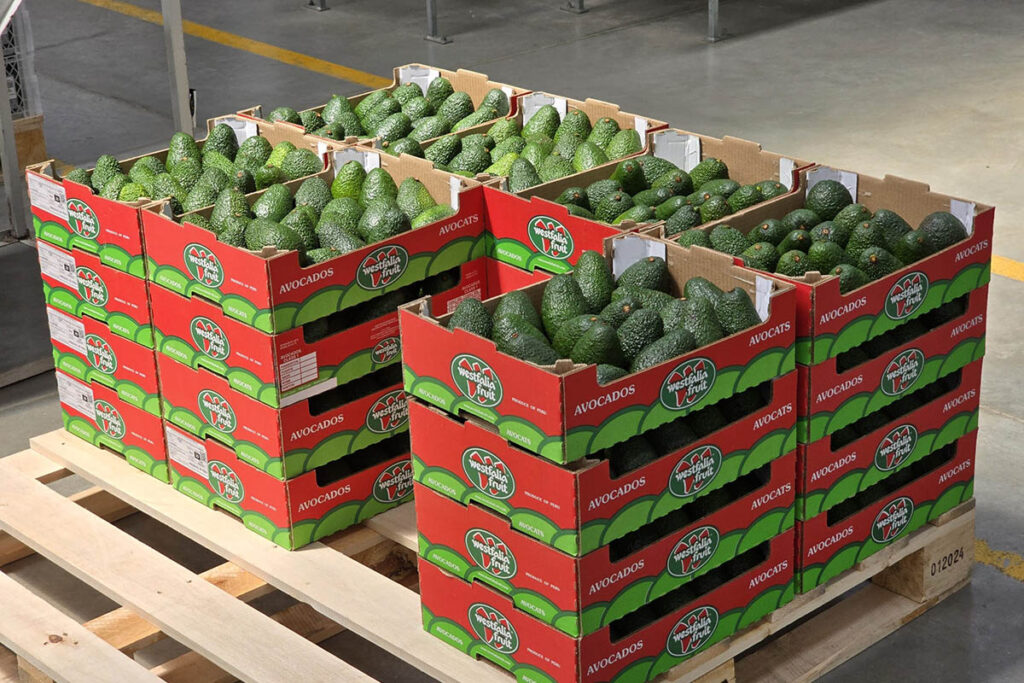
With over twenty years dedicated to developing Hass avocado, Westfalia Fruit Peru is comfortably positioned as one of the most significant and reputable agro-exporters worldwide.
Throughout the years, the company has strategically expanded its portfolio to include categories such as mangos, mandarins, and blueberries. However, its original premise has remained: avocado is the core of the business.
Omar Díaz, general manager at Westfalia Fruit Peru, told FreshFruitPortal.com that in 2024 the company exported nearly 43,000 tons of Hass avocados, establishing a new benchmark in both volume and quality.
Additionally, each year the company ships between 2,000 and 3,000 tons of mangoes and mandarins, a roster that now includes blueberries, with 500 tons exported. The fruit is still a new addition to Westfalia Fruit Peru's portfolio and primarily serves a complementary role in specific commercial programs.
Small farmers, the heart and soul of Westfalia Fruit Peru
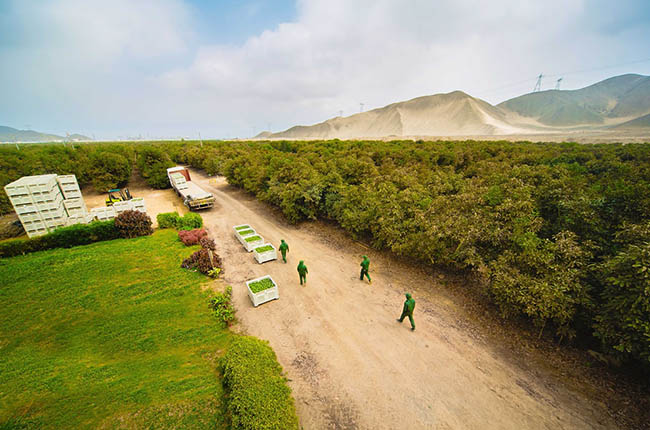
Díaz emphasized that Westfalia's Peruvian operation is characterized by being comprised almost entirely of partner producers. The company manages only 370 acres of Hass avocado, while the rest of the crop comes from a vast network of more than 500 producers, 400 of whom own less than 37 acres.
The model has allowed formal agro-export integration for farmers who, otherwise, would face significant barriers to meet global market demand, said the executive.
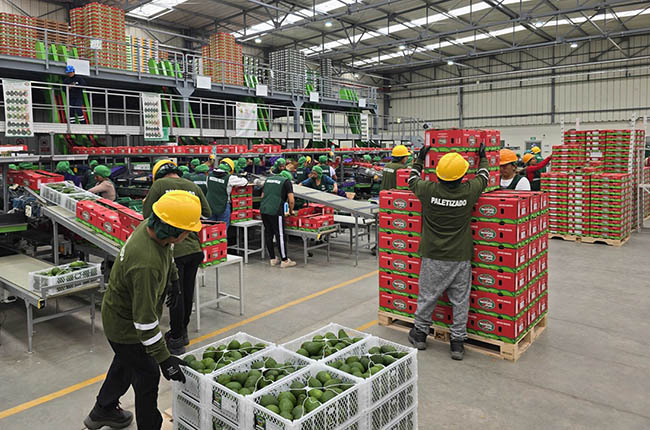
“We accompany the producers all year. Technical management, nutrition, irrigation, and sanitation are key to achieving high-quality fruit,” he noted.
One thing that sets Westfalia Fruit Peru apart from other international operations is the deployment of field teams. This initiative ensures growers apply good practices uniformly in all production zones, from the north coast to the southern highlands, the company’s main supply region.
Quality is the main focus
The executive stated that the global avocado industry increasingly demands consistency in the consumption experience. Which is why the company has set up high standards for its suppliers.
“At Westfalia, we have decided to work with a minimum standard of 22.5 percent dry matter, superior to the 22 percent required by Peruvian regulations,” Diaz said. “To achieve a creamy avocado, with good texture and uniform ripening at destination, care must begin in the field.”
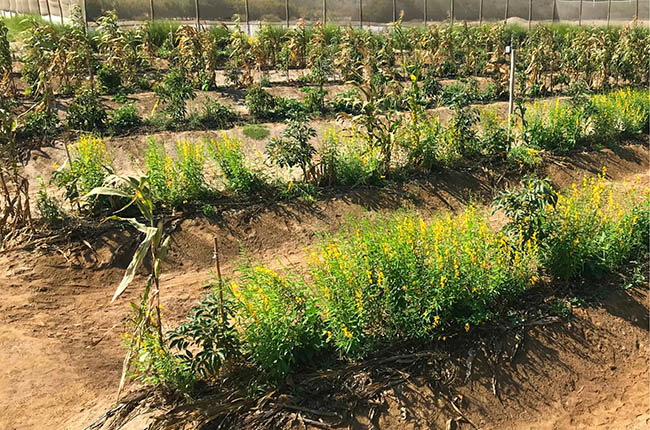
In addition to dry matter analyses, the company constantly monitors pesticide and cadmium residues and maintains a strict protocol for harvest and transfer.
Thanks to identification and documentary control systems, all fruit is completely traceable—from each lot to the final pallet.
Infrastructure and technology
When it comes to agricultural and post-harvest technology, Diaz says that Peru is one of the most advanced countries in the world today, and Westfalia Fruit Peru is at the forefront of this trend.
The executive says that the company's processing plants feature automated calibration and classification systems, as well as selection equipment for color, size, and defect, highly precise atmosphere and cold-chain controls, and conservation technologies designed for long-distance travel.
Westfalia Fruit Peru is also invested in extending the post-harvest life of fruits, with positive results, especially for Asian markets, where transit times can exceed five weeks.
The importance of a strategic market expansion plan
Europe remains the largest destination for Peruvian avocado. The continent is followed by Asia, where markets such as Japan, South Korea, and China have shown sustained growth.
The United States is also an important destination for the company, but tariffs and supply variations have posed challenges to Peruvian exporters, Diaz said.
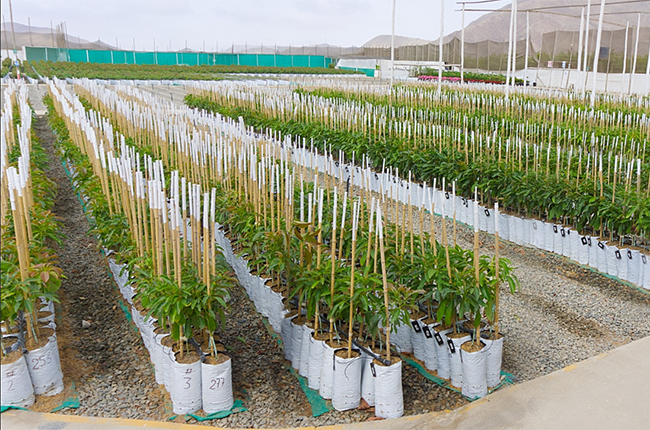
The executive was clear in that, before expanding into new markets, it is crucial to work with clients who have well-defined programs. “The opposite increases risks and affects results,” he adds.
The company projects moderate and sustainable growth for the coming years: between three and seven percent annually in avocado; between 10 and 15 percent in mango, and controlled development in blueberries.
Added value and a long-term vision
Westfalia is currently developing a business line focused on frozen products, mainly avocado and mango, aimed at clients in Europe, Asia, and the United States.
"We project that this unit will become the second commercial engine within a few years," Díaz said.
This new line aligns with the vision of realism and planning that Diaz sees for Westfalia Fruit Peru’s future.
“You have to plant according to demand, not the other way around. Agriculture is exciting, but it requires pragmatic decisions,” he said.
*Photographs courtesy of Westfalia Fruit Peru.
Related stories






Subscribe to our newsletter