






USDA-funded studies put prunes in the osteoporosis spotlight
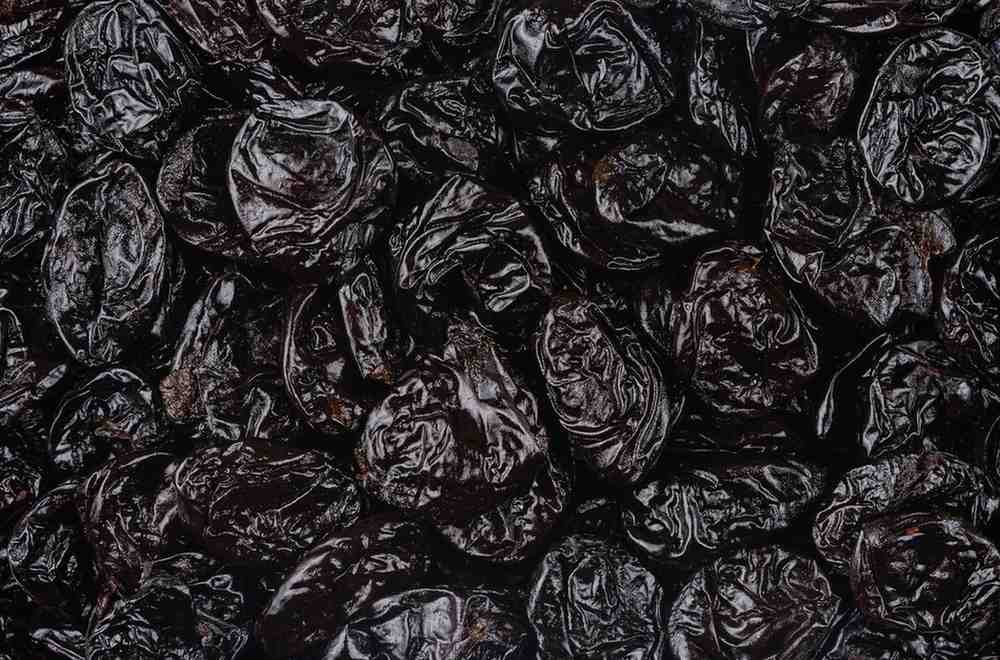

What if one of the produce aisle’s oldest staples could help address one of women’s most costly health risks? New research is putting prunes under scientific scrutiny to determine whether eating as little as one to two ounces daily can slow osteoporosis development during menopause.

The United States Department of Agriculture’s National Institute of Food and Agriculture (USDA NIFA) and the California Prune Board are leading large clinical trials at Penn State and San Diego State universities to evaluate the impact of prune consumption on bone density and strength in women during the mid-life hormonal transition.
“This is the time when women are losing bone most rapidly,” says Mary Jane De Souza, main investigator at Penn State. “If we can show that a simple food like prunes can help slow that loss, it could change how we prevent osteoporosis.”
The research is funded through USDA NIFA’s Commodity Board Co-funding Topics program, part of the Agriculture and Food Research Initiative’s Foundational and Applied Sciences grants. Created under the 2014 Farm Bill, the program allows commodity boards to co-invest in federally supported research.
Targeting menopause-related osteoporosis
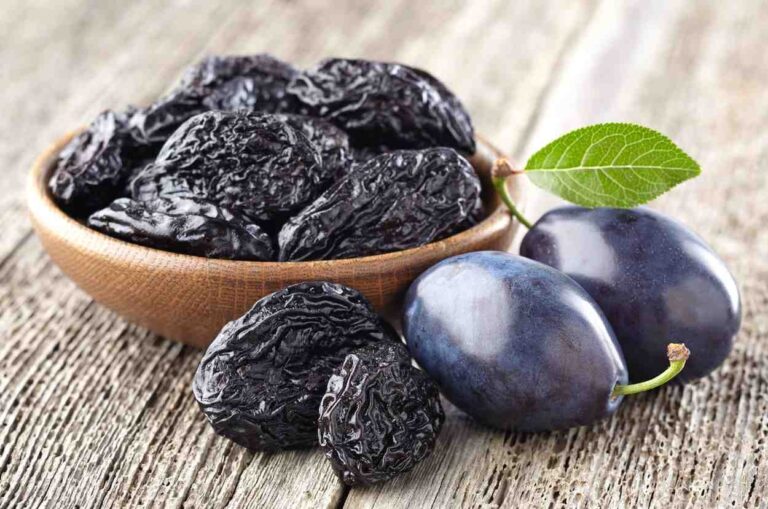
De Souza’s research centers on a three-year window around a woman’s final menstrual period. Bone loss at the hip and spine can reach six to seven percent during this period. Her team will study how a daily intake of about 1.8 ounces of prunes affects bone density, strength, inflammation, and gut health over 18 months.
At San Diego State University, Shirin Hooshmand is leading a separate long-term trial focused on women in late perimenopause. That study will also test whether a smaller, more practical daily intake of about 1.1 ounces provides comparable bone health benefits.
Earlier research led by Hooshmand beginning in the mid-2000s found that a daily intake of about 3.5 ounces of prunes preserved bone in postmenopausal women. Subsequent studies showed similar effects on bone density in men aged 50 and older, and that about 1.8 ounces per day prevented bone loss in postmenopausal women while improving bone density in younger women using hormonal contraceptives.
“Prunes are nutrient-rich, shelf-stable, affordable, and safe to eat every day,” Hooshmand explains. “We believe they could be a powerful tool to help women maintain strong bones through midlife.”
A high-cost disease with growing impact
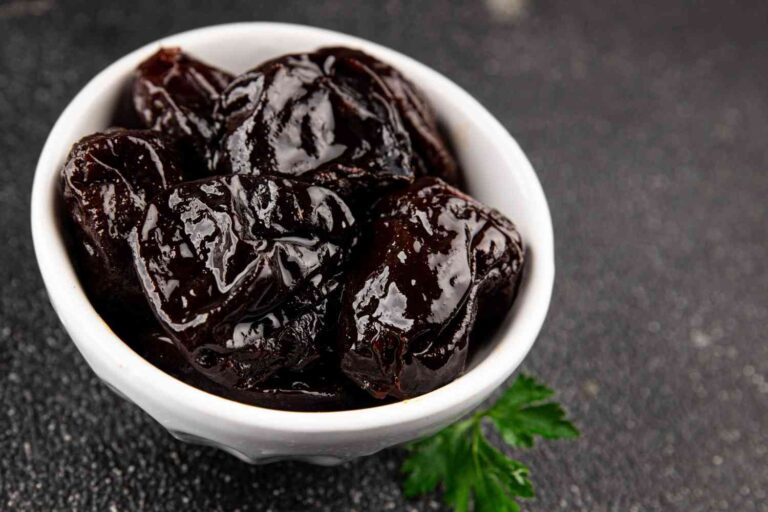
Osteoporosis affects about 10 million Americans, with an additional 44 million estimated to have low bone density, according to the Bone Health and Osteoporosis Foundation. The condition contributes to more than two million fractures annually, particularly among women over age 50.
The foundation estimates that one in two women and up to one in four men will experience an osteoporosis-related fracture during their lifetime. Osteoporosis-related fractures cost the US healthcare system about $19 billion each year, with costs projected to rise to $25.3 billion by 2025.
“Preventing just one hip fracture can save tens of thousands of dollars in medical costs,” De Souza says. “If prunes prove effective, the return on investment for public health will be massive.”
The Penn State study will run through 2029, while the San Diego State trial is scheduled to conclude in 2030. Both studies will track changes in bone density, inflammation, and gut health, with Hooshmand’s research also evaluating calcium metabolism.
“Women want non-medication options for osteoporosis prevention,” Hooshmand stressed. “We’re excited to continue to test one that’s as simple as eating a few prunes a day.”
Grower-backed science
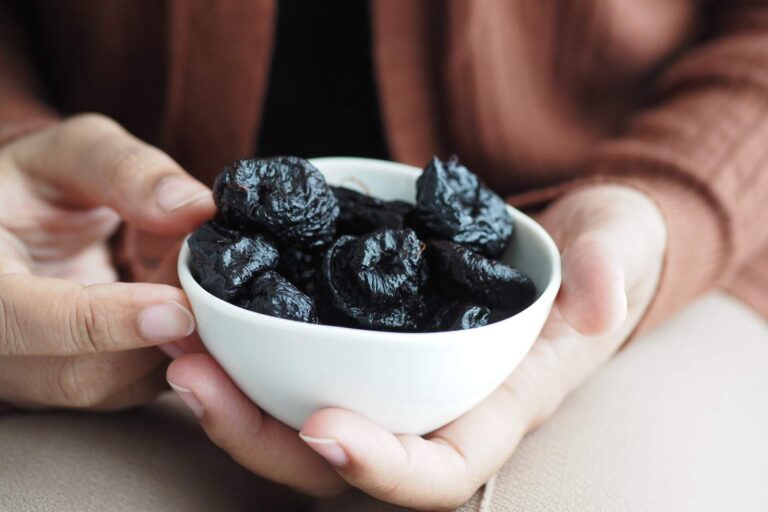
The California Prune Board submitted prune consumption and bone health as a research topic for the fiscal year 2024 AFRI funding cycle. Following peer review, both university proposals received funding.
“We’ve long believed in the potential of prunes to support healthy aging, and we’re proud to partner on research that puts real science behind that promise,” said Donn Zea, executive director of the California Prune Board. “These studies could be game-changers, not just for our growers, but for millions of women seeking simple ways to protect their health.”
The US prune crop is valued at roughly $173 million annually and is grown on more than 40,000 acres. California accounts for virtually all domestic production and remains the world’s leading supplier of premium prunes.
Related stories
Prunes may support cardiovascular health
Dried, not tired: Smaller California prune crop sparks big growth strategies








Subscribe to our newsletter