
Fresh Inset gets green light: Vidre+ ready for US rollout
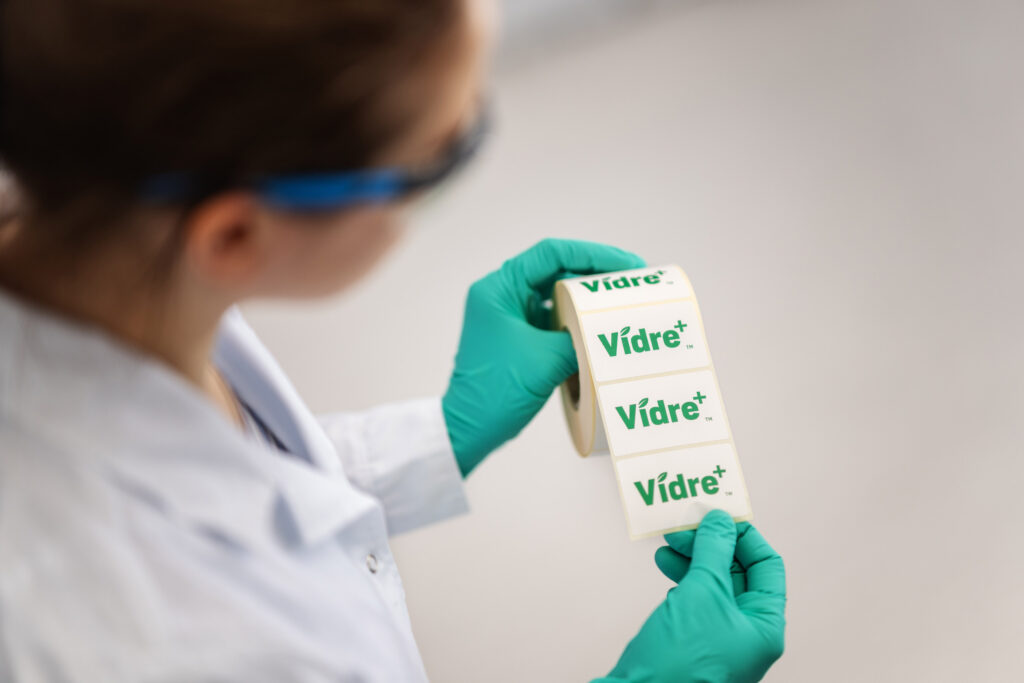

As the United States' produce industry looks for ways to stretch shelf life without pouring capital into new infrastructure, Polish firm Fresh Inset says its Vidre+ active packaging technology is ready to step in.

The company just cleared the path for wide commercial use across 60 produce categories, gearing the ethylene-management solution for immediate deployment in the US market.
Vidre+ uses 1-MCP, a well-known active ingredient that slows ripening and preserves quality. What makes the solution unique is the controlled, gradual release of the component, which happens within the packaging post-harvest.
Krzysztof Czaplick, Fresh Inset Chief Science Officer, tells FreshFruitPortal.com that the technology received a no-objection letter from the Food and Drug Administration (FDA) confirming Vidre+’s Generally Recognized as Safe (GRAS) status for use in food-contact packaging.
He emphasizes that GRAS status functions as a formal safety determination rather than a registration requirement.
“It supports broad, fully compliant commercial adoption without the need for additional regulatory approvals,” he adds. “Supported by this strong and well-established regulatory position, Vidre+ is commercially available in the US and can be implemented at scale across multiple produce categories and packaging formats, enabling widespread deployment in the US market.”
No room? No problem
Fresh Inset designed Vidre+ to integrate into existing postharvest operations with minimal disruption. That is, without sealed rooms, new cold-storage facilities, or capital investment, Czaplicki explains.
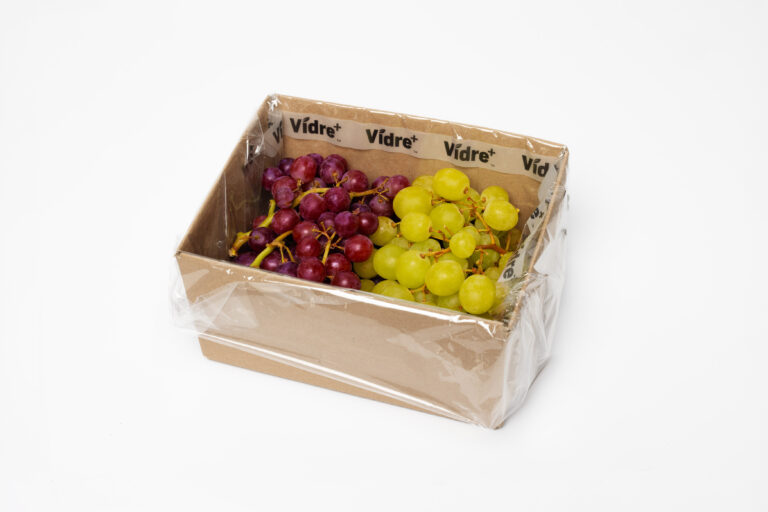
“In practice, implementation comes down to choosing the right format—either a sticker or packaging-integrated option—based on pack size, commodity, and transit duration,” he says.
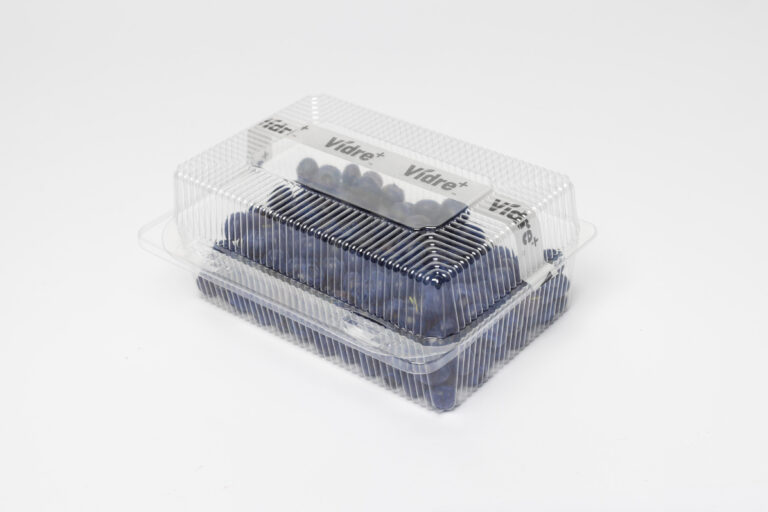
Producers and distributors can apply the technology during packing, consolidation, or repacking while maintaining standard cold-chain practices.
“This gives US packers and logistics teams operational flexibility without forcing process redesign or capital investment,” he says.
From the lab to the produce aisle
Fresh Inset has conducted Vidre+ trials across a wide range of fruits, vegetables, and flowers globally and continues to expand that dataset, Czaplicki assures.
“Published results show strong performance in crops such as spinach, raspberries, limes, avocados, pears, apples, tomatoes, berries, grapes, and many more,” he adds.
Additional US trials on pears and other priority commodities are ongoing or planned with commercial partners to validate results under domestic handling and distribution conditions.
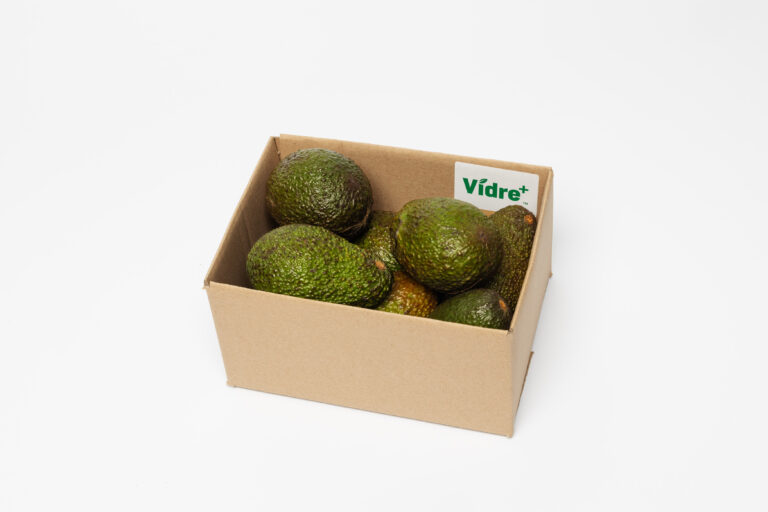
According to the company, early adopters see returns driven by “reduced shrinkage, improved quality, and better sell-through.” Czaplicki says this translates into positive numbers, with average returns on investment at the 5-to-1 ratio.
As active packaging remains new to many retailers and consumers, Fresh Inset says it works with US retailers, brand owners, and packaging partners to align on communication and compliance.
“We provide a dedicated communication and regulatory information pack for all stakeholders explaining how the technology works, its safety profile, and its role in reducing food waste,” Czaplicki says.
The company also engages the industry through trade shows, trials, and trade media, with consumer messaging focused on freshness, waste reduction, and food safety compliance without changing taste, handling, or infrastructure.
Related stories
Sunkist brings on the cheer with new holiday-themed packaging for its navel oranges
Ag-tech innovator BioPollen expands liquid pollination system across the Americas



Subscribe to our newsletter